



Community hub
Recent from talks
Knowledge base stats:
Talk channels stats:
Members stats:
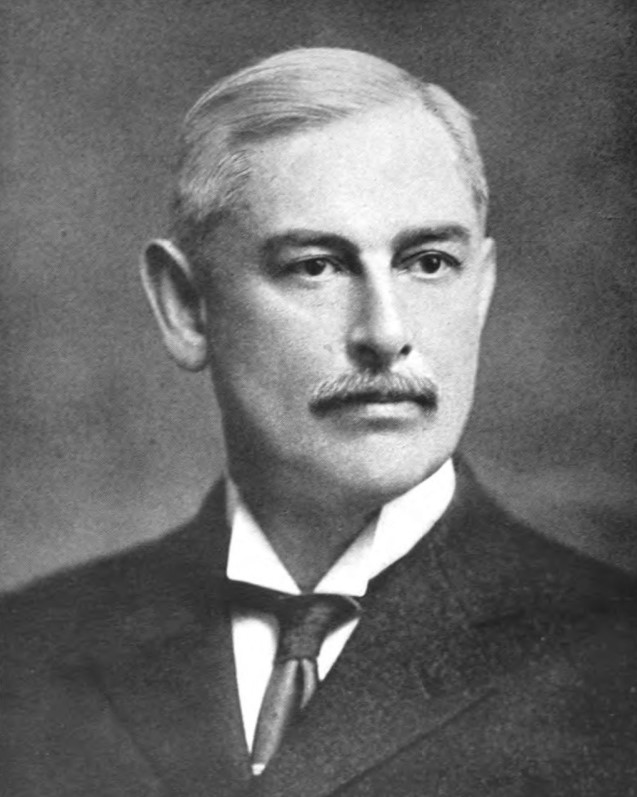
Eppa Hunton Jr.
Eppa Hunton III (April 14, 1855 – March 5, 1932), known as Eppa Hunton Jr., was an American lawyer, railroad executive, and politician. The son of Confederate general Eppa Hunton, he experienced a turbulent childhood with the American Civil War and Reconstruction as its backdrop. After graduating from the University of Virginia School of Law, he practiced law with his father in Warrenton, Virginia, for a number of years before moving south to Richmond in 1901 to help found the law firm Munford, Hunton, Williams & Anderson (later Hunton Andrews Kurth).
He served as president of the Virginia State Bar Association from 1915 to 1916, and, in 1920, he resigned from his firm to accept the presidency of the Richmond, Fredericksburg and Potomac Railroad, a position he held until his death in 1932. Like his father, he was active in politics, winning election to a term in the Virginia House of Delegates and as a delegate to the Virginia Constitutional Convention of 1901–02. He also served on the boards of visitors of the University of Virginia and Medical College of Virginia.
Hunton was born on April 14, 1855, in Brentsville, Virginia, the second child and only son of the former Lucy Caroline Weir (1825–1899) and Eppa Hunton II (1822–1908), who had been serving since 1849 as Prince William County's commonwealth's attorney. The elder Hunton, a slaveholder, was a presidential elector in 1860 for Southern Democrat John C. Breckinridge. The following year, he was elected as a pro-secession delegate to the Virginia Secession Convention, and, at the outbreak of the American Civil War, he was commissioned colonel of the Confederate States Army's 8th Virginia Infantry Regiment.
In March 1862, the Confederate Army evacuated northern Virginia to fight the Peninsula campaign. With Union soldiers about to reach Brentsville on their way to Richmond, Hunton and his family fled their estate early one morning, leaving behind most of their possessions and all but a few enslaved workers. Ill at the time, his mother had to be moved on a featherbed. Days later, advancing troops looted and burned the home. Hunton spent much of the next few years in Lynchburg, occasionally traveling to the front to stay with his father, who by 1863 had been promoted to brigadier general. After his father was captured in 1865, he relocated to Culpeper County, where he and his mother stayed at the home of his aunt.
After the war, Hunton and his family moved to Warrenton, Virginia, where he attended private boarding schools. His father won election to the United States House of Representatives in 1872. Hunton was sent away to attend the Bellevue High School in Bedford County, followed by the University of Virginia School of Law, where he joined the Delta Kappa Epsilon fraternity and studied under John B. Minor. He graduated with a Bachelor of Laws in 1877. Mere months earlier, congressional leaders agreed that the Electoral Commission (on which Hunton's father was the sole Southern member) would be allowed certify the election of Republican Rutherford B. Hayes to the presidency, in exchange for the withdrawal of the last federal troops from the South, ending the Reconstruction era.
Hunton married Minerva Winston "Erva" Payne, the eldest daughter of General William H. F. Payne, at St. James' Episcopal Church in Warrenton on November 18, 1884. The couple then took a train north for their honeymoon. Erva suffered from poor health, and, despite Hunton's efforts over the succeeding years to get her medical help, she died on October 9, 1897. Pallbearers at her funeral included Charles Minor Blackford, Henry Halleck, Fitzhugh Lee, Robert E. Lee Jr. and Joseph E. Willard. No children were borne from the marriage.
On April 24, 1901, Hunton married Virginia Semmes Payne, a younger sister of Erva, at St. James' Church in a wedding attended by many of the state's social and political elites. R. Walton Moore was his best man. A reception followed at the home of the bride's parents, after which the couple honeymooned in Atlantic City, New Jersey. They went on to have two children: a daughter, Mary Winter Hunton, who died shortly after her birth in 1902, and a son, Eppa Hunton IV, who was born in 1904.
Hunton was admitted to the Virginia bar upon his graduation from law school in 1877. He practiced law with his father in Warrenton under the name Hunton & Son for the next 25 years, living at Brentmoor with his parents for most of this period. During his first few years as an attorney, Hunton worked to rebuild the practice his father had neglected after his election to Congress. Shortly after his father retired from Congress in 1881, the two concluded that there was not enough work in the area for the both of them and that the younger Hunton would continue to work in Warrenton while the elder Hunton would open up an office in Washington, D.C.
Hub AI
Eppa Hunton Jr. AI simulator
(@Eppa Hunton Jr._simulator)
Eppa Hunton Jr.
Eppa Hunton III (April 14, 1855 – March 5, 1932), known as Eppa Hunton Jr., was an American lawyer, railroad executive, and politician. The son of Confederate general Eppa Hunton, he experienced a turbulent childhood with the American Civil War and Reconstruction as its backdrop. After graduating from the University of Virginia School of Law, he practiced law with his father in Warrenton, Virginia, for a number of years before moving south to Richmond in 1901 to help found the law firm Munford, Hunton, Williams & Anderson (later Hunton Andrews Kurth).
He served as president of the Virginia State Bar Association from 1915 to 1916, and, in 1920, he resigned from his firm to accept the presidency of the Richmond, Fredericksburg and Potomac Railroad, a position he held until his death in 1932. Like his father, he was active in politics, winning election to a term in the Virginia House of Delegates and as a delegate to the Virginia Constitutional Convention of 1901–02. He also served on the boards of visitors of the University of Virginia and Medical College of Virginia.
Hunton was born on April 14, 1855, in Brentsville, Virginia, the second child and only son of the former Lucy Caroline Weir (1825–1899) and Eppa Hunton II (1822–1908), who had been serving since 1849 as Prince William County's commonwealth's attorney. The elder Hunton, a slaveholder, was a presidential elector in 1860 for Southern Democrat John C. Breckinridge. The following year, he was elected as a pro-secession delegate to the Virginia Secession Convention, and, at the outbreak of the American Civil War, he was commissioned colonel of the Confederate States Army's 8th Virginia Infantry Regiment.
In March 1862, the Confederate Army evacuated northern Virginia to fight the Peninsula campaign. With Union soldiers about to reach Brentsville on their way to Richmond, Hunton and his family fled their estate early one morning, leaving behind most of their possessions and all but a few enslaved workers. Ill at the time, his mother had to be moved on a featherbed. Days later, advancing troops looted and burned the home. Hunton spent much of the next few years in Lynchburg, occasionally traveling to the front to stay with his father, who by 1863 had been promoted to brigadier general. After his father was captured in 1865, he relocated to Culpeper County, where he and his mother stayed at the home of his aunt.
After the war, Hunton and his family moved to Warrenton, Virginia, where he attended private boarding schools. His father won election to the United States House of Representatives in 1872. Hunton was sent away to attend the Bellevue High School in Bedford County, followed by the University of Virginia School of Law, where he joined the Delta Kappa Epsilon fraternity and studied under John B. Minor. He graduated with a Bachelor of Laws in 1877. Mere months earlier, congressional leaders agreed that the Electoral Commission (on which Hunton's father was the sole Southern member) would be allowed certify the election of Republican Rutherford B. Hayes to the presidency, in exchange for the withdrawal of the last federal troops from the South, ending the Reconstruction era.
Hunton married Minerva Winston "Erva" Payne, the eldest daughter of General William H. F. Payne, at St. James' Episcopal Church in Warrenton on November 18, 1884. The couple then took a train north for their honeymoon. Erva suffered from poor health, and, despite Hunton's efforts over the succeeding years to get her medical help, she died on October 9, 1897. Pallbearers at her funeral included Charles Minor Blackford, Henry Halleck, Fitzhugh Lee, Robert E. Lee Jr. and Joseph E. Willard. No children were borne from the marriage.
On April 24, 1901, Hunton married Virginia Semmes Payne, a younger sister of Erva, at St. James' Church in a wedding attended by many of the state's social and political elites. R. Walton Moore was his best man. A reception followed at the home of the bride's parents, after which the couple honeymooned in Atlantic City, New Jersey. They went on to have two children: a daughter, Mary Winter Hunton, who died shortly after her birth in 1902, and a son, Eppa Hunton IV, who was born in 1904.
Hunton was admitted to the Virginia bar upon his graduation from law school in 1877. He practiced law with his father in Warrenton under the name Hunton & Son for the next 25 years, living at Brentmoor with his parents for most of this period. During his first few years as an attorney, Hunton worked to rebuild the practice his father had neglected after his election to Congress. Shortly after his father retired from Congress in 1881, the two concluded that there was not enough work in the area for the both of them and that the younger Hunton would continue to work in Warrenton while the elder Hunton would open up an office in Washington, D.C.