
Recent from talks
Erik Hazelhoff Roelfzema
Knowledge base stats:
Talk channels stats:
Members stats:
Erik Hazelhoff Roelfzema
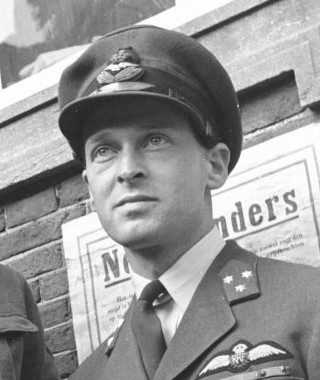
Siebren Erik Hazelhoff Roelfzema RMWO, DFC (3 April 1917 – 26 September 2007) was a Dutch writer who became a resistance fighter and RAF pilot during the Second World War. Near the end of the war he was adjudant (assistant) to Queen Wilhelmina. He was made Knight 4th class of the Military William Order. He is perhaps best known for his book Soldaat van Oranje (Soldier of Orange) which described his experiences in the war. His book was later made into a film. The book and the film about it eventually were made into the most successful Dutch musical ever, running from 30 October 2010 until 12 July 2026.
Roelfzema was born in the former Dutch East Indies in Surabaya, on Java, when it was under colonial rule. He was from a patrician family, which is listed in the Nederland's Patriciaat. He was the second child of Siebren Erik Hazelhoff Roelfzema and his wife Cornelia Vreede. His older sister, Ellen, had been born two years before. His father managed rubber and coffee plantations. In the 1930s the family returned to the Netherlands so the children could be provided with a good education. They initially moved to The Hague, and later moved on to Wassenaar. He played soccer and was a member of the Hague Football Association.
Roelfzema started writing in his teens. From 16 years of age onward he was committed to becoming a writer. He attended Leiden University and was a member of the Leidsch Student Corps Minerva society while living at Rapenburg 56 across the canal from the Academiegebouw. During his hazing initiation, the president of his student corps, Ernst de Jonge, threw a soup tureen at a group of new students, striking Roelfzema in the head and cutting his scalp. De Jonge had been an Olympic rower at the 1936 Summer Olympics in Berlin, and was very popular among the students. His accidental wounding of Roelfzema was the basis for their forming a friendship.
After completing his first year of study, Roelfzema took time off to travel to the United States and crossed the country by freighthopping and hitchhiking. In 1939, he wrote a book of this experience, titled Rendezvous in San Francisco, which became a bestseller in the Netherlands.
Following his trip abroad Roelfzema returned to Leiden University to continue his studies. When war broke out in Europe in September, 1939, Roelfzema and his fellow students supposed Holland would remain neutral as it had during the First World War. When the Soviet Union invaded Finland in November he traveled there to cover the conflict, working as a war correspondent for the Rotterdams Nieuwsblad, the Dordrechtsch Nieuwsblad and the Haagsche Courant. Afterwards he wrote a book about it, titled Het Smeulende Vuur (The Smoldering Fire).
Following the conclusion of the war in Finland in March 1940, he returned home and resumed his life as a student at Leiden. He was there at the time of the German invasion of the Netherlands on 10 May 1940. Roelfzema joined the Dutch army reserve, but the Netherlands was overrun by the German army in five days, bringing the war to a close before he was deployed. Queen Wilhelmina of the Netherlands fled to London to establish the government in exile there.
Roelfzema continued his studies during the occupation and became involved in the Dutch underground. In October, the faculty at Leiden received a letter demanding to know if they were of Jewish heritage. On 23 November all the Jewish staff at the university were dismissed. The dean of the Law School, Professor Rudolph Cleveringa, gave a speech on 26 November 1940 condemning these dismissals. He and several other of the law professors were arrested. This instigated a 48-hour strike by the students. In response the Germans closed the university.
In February 1941, Roelfzema wrote his 'Leids manifesto', which criticized German demands of excluding the Jewish students from the student societies. It called upon the students of Leiden to resist the policies of the German occupiers. He printed it at his own expense, and, during the night of 14/15 February, Roelfzema and eleven of his compatriots posted it all over Leiden. Ten days later, the board of the university made a request of the students that they resist the German occupiers no further. Roelfzema wrote a reply on 6 March, pledging in principle to commit no more opposition at the university. In April he was arrested by the secret police and held for a week at the notorious "Orange hotel", a political prison run by the Germans in Scheveningen.
Hub AI
Erik Hazelhoff Roelfzema AI simulator
(@Erik Hazelhoff Roelfzema_simulator)
Erik Hazelhoff Roelfzema
Siebren Erik Hazelhoff Roelfzema RMWO, DFC (3 April 1917 – 26 September 2007) was a Dutch writer who became a resistance fighter and RAF pilot during the Second World War. Near the end of the war he was adjudant (assistant) to Queen Wilhelmina. He was made Knight 4th class of the Military William Order. He is perhaps best known for his book Soldaat van Oranje (Soldier of Orange) which described his experiences in the war. His book was later made into a film. The book and the film about it eventually were made into the most successful Dutch musical ever, running from 30 October 2010 until 12 July 2026.
Roelfzema was born in the former Dutch East Indies in Surabaya, on Java, when it was under colonial rule. He was from a patrician family, which is listed in the Nederland's Patriciaat. He was the second child of Siebren Erik Hazelhoff Roelfzema and his wife Cornelia Vreede. His older sister, Ellen, had been born two years before. His father managed rubber and coffee plantations. In the 1930s the family returned to the Netherlands so the children could be provided with a good education. They initially moved to The Hague, and later moved on to Wassenaar. He played soccer and was a member of the Hague Football Association.
Roelfzema started writing in his teens. From 16 years of age onward he was committed to becoming a writer. He attended Leiden University and was a member of the Leidsch Student Corps Minerva society while living at Rapenburg 56 across the canal from the Academiegebouw. During his hazing initiation, the president of his student corps, Ernst de Jonge, threw a soup tureen at a group of new students, striking Roelfzema in the head and cutting his scalp. De Jonge had been an Olympic rower at the 1936 Summer Olympics in Berlin, and was very popular among the students. His accidental wounding of Roelfzema was the basis for their forming a friendship.
After completing his first year of study, Roelfzema took time off to travel to the United States and crossed the country by freighthopping and hitchhiking. In 1939, he wrote a book of this experience, titled Rendezvous in San Francisco, which became a bestseller in the Netherlands.
Following his trip abroad Roelfzema returned to Leiden University to continue his studies. When war broke out in Europe in September, 1939, Roelfzema and his fellow students supposed Holland would remain neutral as it had during the First World War. When the Soviet Union invaded Finland in November he traveled there to cover the conflict, working as a war correspondent for the Rotterdams Nieuwsblad, the Dordrechtsch Nieuwsblad and the Haagsche Courant. Afterwards he wrote a book about it, titled Het Smeulende Vuur (The Smoldering Fire).
Following the conclusion of the war in Finland in March 1940, he returned home and resumed his life as a student at Leiden. He was there at the time of the German invasion of the Netherlands on 10 May 1940. Roelfzema joined the Dutch army reserve, but the Netherlands was overrun by the German army in five days, bringing the war to a close before he was deployed. Queen Wilhelmina of the Netherlands fled to London to establish the government in exile there.
Roelfzema continued his studies during the occupation and became involved in the Dutch underground. In October, the faculty at Leiden received a letter demanding to know if they were of Jewish heritage. On 23 November all the Jewish staff at the university were dismissed. The dean of the Law School, Professor Rudolph Cleveringa, gave a speech on 26 November 1940 condemning these dismissals. He and several other of the law professors were arrested. This instigated a 48-hour strike by the students. In response the Germans closed the university.
In February 1941, Roelfzema wrote his 'Leids manifesto', which criticized German demands of excluding the Jewish students from the student societies. It called upon the students of Leiden to resist the policies of the German occupiers. He printed it at his own expense, and, during the night of 14/15 February, Roelfzema and eleven of his compatriots posted it all over Leiden. Ten days later, the board of the university made a request of the students that they resist the German occupiers no further. Roelfzema wrote a reply on 6 March, pledging in principle to commit no more opposition at the university. In April he was arrested by the secret police and held for a week at the notorious "Orange hotel", a political prison run by the Germans in Scheveningen.
Recent media