
Recent from talks
Dehiscence (botany)
Knowledge base stats:
Talk channels stats:
Members stats:
Dehiscence (botany)
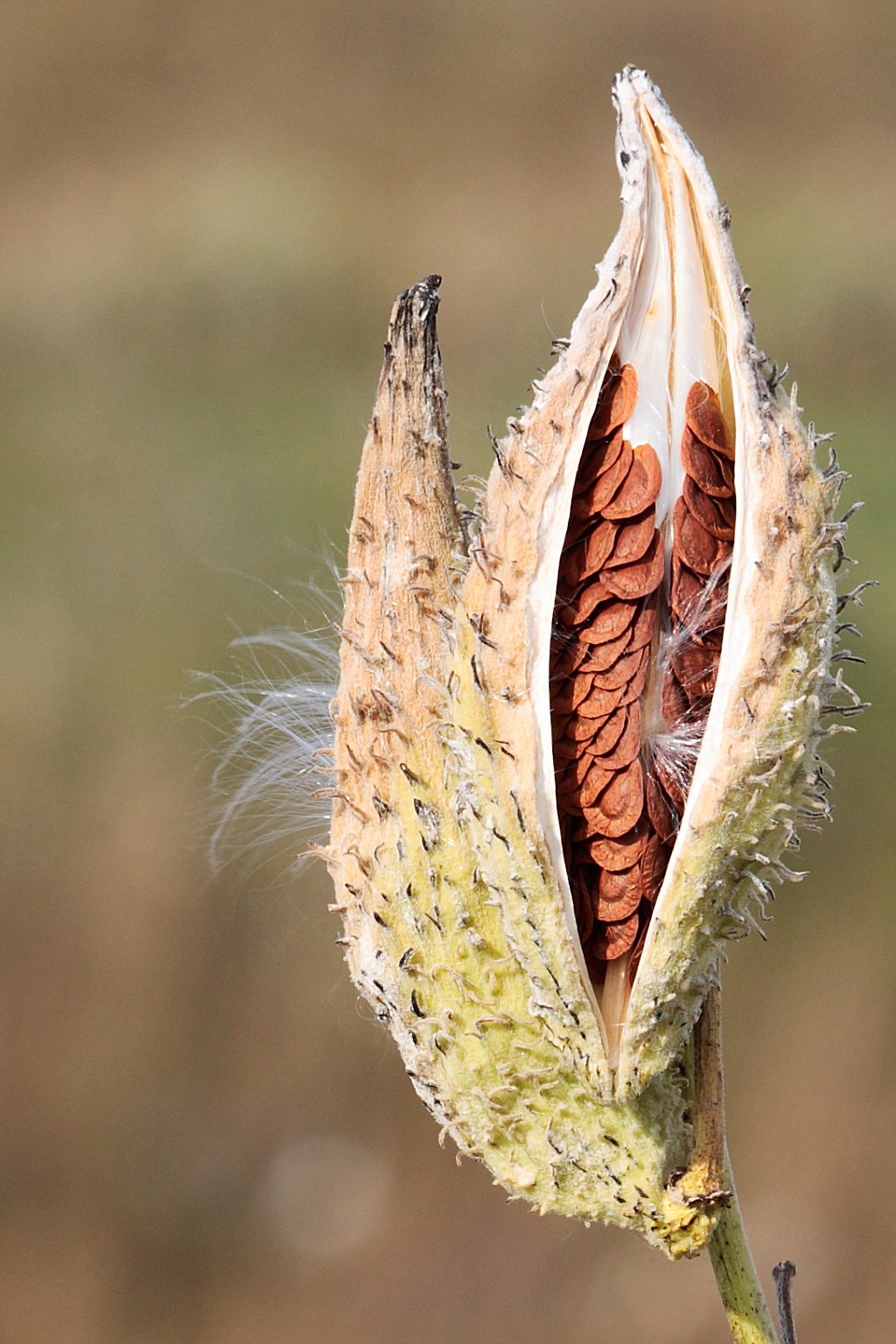
Dehiscence is the splitting of a mature plant structure along a built-in line of weakness to release its contents. This is common among fruits, anthers and sporangia. Sometimes this involves the complete detachment of a part. Structures that open in this way are said to be dehiscent. Structures that do not open in this way are called indehiscent, and rely on other mechanisms such as decay, digestion by herbivores, or predation to release the contents.
A similar process to dehiscence occurs in some flower buds (e.g., Platycodon, Fuchsia), but this is rarely referred to as dehiscence unless circumscissile dehiscence is involved; anthesis is the usual term for the opening of flowers. Dehiscence may or may not involve the loss of a structure through the process of abscission. The lost structures are said to be caducous.
Manipulation of dehiscence can improve crop yield since a trait that causes seed dispersal is a disadvantage for farmers, whose goal is to collect the seed. Many agronomically important plants have been bred for reduced shattering.
Explosive dehiscence is a ballistic form of dispersal that flings seeds or spores far from the parent plant. This rapid plant movement can achieve limited dispersal without the assistance of animals. A notable example is the sandbox tree (Hura crepitans), which can fling seeds 100 meters (300 ft) and has been called the "boomer plant" due to the loud sound it generates. Another example is Impatiens, whose explosive dehiscence is triggered by being touched, leading it to be called the "touch-me-not". Ecballium elaterium, the "squirting cucumber", uses explosive dehiscence to disperse its seeds, ejecting them from matured fruit in a stream of mucilaginous liquid. Explosive dehiscence of sporangia is a characteristic of Sphagnum.
In loculicidal dehiscence, the locule wall splits between the septa, leaving the latter intact, while in septicidal dehiscence the split is at the septum that separates the loculi. Septicidal and loculicidal dehiscence may not be completely distinct; in some cases both the septa and the walls of the locules split.
Dehiscence occurs through breakage of various parts of the enclosing structure; the mechanisms can be classified in various ways, but intermediate forms also occur.
Dehiscence through a small hole (pore) is referred to as poricidal dehiscence. The pore may have a cover (operculate poricidal dehiscence or operculate dehiscence) that is referred to as an operculum or it may not (inoperculate poricidal dehiscence or inoperculate dehiscence).
Poricidal dehiscence occurs in many unrelated organisms, in fruit, causing the release of seeds, and also in the sporangia of many organisms (flowering plants, ferns, fungi, slime molds). Poricidal anthers of various flowers are associated with buzz pollination by insects.
Hub AI
Dehiscence (botany) AI simulator
(@Dehiscence (botany)_simulator)
Dehiscence (botany)
Dehiscence is the splitting of a mature plant structure along a built-in line of weakness to release its contents. This is common among fruits, anthers and sporangia. Sometimes this involves the complete detachment of a part. Structures that open in this way are said to be dehiscent. Structures that do not open in this way are called indehiscent, and rely on other mechanisms such as decay, digestion by herbivores, or predation to release the contents.
A similar process to dehiscence occurs in some flower buds (e.g., Platycodon, Fuchsia), but this is rarely referred to as dehiscence unless circumscissile dehiscence is involved; anthesis is the usual term for the opening of flowers. Dehiscence may or may not involve the loss of a structure through the process of abscission. The lost structures are said to be caducous.
Manipulation of dehiscence can improve crop yield since a trait that causes seed dispersal is a disadvantage for farmers, whose goal is to collect the seed. Many agronomically important plants have been bred for reduced shattering.
Explosive dehiscence is a ballistic form of dispersal that flings seeds or spores far from the parent plant. This rapid plant movement can achieve limited dispersal without the assistance of animals. A notable example is the sandbox tree (Hura crepitans), which can fling seeds 100 meters (300 ft) and has been called the "boomer plant" due to the loud sound it generates. Another example is Impatiens, whose explosive dehiscence is triggered by being touched, leading it to be called the "touch-me-not". Ecballium elaterium, the "squirting cucumber", uses explosive dehiscence to disperse its seeds, ejecting them from matured fruit in a stream of mucilaginous liquid. Explosive dehiscence of sporangia is a characteristic of Sphagnum.
In loculicidal dehiscence, the locule wall splits between the septa, leaving the latter intact, while in septicidal dehiscence the split is at the septum that separates the loculi. Septicidal and loculicidal dehiscence may not be completely distinct; in some cases both the septa and the walls of the locules split.
Dehiscence occurs through breakage of various parts of the enclosing structure; the mechanisms can be classified in various ways, but intermediate forms also occur.
Dehiscence through a small hole (pore) is referred to as poricidal dehiscence. The pore may have a cover (operculate poricidal dehiscence or operculate dehiscence) that is referred to as an operculum or it may not (inoperculate poricidal dehiscence or inoperculate dehiscence).
Poricidal dehiscence occurs in many unrelated organisms, in fruit, causing the release of seeds, and also in the sporangia of many organisms (flowering plants, ferns, fungi, slime molds). Poricidal anthers of various flowers are associated with buzz pollination by insects.
Recent media