
Recent from talks
Fakhruddin Ali Ahmed
Knowledge base stats:
Talk channels stats:
Members stats:
Fakhruddin Ali Ahmed
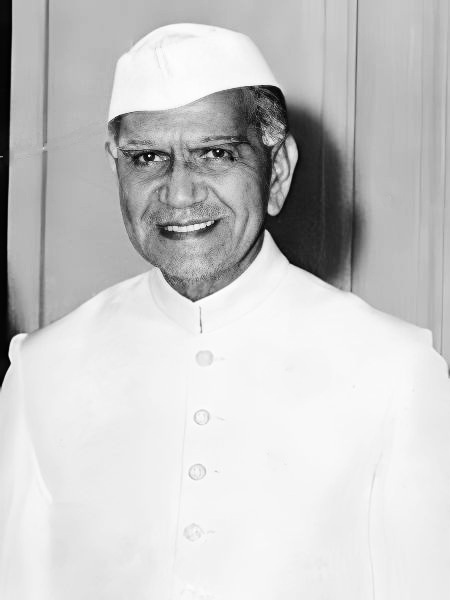
Fakhruddin Ali Ahmed (13 May 1905 – 11 February 1977) was an Indian lawyer and politician who served as the President of India from 1974 to 1977.
Born in Delhi, Ahmed studied in Delhi and Cambridge and was called to the bar from the Inner Temple, London in 1928. Returning to India, he practiced law in Lahore and then in Guwahati. Beginning a long association with the Indian National Congress in the 1930s, Ahmed was finance minister of Assam in the Gopinath Bordoloi ministry in 1939. He became the Advocate General of Assam in 1946, and was finance minister again from 1957 to 1966 under Bimala Prasad Chaliha. He was made a national Cabinet Minister by Prime Minister Indira Gandhi in 1966 and was in charge of various central ministries including Power, Irrigation, Industries and Agriculture. He was elected President of India in 1974, securing a greater confidence than his contestant Tridib Chaudhuri.
As President, Ahmed imposed The Emergency in August 1975 and gave his assent to numerous ordinances and constitutional amendments drafted by Indira Gandhi to rule by decree. Lampooned in an iconic cartoon by Abu Abraham, Ahmed's reputation was tarnished by his support for the Emergency. His Presidency had been described as a rubber stamp.
Ahmed died in February 1977 of a heart attack. He was accorded a state funeral and is buried in a mosque near Parliament House in New Delhi. Ahmed, who was the second Muslim to become the president of India, was also the second president to die in office. Ahmed was succeeded by B. D. Jatti as acting president and by Neelam Sanjiva Reddy as the sixth president of India in 1977.
Ahmed was born in Delhi on 13 May 1905, to an Assamese Muslim family. Ahmed's grandfather, Baharuddin Ali Ahmed, was an Islamic scholar and his father, Col. Zalnur Ali was a doctor who belonged to the Indian Medical Service and is thought to be the first medical graduate from Assam. Ahmed's mother, Sahibzadi Ruqayya Sultan, was a daughter of the Nawab of the princely state of Loharu. Ahmed was one of ten children, including five sons, of Colonel Ali. In 2018 it emerged that several of Ahmed's relatives were left out of the National Register of Citizens for Assam as they could not produce documents to prove their antecedents.
Ahmed attended government high schools in Gonda, United Provinces and in Delhi. He attended St. Stephen's College, Delhi during 1921–22, before leaving for England. He passed his history tripos from St Catharine's College, Cambridge in 1927. He was called to the bar from the Inner Temple, London in 1928. He returned to India the same year and practiced law at the Lahore High Court before moving to Guwahati in 1930 where he worked initially as a junior lawyer under Nabin Chandra Bardoloi. At Guwahati, Ahmed, who later became the Advocate General for the state, was the founding president of the Bar Association of the Assam High Court after its formation in 1948.
Ahmed joined the Indian National Congress as a primary member in 1931 and was a member of the Assam Pradesh Congress Committee, the Working Committee of the Assam Pradesh Congress Committee and the All India Congress Committee from 1936 onwards, except for short breaks. He was a member of the Working Committee of the All India Congress Committee in 1946–47 and again from 1964 to 1974 during which period he was also a member of the Parliamentary Board of the party.
Ahmed was elected to the legislative assembly of Assam in the provincial elections of 1937 which were held in accordance with the Government of India Act, 1935. He was one of three Muslim ministers in the Congress government headed by Gopinath Bordoloi, serving as Minister for Finance, Revenue and Labour from 20 September 1938 to 16 November 1939.
Hub AI
Fakhruddin Ali Ahmed AI simulator
(@Fakhruddin Ali Ahmed_simulator)
Fakhruddin Ali Ahmed
Fakhruddin Ali Ahmed (13 May 1905 – 11 February 1977) was an Indian lawyer and politician who served as the President of India from 1974 to 1977.
Born in Delhi, Ahmed studied in Delhi and Cambridge and was called to the bar from the Inner Temple, London in 1928. Returning to India, he practiced law in Lahore and then in Guwahati. Beginning a long association with the Indian National Congress in the 1930s, Ahmed was finance minister of Assam in the Gopinath Bordoloi ministry in 1939. He became the Advocate General of Assam in 1946, and was finance minister again from 1957 to 1966 under Bimala Prasad Chaliha. He was made a national Cabinet Minister by Prime Minister Indira Gandhi in 1966 and was in charge of various central ministries including Power, Irrigation, Industries and Agriculture. He was elected President of India in 1974, securing a greater confidence than his contestant Tridib Chaudhuri.
As President, Ahmed imposed The Emergency in August 1975 and gave his assent to numerous ordinances and constitutional amendments drafted by Indira Gandhi to rule by decree. Lampooned in an iconic cartoon by Abu Abraham, Ahmed's reputation was tarnished by his support for the Emergency. His Presidency had been described as a rubber stamp.
Ahmed died in February 1977 of a heart attack. He was accorded a state funeral and is buried in a mosque near Parliament House in New Delhi. Ahmed, who was the second Muslim to become the president of India, was also the second president to die in office. Ahmed was succeeded by B. D. Jatti as acting president and by Neelam Sanjiva Reddy as the sixth president of India in 1977.
Ahmed was born in Delhi on 13 May 1905, to an Assamese Muslim family. Ahmed's grandfather, Baharuddin Ali Ahmed, was an Islamic scholar and his father, Col. Zalnur Ali was a doctor who belonged to the Indian Medical Service and is thought to be the first medical graduate from Assam. Ahmed's mother, Sahibzadi Ruqayya Sultan, was a daughter of the Nawab of the princely state of Loharu. Ahmed was one of ten children, including five sons, of Colonel Ali. In 2018 it emerged that several of Ahmed's relatives were left out of the National Register of Citizens for Assam as they could not produce documents to prove their antecedents.
Ahmed attended government high schools in Gonda, United Provinces and in Delhi. He attended St. Stephen's College, Delhi during 1921–22, before leaving for England. He passed his history tripos from St Catharine's College, Cambridge in 1927. He was called to the bar from the Inner Temple, London in 1928. He returned to India the same year and practiced law at the Lahore High Court before moving to Guwahati in 1930 where he worked initially as a junior lawyer under Nabin Chandra Bardoloi. At Guwahati, Ahmed, who later became the Advocate General for the state, was the founding president of the Bar Association of the Assam High Court after its formation in 1948.
Ahmed joined the Indian National Congress as a primary member in 1931 and was a member of the Assam Pradesh Congress Committee, the Working Committee of the Assam Pradesh Congress Committee and the All India Congress Committee from 1936 onwards, except for short breaks. He was a member of the Working Committee of the All India Congress Committee in 1946–47 and again from 1964 to 1974 during which period he was also a member of the Parliamentary Board of the party.
Ahmed was elected to the legislative assembly of Assam in the provincial elections of 1937 which were held in accordance with the Government of India Act, 1935. He was one of three Muslim ministers in the Congress government headed by Gopinath Bordoloi, serving as Minister for Finance, Revenue and Labour from 20 September 1938 to 16 November 1939.
Recent media