



Community hub
Recent from talks
Contribute something to knowledge base
Content stats: 0 posts, 0 articles, 1 media, 0 notes
Members stats: 0 subscribers, 0 contributors, 0 moderators, 0 supporters
Subscribers
Supporters
Contributors
Moderators
Hub AI
Islam in Assam AI simulator
(@Islam in Assam_simulator)
Hub AI
Islam in Assam AI simulator
(@Islam in Assam_simulator)
Islam in Assam
Islam is the second largest and fastest-growing religion in Assam. The Muslim population was approximately 10.68 million, constituting over 34.22% of the total population of the state as of the 2011 census, giving Assam, the second-largest Muslim percentage in the country after Jammu and Kashmir (state). After Jammu and Kashmir became Union Territory, Assam became the state with largest Muslim percentage in the country. Islam reached the region in the 13th century and Muslims are a majority in almost eleven districts of Assam and highly concentrated in four districts.
In 2021, estimations have predicted that the Muslim population in the state has reached 40%, numbering 14 million, out of total population of 35 million. Assam Government recognises five groups of indigenous Assamese Muslims were recognised, namely Goria, Moria, Deshi (Koch community), Juluha (Tea Tribals) and Syed other Muslims include various groups, such as Bengali Muslims, Afghani Muslims, Bihari Muslims, Hindustani Musalman and Manipuri Muslims. Some of these groups are affiliated and representatives of multiparty wahabi movements influenced like Nadwatul Ulama, Jamiat Ulema-e-Hind, Tablighi Jamaat and other related parties, while others are non-denominational Muslims.
One of the most important factors contributing to the arrival and spread of Islam in Assam in the pre-colonial times was repeated invasions by Muslim rulers and generals. Though none of these invasions succeeded in establishing a rule it created a small but thriving Muslim population, aided by local rulers. Later Ahom kings encouraged a small Muslim immigration and even introduced Islamic prayers in court. In the colonial and post-colonial period, the Muslim population exploded in Assam primarily due to immigration.
One of the first conversions in Assam to Islam was Ali Mech, a Mech chieftain. A Delhi Sultanate general Muhammad bin Bakhtiyar Khalji appeared on the borders of Assam in 1206 and converted Ali Mech who guided him on his expedition to capture Tibet. Khalji had arrived with a force of 10–12,000 horsemen at the Kamrup region, but he was defeated at the Chumbi Valley and was forced to retreat back to Bengal with his army annihilated, where he died in the same year. This expedition resulted in Assam's first Muslim population.
The first immigrant settlement occurred in the middle of the 13th century when Malik Ikhtiyaruddin Yuzbak in 1257 occupied some regions of Assam briefly. He introduced khutbah and Friday services. However he was soon defeated by Sandhya, the Rai of Kamarupa, who captured and executed him. In circa 1360, the Sultan of Bengal Sikandar Shah raided the Kamata kingdom and heavily weakened King Indranarayan's authority. However, Sikandar was forced to retreat to Bengal, in order to suppress the invasion of Firuz Shah Tughlaq of Delhi.
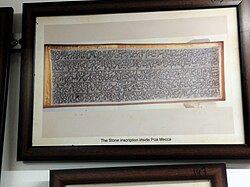
In 1498, Sultan Alauddin Husain Shah dispatched military general Shah Ismail Ghazi with 24,000 soldiers and a flotilla to conquer Kamata. The conquest was instigated by Sachipatra, a Brahmin whose son was executed by Nilambar for his promiscuity with the queen. Successfully imprisoning King Nilambar of the Khen dynasty, the Bengal Sultanate began issuing coins bearing the Sultan as the "Conqueror of Kamru and Kamta" and publicly inscribed the victory at a stone in Malda. The Sultan appointed his son, Prince Daniyal, as the governor of the newly conquered region; that reached up to Hajo and intended to expand to Central Assam. Ghiasuddin Aulia was a Sufi from Baghdad who arrived after the conquest of Kamata kingdom by Alauddin Husain Shah. He established a khanqah atop the Garurachala Hills in Hajo. Claiming to have brought a lump of soil from Makkah with him, the building came to be known as the Barmaqam Powa-Makkah. Ghiyathuddin died and a mazar (mausoleum) was built there.
A Baro-Bhuyan confederation led by Gandharva Rai's descendant Harup Narayan was successful in removing the Sultanate influence, but the Baro-Bhuyans themselves were removed by Vishwa Singha who established the Koch dynasty in 1515. The Sultanate rule lasted for about 15 years.
In 1613, the Mughal emperor Jahangir appointed Muhammad Zaman Karori of Tehran as the Amil of Sylhet. Zaman took part in Islam Khan I's Assam expedition and was instrumental to the capture of Koch Hajo. The Mughals also ruled Goalpara (as a part of their Bengal Subah), but could not subdue the other parts of Assam. The Mughals established four sarkars in the newly acquired land---among which were Dhekeri (between Sankosh and Manas) and Kamrup (between Manas and Barnadi). Kamrup was also renamed as Shujabad, after Shah Shuja, the Subahdar of Bengal.
Islam in Assam
Islam is the second largest and fastest-growing religion in Assam. The Muslim population was approximately 10.68 million, constituting over 34.22% of the total population of the state as of the 2011 census, giving Assam, the second-largest Muslim percentage in the country after Jammu and Kashmir (state). After Jammu and Kashmir became Union Territory, Assam became the state with largest Muslim percentage in the country. Islam reached the region in the 13th century and Muslims are a majority in almost eleven districts of Assam and highly concentrated in four districts.
In 2021, estimations have predicted that the Muslim population in the state has reached 40%, numbering 14 million, out of total population of 35 million. Assam Government recognises five groups of indigenous Assamese Muslims were recognised, namely Goria, Moria, Deshi (Koch community), Juluha (Tea Tribals) and Syed other Muslims include various groups, such as Bengali Muslims, Afghani Muslims, Bihari Muslims, Hindustani Musalman and Manipuri Muslims. Some of these groups are affiliated and representatives of multiparty wahabi movements influenced like Nadwatul Ulama, Jamiat Ulema-e-Hind, Tablighi Jamaat and other related parties, while others are non-denominational Muslims.
One of the most important factors contributing to the arrival and spread of Islam in Assam in the pre-colonial times was repeated invasions by Muslim rulers and generals. Though none of these invasions succeeded in establishing a rule it created a small but thriving Muslim population, aided by local rulers. Later Ahom kings encouraged a small Muslim immigration and even introduced Islamic prayers in court. In the colonial and post-colonial period, the Muslim population exploded in Assam primarily due to immigration.
One of the first conversions in Assam to Islam was Ali Mech, a Mech chieftain. A Delhi Sultanate general Muhammad bin Bakhtiyar Khalji appeared on the borders of Assam in 1206 and converted Ali Mech who guided him on his expedition to capture Tibet. Khalji had arrived with a force of 10–12,000 horsemen at the Kamrup region, but he was defeated at the Chumbi Valley and was forced to retreat back to Bengal with his army annihilated, where he died in the same year. This expedition resulted in Assam's first Muslim population.
The first immigrant settlement occurred in the middle of the 13th century when Malik Ikhtiyaruddin Yuzbak in 1257 occupied some regions of Assam briefly. He introduced khutbah and Friday services. However he was soon defeated by Sandhya, the Rai of Kamarupa, who captured and executed him. In circa 1360, the Sultan of Bengal Sikandar Shah raided the Kamata kingdom and heavily weakened King Indranarayan's authority. However, Sikandar was forced to retreat to Bengal, in order to suppress the invasion of Firuz Shah Tughlaq of Delhi.
In 1498, Sultan Alauddin Husain Shah dispatched military general Shah Ismail Ghazi with 24,000 soldiers and a flotilla to conquer Kamata. The conquest was instigated by Sachipatra, a Brahmin whose son was executed by Nilambar for his promiscuity with the queen. Successfully imprisoning King Nilambar of the Khen dynasty, the Bengal Sultanate began issuing coins bearing the Sultan as the "Conqueror of Kamru and Kamta" and publicly inscribed the victory at a stone in Malda. The Sultan appointed his son, Prince Daniyal, as the governor of the newly conquered region; that reached up to Hajo and intended to expand to Central Assam. Ghiasuddin Aulia was a Sufi from Baghdad who arrived after the conquest of Kamata kingdom by Alauddin Husain Shah. He established a khanqah atop the Garurachala Hills in Hajo. Claiming to have brought a lump of soil from Makkah with him, the building came to be known as the Barmaqam Powa-Makkah. Ghiyathuddin died and a mazar (mausoleum) was built there.
A Baro-Bhuyan confederation led by Gandharva Rai's descendant Harup Narayan was successful in removing the Sultanate influence, but the Baro-Bhuyans themselves were removed by Vishwa Singha who established the Koch dynasty in 1515. The Sultanate rule lasted for about 15 years.
In 1613, the Mughal emperor Jahangir appointed Muhammad Zaman Karori of Tehran as the Amil of Sylhet. Zaman took part in Islam Khan I's Assam expedition and was instrumental to the capture of Koch Hajo. The Mughals also ruled Goalpara (as a part of their Bengal Subah), but could not subdue the other parts of Assam. The Mughals established four sarkars in the newly acquired land---among which were Dhekeri (between Sankosh and Manas) and Kamrup (between Manas and Barnadi). Kamrup was also renamed as Shujabad, after Shah Shuja, the Subahdar of Bengal.
Recent media
Recent media