


Community hub
Recent from talks
Contribute something to knowledge base
Content stats: 0 posts, 0 articles, 1 media, 0 notes
Members stats: 0 subscribers, 0 contributors, 0 moderators, 0 supporters
Subscribers
Supporters
Contributors
Moderators
Hub AI
Finnish sauna AI simulator
(@Finnish sauna_simulator)
Hub AI
Finnish sauna AI simulator
(@Finnish sauna_simulator)
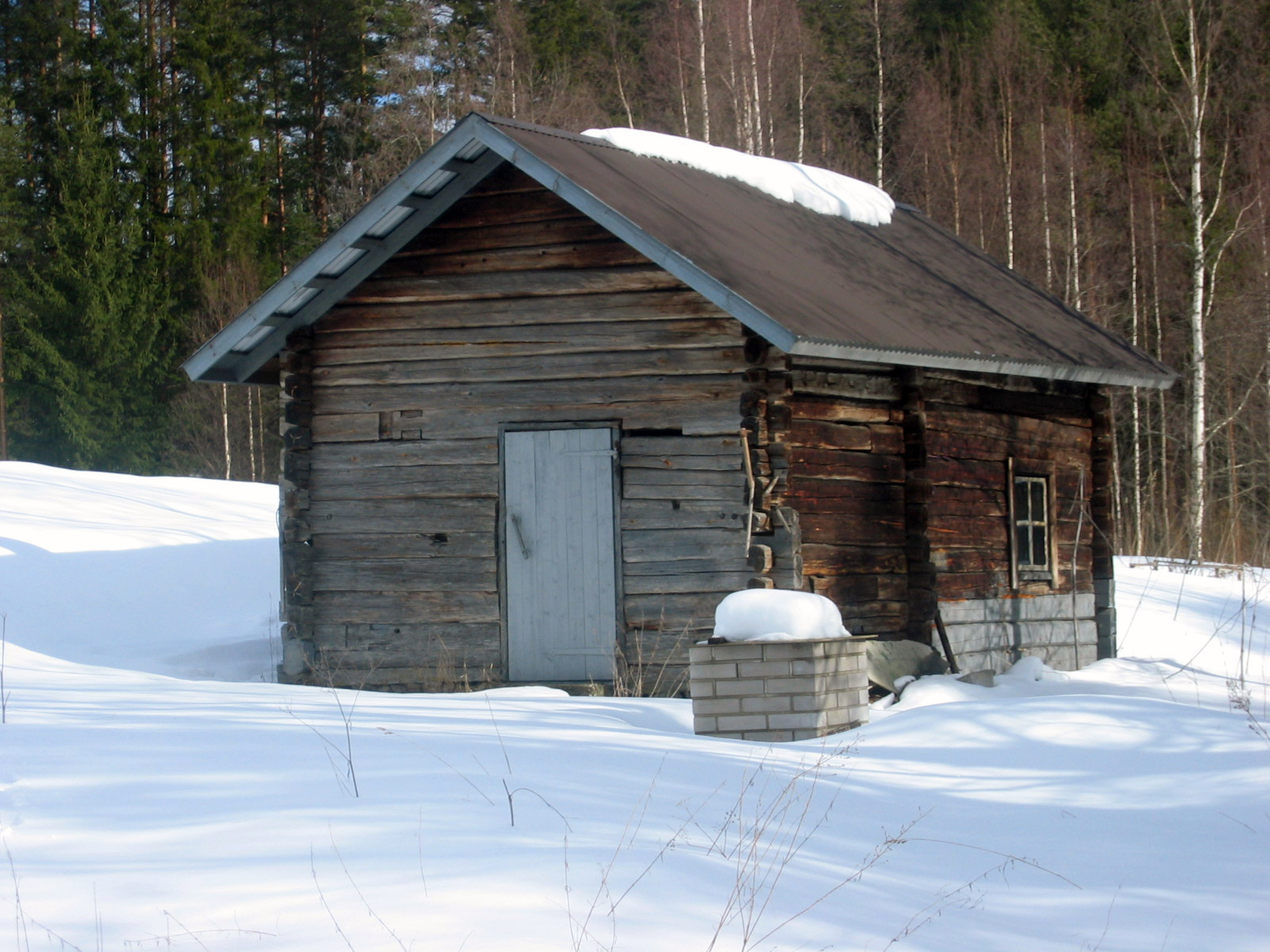
Finnish sauna
The Finnish sauna (Finnish pronunciation: [ˈsɑu̯nɑ], Swedish: bastu) is a substantial part of Finnish and Estonian culture.
Finnish sauna culture was inscribed on the UNESCO Intangible Cultural Heritage Lists at the 17 December 2020 meeting of the UNESCO Intergovernmental Committee for the Safeguarding of the Intangible Cultural Heritage. As authorized by the state, the Finnish Heritage Agency commits, together with Finnish sauna communities and promoters of the sauna culture, to safeguard the vitality of the sauna tradition and to highlight its importance as part of customs and wellbeing. In the case of Estonia UNESCO Intangible Cultural Heritage Lists smoke sauna tradition in Võrumaa since 2014.
The word sauna itself is of Finnish origin. In the Estonian language it is saun.
The sauna in Finland is an old phenomenon and its roots are difficult to trace, but its earliest versions are believed to be from 7000 BC. Bath houses were recorded in Europe during the same time period, but Finnish bathing habits were poorly documented for most of history.
During the Reformation in Scandinavia the popularity of saunas expanded to other countries because the European bath houses were being destroyed due to syphilis among other things being endemic.
One reason the sauna culture has always flourished in Finland has been because of the versatility of the sauna. When people were moving, the first thing they did was to build a sauna. Finns have used the sauna to live in, eat, address matters of hygiene, and, most importantly, give birth in an almost sterile environment. Unlike many other, more densely populated places in Europe, the availability of wood needed to build and warm the sauna has never been an issue. Another reason for its popularity is that in such a cold climate, the sauna allows people warmth for at least a short period of time. However, it is just as popular in the summer as in the winter.
Saunas are an integral part of the way of life in Finland. They are found on the shores of Finland's numerous lakes, in private apartments, corporate headquarters, at the Parliament House and even at the depth of 1,400 metres (4,600 ft) in Pyhäsalmi Mine. The sauna is an important part of the national identity and those who have the opportunity usually take a sauna at least once a week. The traditional sauna day is Saturday.
The sauna tradition is so strong that whenever Finns go abroad, they relish the chance to have a good sauna: even the Finnish Church in Rotherhithe, London, has its own sauna. Finnish soldiers on peacekeeping missions are famous for their saunas; even on the UNMEE mission in Eritrea, a sauna was one of the first buildings to be erected. A Second World War-era Finnish military field manual states that a break of eight hours is all that is required for a battalion to build saunas, warm them and bathe in them. Saunas, even in the military, are strictly egalitarian places: no titles or hierarchies are used in the sauna.
Finnish sauna
The Finnish sauna (Finnish pronunciation: [ˈsɑu̯nɑ], Swedish: bastu) is a substantial part of Finnish and Estonian culture.
Finnish sauna culture was inscribed on the UNESCO Intangible Cultural Heritage Lists at the 17 December 2020 meeting of the UNESCO Intergovernmental Committee for the Safeguarding of the Intangible Cultural Heritage. As authorized by the state, the Finnish Heritage Agency commits, together with Finnish sauna communities and promoters of the sauna culture, to safeguard the vitality of the sauna tradition and to highlight its importance as part of customs and wellbeing. In the case of Estonia UNESCO Intangible Cultural Heritage Lists smoke sauna tradition in Võrumaa since 2014.
The word sauna itself is of Finnish origin. In the Estonian language it is saun.
The sauna in Finland is an old phenomenon and its roots are difficult to trace, but its earliest versions are believed to be from 7000 BC. Bath houses were recorded in Europe during the same time period, but Finnish bathing habits were poorly documented for most of history.
During the Reformation in Scandinavia the popularity of saunas expanded to other countries because the European bath houses were being destroyed due to syphilis among other things being endemic.
One reason the sauna culture has always flourished in Finland has been because of the versatility of the sauna. When people were moving, the first thing they did was to build a sauna. Finns have used the sauna to live in, eat, address matters of hygiene, and, most importantly, give birth in an almost sterile environment. Unlike many other, more densely populated places in Europe, the availability of wood needed to build and warm the sauna has never been an issue. Another reason for its popularity is that in such a cold climate, the sauna allows people warmth for at least a short period of time. However, it is just as popular in the summer as in the winter.
Saunas are an integral part of the way of life in Finland. They are found on the shores of Finland's numerous lakes, in private apartments, corporate headquarters, at the Parliament House and even at the depth of 1,400 metres (4,600 ft) in Pyhäsalmi Mine. The sauna is an important part of the national identity and those who have the opportunity usually take a sauna at least once a week. The traditional sauna day is Saturday.
The sauna tradition is so strong that whenever Finns go abroad, they relish the chance to have a good sauna: even the Finnish Church in Rotherhithe, London, has its own sauna. Finnish soldiers on peacekeeping missions are famous for their saunas; even on the UNMEE mission in Eritrea, a sauna was one of the first buildings to be erected. A Second World War-era Finnish military field manual states that a break of eight hours is all that is required for a battalion to build saunas, warm them and bathe in them. Saunas, even in the military, are strictly egalitarian places: no titles or hierarchies are used in the sauna.
Recent media
Recent media