



Community hub
Recent from talks
Knowledge base stats:
Talk channels stats:
Members stats:
Flightless bird
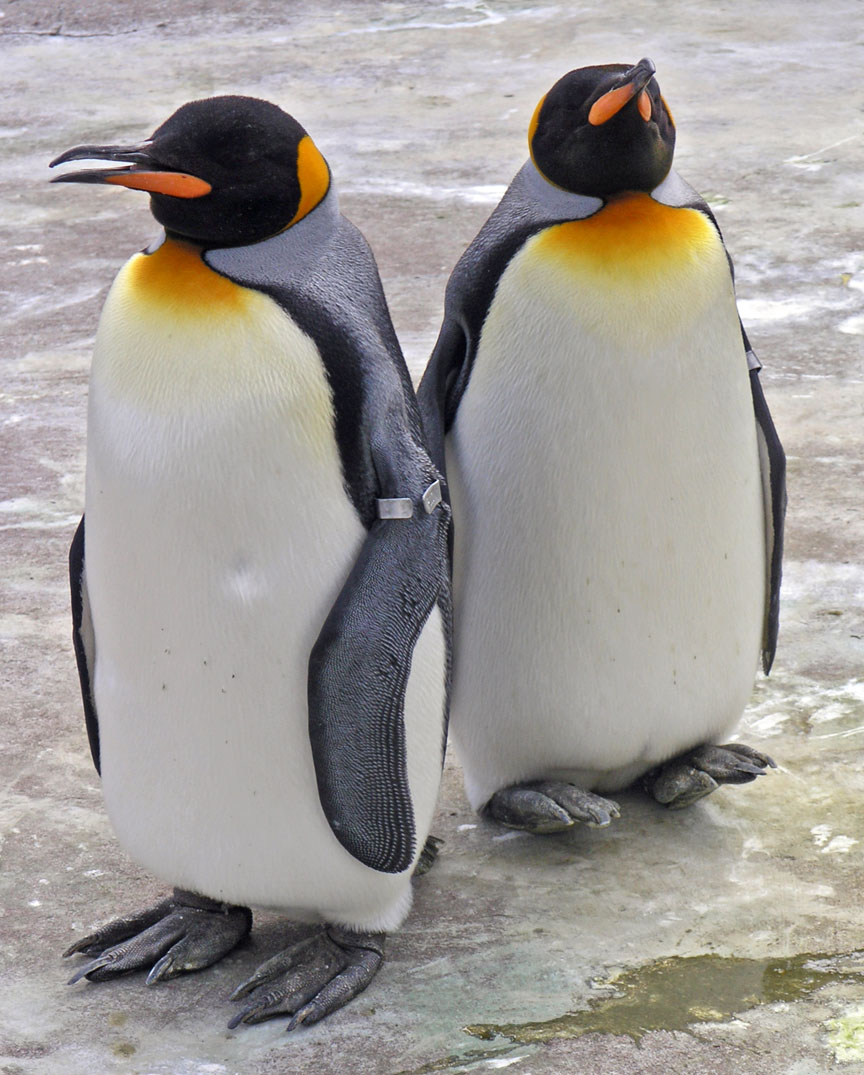
Flightless birds are birds that cannot fly, as they have, through evolution, lost the ability. There are over 60 extant species, including the well-known ratites (ostriches (Struthio), emus (Dromaius), cassowaries (Casuarius), rheas, and kiwis (Apteryx)) and penguins (Sphenisciformes). The smallest flightless bird is the Inaccessible Island rail (length 12.5 cm, weight 34.7 g). The largest (both heaviest and tallest) flightless bird, which is also the largest living bird in general, is the common ostrich (2.7 m, 156 kg).
Some domesticated birds, such as the domestic chicken, have lost the ability to fly for extended periods, although their ancestral species, the red junglefowl and others, respectively, are capable of extended flight. A few particularly bred birds, such as the Broad Breasted White turkey, have become totally flightless as a result of selective breeding; the birds were bred to grow massive breast meat that weighs too much for the bird's wings to support in flight.
Flightlessness has evolved in many different birds independently, demonstrating repeated convergent evolution. There were families of flightless birds, such as the now-extinct Phorusrhacidae, that evolved to be powerful terrestrial predators. Taking this to a greater extreme, the terror birds (and their relatives the bathornithids), eogruids, geranoidids, gastornithiforms, and dromornithids (all extinct) all evolved similar body shapes – long legs, long necks and big heads – but none of them were closely related. Furthermore, they also share traits with some of the ratites of being giant, flightless birds with vestigial wings, long legs, and long necks, although they are unrelated.
Divergences and losses of flight within ratite lineage occurred right after the K-Pg extinction event wiped out all non-avian dinosaurs and large vertebrates 66 million years ago. The immediate evacuation of niches following the mass extinction provided opportunities for Palaeognathes to distribute and occupy novel environments. New ecological influences selectively pressured different taxa to converge on flightless modes of existence by altering them morphologically and behaviorally. The successful acquisition and protection of a claimed territory selected for large size and cursoriality in Tertiary ancestors of ratites. Temperate rainforests dried out throughout the Miocene and transformed into semiarid deserts, causing habitats to be widely spread across the growingly disparate landmasses. Cursoriality was an economic means of traveling long distances to acquire food that was usually low-lying vegetation, more easily accessed by walking. Traces of these events are reflected in ratite distribution throughout semiarid grasslands and deserts today.
Gigantism and flightlessness in birds are almost exclusively correlated due to islands lacking mammalian or reptilian predators and competition. However, ratites occupy environments that are mostly occupied by a diverse number of mammals. It is thought that they first originated through allopatric speciation caused by breakup of the supercontinent Gondwana. However, later evidence suggests this hypothesis first proposed by Joel Cracraft in 1974 is incorrect. Rather ratites arrived in their respective locations via a flighted ancestor and lost the ability to fly multiple times within the lineage.
Gigantism is not a requirement for flightlessness. The kiwi do not exhibit gigantism, along with tinamous, even though they coexisted with the moa and rheas that both exhibit gigantism. This could be the result of different ancestral flighted birds arrival or because of competitive exclusion. The first flightless bird to arrive in each environment utilized the large flightless herbivore or omnivore niche, forcing the later arrivals to remain smaller. In environments where flightless birds are not present, it is possible that after the K/T Boundary there were no niches for them to fill. They were pushed out by other herbivorous mammals.
New Zealand had more species of flightless birds (including the kiwi, several species of penguins, the takahē, the weka, the moa, and several other extinct species) than any other such location. One reason is that until the arrival of humans roughly a thousand years ago, there were no large mammalian land predators in New Zealand; the main predators of flightless birds were larger birds.
Ratites belong to the superorder Palaeognathae, which include the volant tinamou, and are believed to have evolved flightlessness independently multiple times within their own group. Some birds evolved flightlessness in response to the absence of predators, for example on oceanic islands. Incongruences between ratite phylogeny and Gondwana geological history indicate the presence of ratites in their current locations is the result of a secondary invasion by flying birds. It remains possible that the most recent common ancestor of ratites was flightless and the tinamou regained the ability to fly. However, it is believed that the loss of flight is an easier transition for birds than the loss and regain of flight, which has never been documented in avian history. Moreover, tinamou nesting within flightless ratites indicates ancestral ratites were volant and multiple losses of flight occurred independently throughout the lineage. This indicates that the distinctive flightless nature of ratites is the result of convergent evolution.
Hub AI
Flightless bird AI simulator
(@Flightless bird_simulator)
Flightless bird
Flightless birds are birds that cannot fly, as they have, through evolution, lost the ability. There are over 60 extant species, including the well-known ratites (ostriches (Struthio), emus (Dromaius), cassowaries (Casuarius), rheas, and kiwis (Apteryx)) and penguins (Sphenisciformes). The smallest flightless bird is the Inaccessible Island rail (length 12.5 cm, weight 34.7 g). The largest (both heaviest and tallest) flightless bird, which is also the largest living bird in general, is the common ostrich (2.7 m, 156 kg).
Some domesticated birds, such as the domestic chicken, have lost the ability to fly for extended periods, although their ancestral species, the red junglefowl and others, respectively, are capable of extended flight. A few particularly bred birds, such as the Broad Breasted White turkey, have become totally flightless as a result of selective breeding; the birds were bred to grow massive breast meat that weighs too much for the bird's wings to support in flight.
Flightlessness has evolved in many different birds independently, demonstrating repeated convergent evolution. There were families of flightless birds, such as the now-extinct Phorusrhacidae, that evolved to be powerful terrestrial predators. Taking this to a greater extreme, the terror birds (and their relatives the bathornithids), eogruids, geranoidids, gastornithiforms, and dromornithids (all extinct) all evolved similar body shapes – long legs, long necks and big heads – but none of them were closely related. Furthermore, they also share traits with some of the ratites of being giant, flightless birds with vestigial wings, long legs, and long necks, although they are unrelated.
Divergences and losses of flight within ratite lineage occurred right after the K-Pg extinction event wiped out all non-avian dinosaurs and large vertebrates 66 million years ago. The immediate evacuation of niches following the mass extinction provided opportunities for Palaeognathes to distribute and occupy novel environments. New ecological influences selectively pressured different taxa to converge on flightless modes of existence by altering them morphologically and behaviorally. The successful acquisition and protection of a claimed territory selected for large size and cursoriality in Tertiary ancestors of ratites. Temperate rainforests dried out throughout the Miocene and transformed into semiarid deserts, causing habitats to be widely spread across the growingly disparate landmasses. Cursoriality was an economic means of traveling long distances to acquire food that was usually low-lying vegetation, more easily accessed by walking. Traces of these events are reflected in ratite distribution throughout semiarid grasslands and deserts today.
Gigantism and flightlessness in birds are almost exclusively correlated due to islands lacking mammalian or reptilian predators and competition. However, ratites occupy environments that are mostly occupied by a diverse number of mammals. It is thought that they first originated through allopatric speciation caused by breakup of the supercontinent Gondwana. However, later evidence suggests this hypothesis first proposed by Joel Cracraft in 1974 is incorrect. Rather ratites arrived in their respective locations via a flighted ancestor and lost the ability to fly multiple times within the lineage.
Gigantism is not a requirement for flightlessness. The kiwi do not exhibit gigantism, along with tinamous, even though they coexisted with the moa and rheas that both exhibit gigantism. This could be the result of different ancestral flighted birds arrival or because of competitive exclusion. The first flightless bird to arrive in each environment utilized the large flightless herbivore or omnivore niche, forcing the later arrivals to remain smaller. In environments where flightless birds are not present, it is possible that after the K/T Boundary there were no niches for them to fill. They were pushed out by other herbivorous mammals.
New Zealand had more species of flightless birds (including the kiwi, several species of penguins, the takahē, the weka, the moa, and several other extinct species) than any other such location. One reason is that until the arrival of humans roughly a thousand years ago, there were no large mammalian land predators in New Zealand; the main predators of flightless birds were larger birds.
Ratites belong to the superorder Palaeognathae, which include the volant tinamou, and are believed to have evolved flightlessness independently multiple times within their own group. Some birds evolved flightlessness in response to the absence of predators, for example on oceanic islands. Incongruences between ratite phylogeny and Gondwana geological history indicate the presence of ratites in their current locations is the result of a secondary invasion by flying birds. It remains possible that the most recent common ancestor of ratites was flightless and the tinamou regained the ability to fly. However, it is believed that the loss of flight is an easier transition for birds than the loss and regain of flight, which has never been documented in avian history. Moreover, tinamou nesting within flightless ratites indicates ancestral ratites were volant and multiple losses of flight occurred independently throughout the lineage. This indicates that the distinctive flightless nature of ratites is the result of convergent evolution.