



Community hub
Recent from talks
Contribute something to knowledge base
Content stats: 0 posts, 0 articles, 1 media, 0 notes
Members stats: 0 subscribers, 0 contributors, 0 moderators, 0 supporters
Subscribers
Supporters
Contributors
Moderators
Hub AI
Fred Allen AI simulator
(@Fred Allen_simulator)
Hub AI
Fred Allen AI simulator
(@Fred Allen_simulator)
Fred Allen
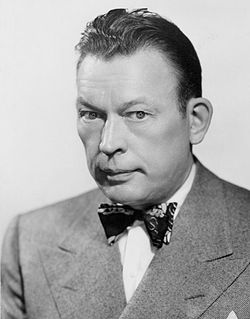
John Florence Sullivan (May 31, 1894 – March 17, 1956), known professionally as Fred Allen, was an American comedian. His absurdist topically-pointed radio program The Fred Allen Show (1932–1949) made him one of the most popular and forward-looking humorists in the Golden Age of American radio.
His best-remembered gag was his long-running mock feud with friend and fellow comedian Jack Benny, but that was only part of his appeal. Radio historian John Dunning wrote that Allen was perhaps radio's most admired comedian and most frequently censored. A master ad libber, Allen often tangled with his network's executives and often barbed them on the air over the battles while developing routines whose style and substance influenced fellow comic talents, including Groucho Marx, Stan Freberg, Henry Morgan, and Johnny Carson; his avowed fans also included President Franklin D. Roosevelt, humorist James Thurber, and novelists William Faulkner, John Steinbeck, and Herman Wouk, who began his career writing for Allen.
Allen was honored with stars on the Hollywood Walk of Fame for contributions to television and radio.
John Florence Sullivan was born in Cambridge, Massachusetts, to Irish Catholic parents. Allen barely knew his mother, Cecilia (née Herlihy) Sullivan, who died of pneumonia when he was not quite three years old. Along with his father, James Henry Sullivan, and his infant brother Robert, Allen was taken in by one of his mother's sisters, "my aunt Lizzie", around whom he focused the first chapter of his second memoir, Much Ado About Me. His father was so shattered by his mother's death that according to Allen, he drank more heavily. His aunt suffered as well; her husband, Michael, was partially paralyzed by lead poisoning shortly after they married, which left him mostly unable to work; Allen remembered that as causing contention among Lizzie's sisters. Eventually, Allen's father remarried and offered his sons the choice between coming with him and his new wife or staying with Aunt Lizzie. Allen's younger brother chose to go with their father, but Allen decided to stay with his aunt. "I never regretted it," he wrote.
Allen was a Catholic and regularly attended Mass at St. Malachy's Church in Manhattan.
Allen took piano lessons as a boy, his father having brought an Emerson upright along when they moved in with his aunt. He learned exactly two songs, "Hiawatha" and "Pitter, Patter, Little Raindrops," and would be asked to play "half or all my repertoire" when visitors came to the house. He also worked at the Boston Public Library, where he discovered a book about the origin and the development of comedy. Enduring various upheavals at home (other aunts came and went, which prompted several moves), Allen also took up juggling while he learned as much as possible about comedy.
Some library co-workers planned to put on a show and asked him to do a bit of juggling and some of his comedy. When a girl in the crowd told him, "You're crazy to keep working here at the library; you ought to go on stage," Allen decided that his career path was set.
In 1914, at the age of 20, Allen took a job with a local piano company, in addition to his library work. He appeared at a number of amateur night competitions, soon took the stage name Fred St. James, and booked with the local vaudeville circuit at $30 a week (equal to $942 today), enough at the time to allow him to quit his jobs with the library and the piano company. Eventually, he became "Freddy James" and often billed himself as the world's worst juggler. Allen refined the mix of his deliberately-clumsy juggling and the standard jokes and one-liners. He directed much of the humor at his own poor juggling abilities. During his time in vaudeville, his act evolved more toward monologic comedy and less juggling. In 1917, returning to the New York circuit, his stage name was changed to Fred Allen so that he would not be offered the same low salary that theater owners had been accustomed to paying him in his early career. His new surname came from Edgar Allen, a booker for the Fox theaters.
Fred Allen
John Florence Sullivan (May 31, 1894 – March 17, 1956), known professionally as Fred Allen, was an American comedian. His absurdist topically-pointed radio program The Fred Allen Show (1932–1949) made him one of the most popular and forward-looking humorists in the Golden Age of American radio.
His best-remembered gag was his long-running mock feud with friend and fellow comedian Jack Benny, but that was only part of his appeal. Radio historian John Dunning wrote that Allen was perhaps radio's most admired comedian and most frequently censored. A master ad libber, Allen often tangled with his network's executives and often barbed them on the air over the battles while developing routines whose style and substance influenced fellow comic talents, including Groucho Marx, Stan Freberg, Henry Morgan, and Johnny Carson; his avowed fans also included President Franklin D. Roosevelt, humorist James Thurber, and novelists William Faulkner, John Steinbeck, and Herman Wouk, who began his career writing for Allen.
Allen was honored with stars on the Hollywood Walk of Fame for contributions to television and radio.
John Florence Sullivan was born in Cambridge, Massachusetts, to Irish Catholic parents. Allen barely knew his mother, Cecilia (née Herlihy) Sullivan, who died of pneumonia when he was not quite three years old. Along with his father, James Henry Sullivan, and his infant brother Robert, Allen was taken in by one of his mother's sisters, "my aunt Lizzie", around whom he focused the first chapter of his second memoir, Much Ado About Me. His father was so shattered by his mother's death that according to Allen, he drank more heavily. His aunt suffered as well; her husband, Michael, was partially paralyzed by lead poisoning shortly after they married, which left him mostly unable to work; Allen remembered that as causing contention among Lizzie's sisters. Eventually, Allen's father remarried and offered his sons the choice between coming with him and his new wife or staying with Aunt Lizzie. Allen's younger brother chose to go with their father, but Allen decided to stay with his aunt. "I never regretted it," he wrote.
Allen was a Catholic and regularly attended Mass at St. Malachy's Church in Manhattan.
Allen took piano lessons as a boy, his father having brought an Emerson upright along when they moved in with his aunt. He learned exactly two songs, "Hiawatha" and "Pitter, Patter, Little Raindrops," and would be asked to play "half or all my repertoire" when visitors came to the house. He also worked at the Boston Public Library, where he discovered a book about the origin and the development of comedy. Enduring various upheavals at home (other aunts came and went, which prompted several moves), Allen also took up juggling while he learned as much as possible about comedy.
Some library co-workers planned to put on a show and asked him to do a bit of juggling and some of his comedy. When a girl in the crowd told him, "You're crazy to keep working here at the library; you ought to go on stage," Allen decided that his career path was set.
In 1914, at the age of 20, Allen took a job with a local piano company, in addition to his library work. He appeared at a number of amateur night competitions, soon took the stage name Fred St. James, and booked with the local vaudeville circuit at $30 a week (equal to $942 today), enough at the time to allow him to quit his jobs with the library and the piano company. Eventually, he became "Freddy James" and often billed himself as the world's worst juggler. Allen refined the mix of his deliberately-clumsy juggling and the standard jokes and one-liners. He directed much of the humor at his own poor juggling abilities. During his time in vaudeville, his act evolved more toward monologic comedy and less juggling. In 1917, returning to the New York circuit, his stage name was changed to Fred Allen so that he would not be offered the same low salary that theater owners had been accustomed to paying him in his early career. His new surname came from Edgar Allen, a booker for the Fox theaters.
Recent media
Recent media