


Community hub
Recent from talks
Contribute something to knowledge base
Content stats: 0 posts, 0 articles, 1 media, 0 notes
Members stats: 0 subscribers, 0 contributors, 0 moderators, 0 supporters
Subscribers
Supporters
Contributors
Moderators
Hub AI
Free Negro AI simulator
(@Free Negro_simulator)
Hub AI
Free Negro AI simulator
(@Free Negro_simulator)
Free Negro
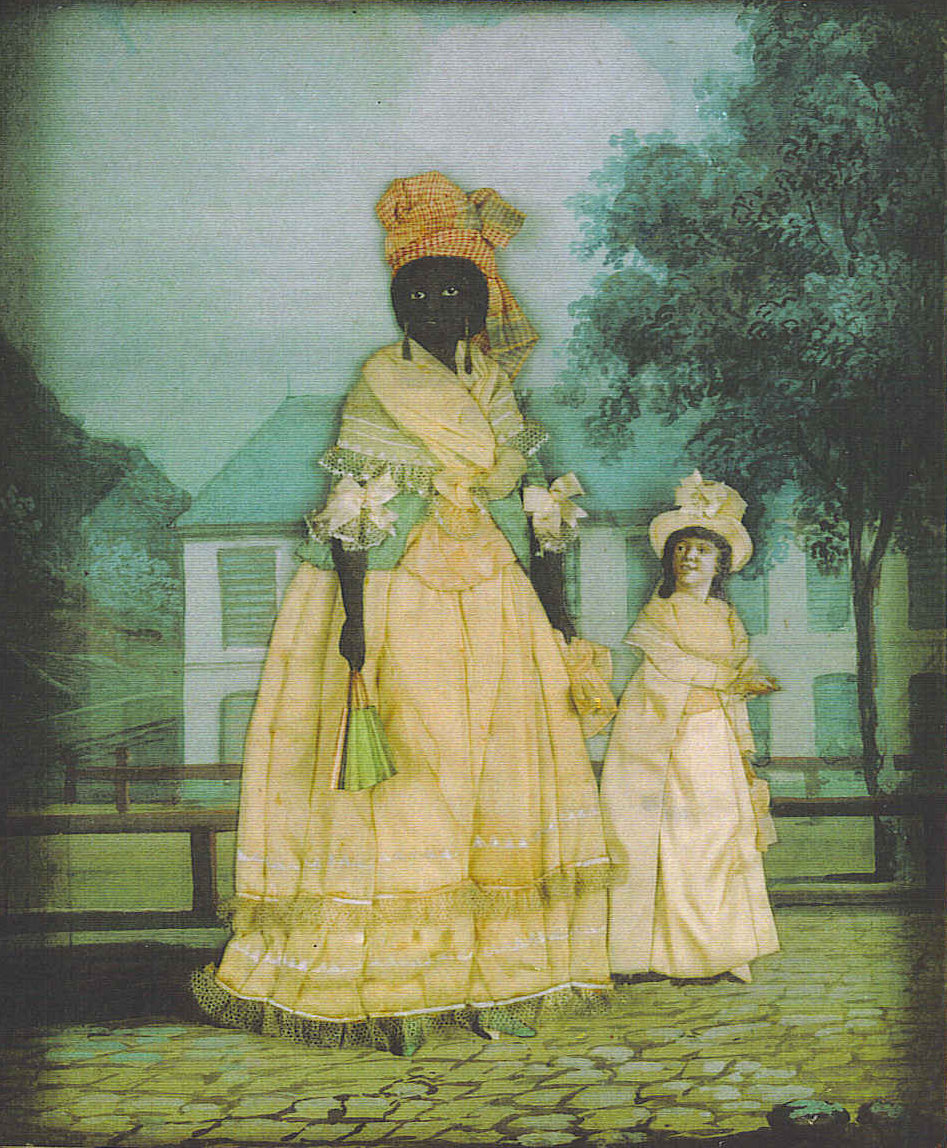
In the British colonies in North America and in the United States before the abolition of slavery in 1865, free Negro or free Black described the legal status of African Americans who were not enslaved. The term was applied both to formerly enslaved people (freedmen) and to those who had been born free (free people of color), whether of African or mixed descent.
Slavery was legal and practiced in every European colony in North America, at various points in history. Not all Africans who came to America were slaves; a few came even in the 17th century as free men, as sailors working on ships. In the early colonial years, some Africans came as indentured servants who were freed after a set period of years, as did many of the immigrants from Europe. Such servants became free when they completed their term of indenture; they were also eligible for headrights for land in the new colony in the Chesapeake Bay region, where indentured servants were more common. As early as 1678, a class of free black people existed in North America.
Various groups contributed to the growth of the free Negro population:
Black people's labor was of economic importance in the export-oriented tobacco plantations of Virginia and Maryland, and in the rice and indigo plantations of South Carolina. Between 1620 and 1780 about 287,000 slaves were imported into the Thirteen Colonies, or 5 percent of the more than six million slaves brought from Africa. The great majority of transported enslaved Africans were shipped to sugar-producing colonies in the Caribbean and to Brazil, where life expectancy was short and slave numbers had to be continually replenished; this could be done at relatively low costs until the Slave Trade Act 1807.
The life expectancy of slaves was much higher in the Thirteen Colonies than in Latin America, the Caribbean or Brazil. This, combined with a very high birth rate, meant that the number of slaves grew rapidly, as the number of births exceeded the number of deaths, reaching nearly 4 million by the time of the 1860 United States census. From 1770 until 1860 the rate of natural population growth among American slaves was much greater than for the population of any nation in Europe, and was nearly twice as rapid as that of Britain. This was sometimes attributed[by whom?] to very high birth rates: "U.S. slaves, then, reached similar rates of natural increase to whites not because of any special privileges but through a process of great suffering and material deprivation".[clarification needed]
The Southern Colonies (Maryland, Virginia, and Carolina) imported more[vague] slaves, initially from long-established European colonies in the West Indies. Like them, the mainland colonies rapidly increased restrictions that defined slavery as a racial caste associated with African ethnicity. In 1663 Virginia adopted the principle in slave law of partus sequitur ventrem, according to which children were born into the status of their mother, rather than taking the status of their father, as was then customary for English subjects under common law. Other colonies followed suit. This meant that children of slave mothers in colonial America were also slaves, regardless of their fathers' ethnicity. In some cases, this could result in a person's being legally white under Virginia law of the time, although born into slavery.
According to Paul Heinegg, most of the free Black families established in the Thirteen Colonies before the American Revolution of the late 18th century descended from unions between white women (whether indentured servants or free) and African men (whether indentured servant, free, or enslaved). These relationships took place mostly among the working class, reflecting the fluid societies of the time. Because such mixed-race children were born to free women, they were free. Through use of court documents, deeds, wills, and other records, Heinegg traced such families as the ancestors of nearly 80 percent of the free Black people recorded in the censuses of the Upper South from 1790 to 1810.[failed verification]
In addition, slave owners manumitted slaves for various reasons: to reward long years of service, because heirs did not want to take on slaves, or to free slave concubines and/or their children. Slaves were sometimes allowed to buy their freedom; they might be permitted to save money from fees paid when they were "hired out" to work for other parties. In the mid-to-late 18th century, Methodist and Baptist evangelists during the period of the First Great Awakening (c. 1730–1755) encouraged slave owners to free their slaves, in their belief that all men were equal before God. They converted many slaves to Christianity and approved black leaders as preachers; blacks developed their own strain of Christianity.[further explanation needed] Before the American Revolutionary War of 1775–1783, few slaves were manumitted; on the eve of the American Revolution, there was an estimated 30,000 free African Americans in Colonial America which accounts for about 5% of the total African American population with most of free African Americans being mixed race. Since the portion of free African Americans were so small and could possibly pass as white, they were not deemed a threat to the White population to warrant anti-Black legislation. However, historian Ira Berlin states that this figure could be as high as 25 percent due to errors in census collection, ambiguous status of runaway slaves, white-passing persons, and slaves who lived as if they were free but did not have the papers to prove it.
Free Negro
In the British colonies in North America and in the United States before the abolition of slavery in 1865, free Negro or free Black described the legal status of African Americans who were not enslaved. The term was applied both to formerly enslaved people (freedmen) and to those who had been born free (free people of color), whether of African or mixed descent.
Slavery was legal and practiced in every European colony in North America, at various points in history. Not all Africans who came to America were slaves; a few came even in the 17th century as free men, as sailors working on ships. In the early colonial years, some Africans came as indentured servants who were freed after a set period of years, as did many of the immigrants from Europe. Such servants became free when they completed their term of indenture; they were also eligible for headrights for land in the new colony in the Chesapeake Bay region, where indentured servants were more common. As early as 1678, a class of free black people existed in North America.
Various groups contributed to the growth of the free Negro population:
Black people's labor was of economic importance in the export-oriented tobacco plantations of Virginia and Maryland, and in the rice and indigo plantations of South Carolina. Between 1620 and 1780 about 287,000 slaves were imported into the Thirteen Colonies, or 5 percent of the more than six million slaves brought from Africa. The great majority of transported enslaved Africans were shipped to sugar-producing colonies in the Caribbean and to Brazil, where life expectancy was short and slave numbers had to be continually replenished; this could be done at relatively low costs until the Slave Trade Act 1807.
The life expectancy of slaves was much higher in the Thirteen Colonies than in Latin America, the Caribbean or Brazil. This, combined with a very high birth rate, meant that the number of slaves grew rapidly, as the number of births exceeded the number of deaths, reaching nearly 4 million by the time of the 1860 United States census. From 1770 until 1860 the rate of natural population growth among American slaves was much greater than for the population of any nation in Europe, and was nearly twice as rapid as that of Britain. This was sometimes attributed[by whom?] to very high birth rates: "U.S. slaves, then, reached similar rates of natural increase to whites not because of any special privileges but through a process of great suffering and material deprivation".[clarification needed]
The Southern Colonies (Maryland, Virginia, and Carolina) imported more[vague] slaves, initially from long-established European colonies in the West Indies. Like them, the mainland colonies rapidly increased restrictions that defined slavery as a racial caste associated with African ethnicity. In 1663 Virginia adopted the principle in slave law of partus sequitur ventrem, according to which children were born into the status of their mother, rather than taking the status of their father, as was then customary for English subjects under common law. Other colonies followed suit. This meant that children of slave mothers in colonial America were also slaves, regardless of their fathers' ethnicity. In some cases, this could result in a person's being legally white under Virginia law of the time, although born into slavery.
According to Paul Heinegg, most of the free Black families established in the Thirteen Colonies before the American Revolution of the late 18th century descended from unions between white women (whether indentured servants or free) and African men (whether indentured servant, free, or enslaved). These relationships took place mostly among the working class, reflecting the fluid societies of the time. Because such mixed-race children were born to free women, they were free. Through use of court documents, deeds, wills, and other records, Heinegg traced such families as the ancestors of nearly 80 percent of the free Black people recorded in the censuses of the Upper South from 1790 to 1810.[failed verification]
In addition, slave owners manumitted slaves for various reasons: to reward long years of service, because heirs did not want to take on slaves, or to free slave concubines and/or their children. Slaves were sometimes allowed to buy their freedom; they might be permitted to save money from fees paid when they were "hired out" to work for other parties. In the mid-to-late 18th century, Methodist and Baptist evangelists during the period of the First Great Awakening (c. 1730–1755) encouraged slave owners to free their slaves, in their belief that all men were equal before God. They converted many slaves to Christianity and approved black leaders as preachers; blacks developed their own strain of Christianity.[further explanation needed] Before the American Revolutionary War of 1775–1783, few slaves were manumitted; on the eve of the American Revolution, there was an estimated 30,000 free African Americans in Colonial America which accounts for about 5% of the total African American population with most of free African Americans being mixed race. Since the portion of free African Americans were so small and could possibly pass as white, they were not deemed a threat to the White population to warrant anti-Black legislation. However, historian Ira Berlin states that this figure could be as high as 25 percent due to errors in census collection, ambiguous status of runaway slaves, white-passing persons, and slaves who lived as if they were free but did not have the papers to prove it.
Recent media
Recent media