
Recent from talks
French Renaissance architecture
Knowledge base stats:
Talk channels stats:
Members stats:
French Renaissance architecture
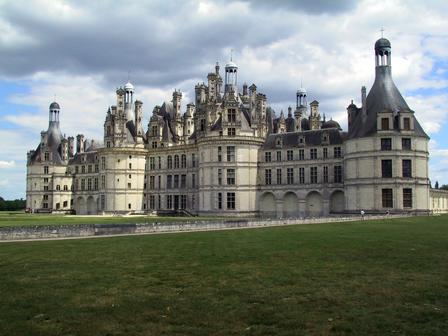
French Renaissance architecture is a style which was prominent between the late 15th and early 17th centuries in the Kingdom of France. It succeeded French Gothic architecture. The style was originally imported from Italy after the Hundred Years' War by the French kings Charles VII, Louis XI, Charles VIII, Louis XII and François I. Several notable royal châteaux in this style were built in the Loire Valley, notably the Château de Montsoreau, the Château de Langeais, the Château d'Amboise, the Château de Blois, the Château de Gaillon and the Château de Chambord, as well as, closer to Paris, the Château de Fontainebleau.
This style of French architecture had two distinct periods. During the first period, between about 1491 and 1540, the Italian style was copied directly, often by Italian architects and craftsmen. In the second period, between 1540 and the end of the Valois dynasty in 1589, French architects and craftsmen gave the style a more distinctive and original French character.
The major architects of the style included the royal architects Philibert Delorme, Pierre Lescot and Jean Bullant, as well as the Italian architect and architectural theorist Sebastiano Serlio.
During the Hundred Years' War, Charles VII found the Loire Valley an ideal place of refuge. He was crowned in Reims following the Joan of Arc epic battles that began the departure of the English from the whole kingdom. The middle of the 15th century was a key period for the Loire Valley in the history of France and its architectural heritage. The greats of the kingdom settled in the region, fitting out medieval fortresses or erecting new buildings. Charles VII resided in Chinon, which remained the seat of the court until 1450, and he and his dauphin, the future Louis XI, ordered or authorized construction works to be carried out. Then began the construction of the Châteaux of the Loire Valley.
Thus, from 1443 to 1453, the main building of the Château de Montsoreau is built on the Loire river banks by Jean II de Chambes, diplomat in Venice and in Turkey and private counselor of King Charles VII. Between 1465 and 1469, Louis XI ordered the construction of the Château de Langeais at the end of the promontory, a hundred meters in front of the 10th century dungeon. In 1494, Charles VIII led a large army into Italy to capture Naples, which had been seized by Alfonso V of Aragon. He passed through Turin, Milan and Florence, and retook Naples on 22 February 1495. In that city he discovered the lavish gardens and the new architectural style of the Italian Renaissance, which he judged far superior to that of his own medieval palace in Amboise. An anti-French coalition of armies forced him to retreat from Naples, but he took with him twenty-two skilled Italian craftsmen, including gardeners, sculptors, architects and engineers, including the scholar and architect Fra Giocondo and the architect and illustrator Domenico da Cortona, whom he assigned to remake his château in Amboise.
In 1453, at the end of the Hundred Years' War, Charles VII authorized the construction of the Château de Montsoreau by Jean II de Chambes, then diplomat in Venice and Turkey and private adviser to the king. It was built on the site of the ancient fortress of Foulques Nerra, unusually, directly on the Loire river bank in the style of Venetian Renaissance. Its architecture is of transition between military and pleasure architecture and bears witness to the time when castles became châteaux. The main building was built in 1453 and in an unprecedent manner, two square pavilions were added between 1453 and 1461, anticipating the classical architecture by several decades. Jean III de Chambes built or transformed the grand stairway tower in the Italian style in 1510–1515, its carvings are similar to the ones of the gate-house of Château de Gaillon.
In 1491, before the Italian campaign, Charles VIII had begun rebuilding the Château d'Amboise, turning it from a medieval castle into a more comfortable residence, with two wings and a chapel. He returned from Italy to Amboise in March 1496, where nearly two hundred stonemasons and ninety other skilled craftsmen were already at work. Much of the building was already done in the earlier Medieval style, with high lucarnes flanked by pinnacles on the roof. The first Renaissance additions were the large bays on the ground floor, which opened out with a view of the Loire. Amboise also had, on the Hurtault tower, some of the first Renaissance pilasters in France, sculpted columns on the wall that were purely decorative. The landscape architect whom Charles brought from Italy, Pacello da Mercogliano, created the first French Renaissance garden on the terrace, surrounded by a forged wrought iron fence. Charles did not see the château completed; he died there in 1498, after accidentally hitting his head on a lintel.
Not all the architectural innovation took place in the Loire Valley. Georges d'Amboise was archbishop of Rouen, but also the chief minister for Italian affairs for both Louis XII and Charles VIII. Between 1502 and 1509 he largely redecorated his residence in the valley of the Seine, the Château de Gaillon, in the Italian style. He acquired a fountain, marble medallions from Genoa, sculpted frontons and pilasters with seashell ornamentation, and various architectural elements from Italy and used them in the chậteau. Gradually, the decoration transformed the château from a medieval fortress to an elegant Renaissance residence. Most of the Château was demolished in the 19th century, but some portions remain and some of the decoration is now on display in the Musée national des Monuments Français in Paris.
Hub AI
French Renaissance architecture AI simulator
(@French Renaissance architecture_simulator)
French Renaissance architecture
French Renaissance architecture is a style which was prominent between the late 15th and early 17th centuries in the Kingdom of France. It succeeded French Gothic architecture. The style was originally imported from Italy after the Hundred Years' War by the French kings Charles VII, Louis XI, Charles VIII, Louis XII and François I. Several notable royal châteaux in this style were built in the Loire Valley, notably the Château de Montsoreau, the Château de Langeais, the Château d'Amboise, the Château de Blois, the Château de Gaillon and the Château de Chambord, as well as, closer to Paris, the Château de Fontainebleau.
This style of French architecture had two distinct periods. During the first period, between about 1491 and 1540, the Italian style was copied directly, often by Italian architects and craftsmen. In the second period, between 1540 and the end of the Valois dynasty in 1589, French architects and craftsmen gave the style a more distinctive and original French character.
The major architects of the style included the royal architects Philibert Delorme, Pierre Lescot and Jean Bullant, as well as the Italian architect and architectural theorist Sebastiano Serlio.
During the Hundred Years' War, Charles VII found the Loire Valley an ideal place of refuge. He was crowned in Reims following the Joan of Arc epic battles that began the departure of the English from the whole kingdom. The middle of the 15th century was a key period for the Loire Valley in the history of France and its architectural heritage. The greats of the kingdom settled in the region, fitting out medieval fortresses or erecting new buildings. Charles VII resided in Chinon, which remained the seat of the court until 1450, and he and his dauphin, the future Louis XI, ordered or authorized construction works to be carried out. Then began the construction of the Châteaux of the Loire Valley.
Thus, from 1443 to 1453, the main building of the Château de Montsoreau is built on the Loire river banks by Jean II de Chambes, diplomat in Venice and in Turkey and private counselor of King Charles VII. Between 1465 and 1469, Louis XI ordered the construction of the Château de Langeais at the end of the promontory, a hundred meters in front of the 10th century dungeon. In 1494, Charles VIII led a large army into Italy to capture Naples, which had been seized by Alfonso V of Aragon. He passed through Turin, Milan and Florence, and retook Naples on 22 February 1495. In that city he discovered the lavish gardens and the new architectural style of the Italian Renaissance, which he judged far superior to that of his own medieval palace in Amboise. An anti-French coalition of armies forced him to retreat from Naples, but he took with him twenty-two skilled Italian craftsmen, including gardeners, sculptors, architects and engineers, including the scholar and architect Fra Giocondo and the architect and illustrator Domenico da Cortona, whom he assigned to remake his château in Amboise.
In 1453, at the end of the Hundred Years' War, Charles VII authorized the construction of the Château de Montsoreau by Jean II de Chambes, then diplomat in Venice and Turkey and private adviser to the king. It was built on the site of the ancient fortress of Foulques Nerra, unusually, directly on the Loire river bank in the style of Venetian Renaissance. Its architecture is of transition between military and pleasure architecture and bears witness to the time when castles became châteaux. The main building was built in 1453 and in an unprecedent manner, two square pavilions were added between 1453 and 1461, anticipating the classical architecture by several decades. Jean III de Chambes built or transformed the grand stairway tower in the Italian style in 1510–1515, its carvings are similar to the ones of the gate-house of Château de Gaillon.
In 1491, before the Italian campaign, Charles VIII had begun rebuilding the Château d'Amboise, turning it from a medieval castle into a more comfortable residence, with two wings and a chapel. He returned from Italy to Amboise in March 1496, where nearly two hundred stonemasons and ninety other skilled craftsmen were already at work. Much of the building was already done in the earlier Medieval style, with high lucarnes flanked by pinnacles on the roof. The first Renaissance additions were the large bays on the ground floor, which opened out with a view of the Loire. Amboise also had, on the Hurtault tower, some of the first Renaissance pilasters in France, sculpted columns on the wall that were purely decorative. The landscape architect whom Charles brought from Italy, Pacello da Mercogliano, created the first French Renaissance garden on the terrace, surrounded by a forged wrought iron fence. Charles did not see the château completed; he died there in 1498, after accidentally hitting his head on a lintel.
Not all the architectural innovation took place in the Loire Valley. Georges d'Amboise was archbishop of Rouen, but also the chief minister for Italian affairs for both Louis XII and Charles VIII. Between 1502 and 1509 he largely redecorated his residence in the valley of the Seine, the Château de Gaillon, in the Italian style. He acquired a fountain, marble medallions from Genoa, sculpted frontons and pilasters with seashell ornamentation, and various architectural elements from Italy and used them in the chậteau. Gradually, the decoration transformed the château from a medieval fortress to an elegant Renaissance residence. Most of the Château was demolished in the 19th century, but some portions remain and some of the decoration is now on display in the Musée national des Monuments Français in Paris.
Recent media