


Community hub
Recent from talks
Contribute something to knowledge base
Content stats: 0 posts, 0 articles, 1 media, 0 notes
Members stats: 0 subscribers, 0 contributors, 0 moderators, 0 supporters
Subscribers
Supporters
Contributors
Moderators
Hub AI
Frontal lobe disorder AI simulator
(@Frontal lobe disorder_simulator)
Hub AI
Frontal lobe disorder AI simulator
(@Frontal lobe disorder_simulator)
Frontal lobe disorder
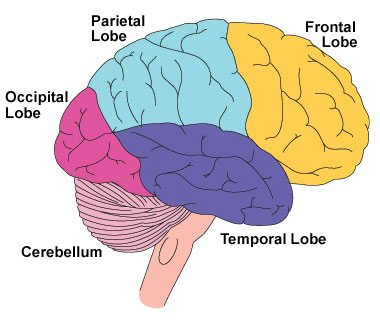
Frontal lobe disorder, also frontal lobe syndrome, is an impairment of the frontal lobe of the brain due to disease or frontal lobe injury. The frontal lobe plays a key role in executive functions such as motivation, planning, social behavior, and speech production. Frontal lobe syndrome can be caused by a range of conditions including head trauma, tumours, neurodegenerative diseases, neurodevelopmental disorders, neurosurgery and cerebrovascular disease. Frontal lobe impairment can be detected by recognition of typical signs and symptoms, use of simple screening tests, and specialist neurological testing.
The signs and symptoms of frontal lobe disorder can be indicated by dysexecutive syndrome which consists of a number of symptoms which tend to occur together. Broadly speaking, these symptoms fall into three main categories; cognitive (movement and speech), emotional, or behavioral. Although many of these symptoms regularly co-occur, it is common to encounter patients who have several, but not all of these symptoms. This is one reason why some researchers are beginning to argue that dysexecutive syndrome is not the best term to describe these various symptoms. The fact that many of the dysexecutive syndrome symptoms can occur alone has led some researchers to suggest that the symptoms should not be labelled as a "syndrome" as such. Some of the latest imaging research on frontal cortex areas suggests that executive functions may be more discrete than was previously thought. Signs and symptoms can be divided as follows:
Speech
Emotional
Behavioral
The causes of frontal lobe disorders can be closed head injury. An example of this can be from an accident, which can cause damage to the orbitofrontal cortex area of the brain.
Cerebrovascular disease may cause a stroke in the frontal lobe. Tumours such as meningiomas may present with a frontal lobe syndrome. Frontal lobe impairment is also a feature of Alzheimer's disease, and frontotemporal dementia.
The pathogenesis of frontal lobe disorders entails various pathologies, some are as follows:
Frontal lobe disorder
Frontal lobe disorder, also frontal lobe syndrome, is an impairment of the frontal lobe of the brain due to disease or frontal lobe injury. The frontal lobe plays a key role in executive functions such as motivation, planning, social behavior, and speech production. Frontal lobe syndrome can be caused by a range of conditions including head trauma, tumours, neurodegenerative diseases, neurodevelopmental disorders, neurosurgery and cerebrovascular disease. Frontal lobe impairment can be detected by recognition of typical signs and symptoms, use of simple screening tests, and specialist neurological testing.
The signs and symptoms of frontal lobe disorder can be indicated by dysexecutive syndrome which consists of a number of symptoms which tend to occur together. Broadly speaking, these symptoms fall into three main categories; cognitive (movement and speech), emotional, or behavioral. Although many of these symptoms regularly co-occur, it is common to encounter patients who have several, but not all of these symptoms. This is one reason why some researchers are beginning to argue that dysexecutive syndrome is not the best term to describe these various symptoms. The fact that many of the dysexecutive syndrome symptoms can occur alone has led some researchers to suggest that the symptoms should not be labelled as a "syndrome" as such. Some of the latest imaging research on frontal cortex areas suggests that executive functions may be more discrete than was previously thought. Signs and symptoms can be divided as follows:
Speech
Emotional
Behavioral
The causes of frontal lobe disorders can be closed head injury. An example of this can be from an accident, which can cause damage to the orbitofrontal cortex area of the brain.
Cerebrovascular disease may cause a stroke in the frontal lobe. Tumours such as meningiomas may present with a frontal lobe syndrome. Frontal lobe impairment is also a feature of Alzheimer's disease, and frontotemporal dementia.
The pathogenesis of frontal lobe disorders entails various pathologies, some are as follows:
Recent media
Recent media