
Recent from talks
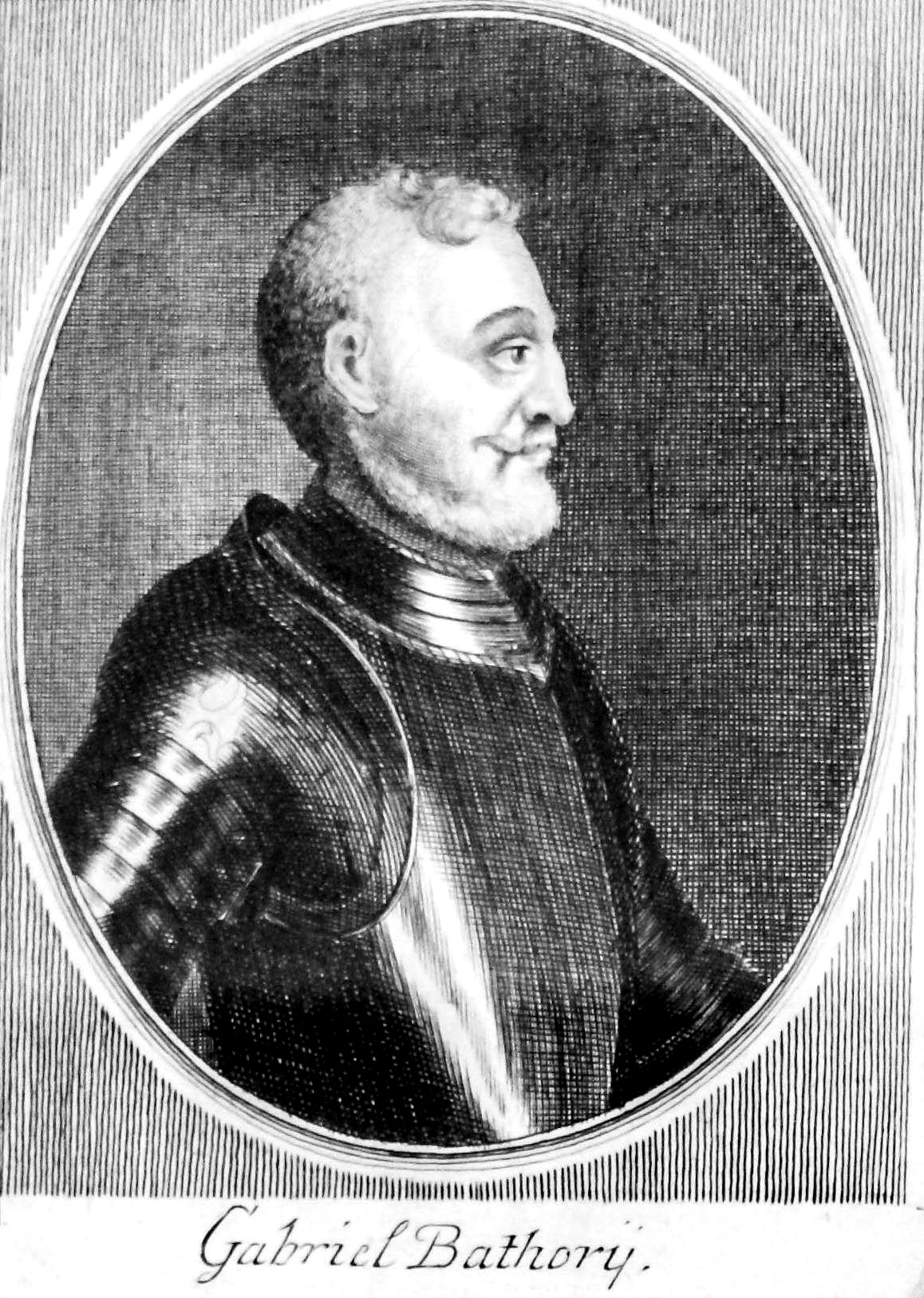
Gabriel Báthory
Knowledge base stats:
Talk channels stats:
Members stats:
Gabriel Báthory
Gabriel Báthory (Hungarian: Báthory Gábor; 15 August 1589 – 27 October 1613) was Prince of Transylvania from 1608 to 1613. The Ottomans nicknamed him "Deli Kiral" (Mad King). Born to the Roman Catholic branch of the Báthory family, he was closely related to four rulers of the Principality of Transylvania (a vassal state of the Ottoman Empire which had developed in the eastern territories of the medieval Kingdom of Hungary). His father, Stephen Báthory, held estates in the principality, but never ruled it. Being a minor when his father died in 1601, Gabriel became the ward of the childless Stephen Báthory, from the Protestant branch of the family, who converted him to Calvinism. After inheriting most of his guardian's estates in 1605, Gabriel became one of the wealthiest landowners in Transylvania and Royal Hungary (a realm of the Habsburg Empire which included the northern and western parts of medieval Hungary).
Gabriel made an alliance with the Hajdús—irregular troops stationing along the borders of Transylvania and Royal Hungary—and laid claim to Transylvania against the elderly prince, Sigismund Rákóczi in February 1608. Rákóczi abdicated and the Diet of Transylvania elected Gabriel prince without resistance. Both the Sublime Porte and the Habsburg ruler Matthias II acknowledged Gabriel's election. He ignored the privileges of the Transylvanian Saxons and captured their wealthiest town, Szeben (now Sibiu in Romania), provoking an uprising in 1610. His attempts to expand his authority over the Ottoman vassal Wallachia and his negotiations with Matthias II outraged the Ottoman Sultan Ahmed I. The Sultan decided to replace Gabriel with an exiled Transylvanian nobleman, Gabriel Bethlen, and sent troops to invade the principality in August 1613. Transylvania was unable to resist and the Diet dethroned Gabriel. He was murdered by Hajdú assassins.
Báthory was born in Várad (now Oradea in Romania) before dawn on 15 August 1589. His father, Stephen Báthory, was a cousin of Prince of Transylvania Sigismund Báthory. Stephen was captain of Várad when Gabriel was born. Gabriel's mother was his father's first wife, Zsuzsanna Bebek. Although she had already given birth to four children, none survived infancy. Sigismund Báthory dismissed Gabriel's father from Várad in the summer of 1592, and Gabriel's family then moved to the Báthorys' ancient castle in Szilágysomlyó (now Șimleu Silvaniei in Romania).
The Principality of Transylvania emerged after the disintegration of the medieval Kingdom of Hungary in the 1540s. The principality included the eastern and northeastern regions of the medieval kingdom and its princes paid a yearly tribute to the Ottoman sultans. The princes were elected by the Diet, but they were to seek the Ottoman sultans' confirmation to rule the principality. The Habsburg kings of Royal Hungary regarded the principality as a part of their realm and the first rulers of the principality acknowledged the Habsburgs' claim in secret treaties in the 1570s. The Diet of Transylvania consisted primarily of the representatives of the Three Nations (that is the Hungarian noblemen, the Saxon burghers and the Székelys).
Sigismund Báthory, who was a devout Catholic, wanted to join the Holy League of Pope Clement VIII against the Ottoman Empire, but most Transylvanian noblemen opposed his plan. Stephen Báthory's brother, Balthasar, was an opposition leader. Balthasar was captured and murdered at Sigismund's order in late August 1594. Gabriel's father fled from Transylvania to Poland, leaving his family behind in Szilágysomlyó; the five-year-old Gabriel was imprisoned with his mother and newborn sister, Anna. Stephen and Balthasar's brother, Cardinal Andrew Báthory (who lived in Poland), persuaded Pope Clement VIII to intervene on their behalf. Gabriel, his mother and sister were freed at the pope's request and were allowed to join Stephen in Poland. His mother became seriously ill, and died near the end of 1595.
The Ottomans routed the armies of the Holy League in a series of battles after 1595. Sigismund Báthory abdicated in favor of Gabriel's uncle, Andrew, in early 1599 in the hope that Andrew could regain the Ottoman sultans' favor with Polish mediation. Gabriel's father accompanied Andrew back to Transylvania, and his family followed him. Michael the Brave, Prince of Wallachia, who had joined the Holy League, invaded Transylvania and defeated Andrew with the assistance of Székely troops. After Székely commoners murdered Andrew, Michael the Brave took possession of Transylvania. Gabriel's father fled to Kővár (now Remetea Chioarului in Romania) and swore fealty to the Holy Roman Emperor, Rudolph (who was also king of Hungary), before his death on 21 February 1601.
The orphaned Gabriel and Anna were placed in the guardianship of their father's childless cousin, Stephen Báthory, and lost most of their father's estates; Szilágysomlyó was seized by the royal treasury, and their scattered estates in Szatmár, Szabolcs and Kraszna Counties were seized by a distant cousin, Peter Szaniszlófi. Scholar János Czeglédi educated Gabriel in Nagyecsed, and the wealthy Stephen Báthory converted Gabriel from Catholicism to Calvinism. Gabriel pledged that he would expel Catholics, Lutherans and Unitarians from his estates. The young Gabriel's strength was legendary, and he was said to break horseshoes with his bare hands.
Rudolf's troops occupied Transylvania in 1603 and his officials started to confiscate the estates of noblemen through legal proceedings on false charges of treason. One of the wealthiest landowners, Stephen Bocskai, was accused of maintaining secret correspondence with Transylvanian exiles in 1604. To avoid imprisonment, he rose up in open rebellion with the backing of the Hajdú, irregular troops stationed along the borders of Transylvania and Royal Hungary. Although Stephen Báthory did not openly support Bocskai, he sent Gabriel to Bocskai's court in Kassa. Sixteen-year-old Gabriel participated in a battle against the royal army near Sárospatak in early February 1605; three years later, poet János Rimay accused him of fleeing the battlefield. Rimay also said that Gabriel spent his days mainly drinking wine and allegedly had an affair with his aunt, Kata Iffjú (who was over thirty years old at the time).
Hub AI
Gabriel Báthory AI simulator
(@Gabriel Báthory_simulator)
Gabriel Báthory
Gabriel Báthory (Hungarian: Báthory Gábor; 15 August 1589 – 27 October 1613) was Prince of Transylvania from 1608 to 1613. The Ottomans nicknamed him "Deli Kiral" (Mad King). Born to the Roman Catholic branch of the Báthory family, he was closely related to four rulers of the Principality of Transylvania (a vassal state of the Ottoman Empire which had developed in the eastern territories of the medieval Kingdom of Hungary). His father, Stephen Báthory, held estates in the principality, but never ruled it. Being a minor when his father died in 1601, Gabriel became the ward of the childless Stephen Báthory, from the Protestant branch of the family, who converted him to Calvinism. After inheriting most of his guardian's estates in 1605, Gabriel became one of the wealthiest landowners in Transylvania and Royal Hungary (a realm of the Habsburg Empire which included the northern and western parts of medieval Hungary).
Gabriel made an alliance with the Hajdús—irregular troops stationing along the borders of Transylvania and Royal Hungary—and laid claim to Transylvania against the elderly prince, Sigismund Rákóczi in February 1608. Rákóczi abdicated and the Diet of Transylvania elected Gabriel prince without resistance. Both the Sublime Porte and the Habsburg ruler Matthias II acknowledged Gabriel's election. He ignored the privileges of the Transylvanian Saxons and captured their wealthiest town, Szeben (now Sibiu in Romania), provoking an uprising in 1610. His attempts to expand his authority over the Ottoman vassal Wallachia and his negotiations with Matthias II outraged the Ottoman Sultan Ahmed I. The Sultan decided to replace Gabriel with an exiled Transylvanian nobleman, Gabriel Bethlen, and sent troops to invade the principality in August 1613. Transylvania was unable to resist and the Diet dethroned Gabriel. He was murdered by Hajdú assassins.
Báthory was born in Várad (now Oradea in Romania) before dawn on 15 August 1589. His father, Stephen Báthory, was a cousin of Prince of Transylvania Sigismund Báthory. Stephen was captain of Várad when Gabriel was born. Gabriel's mother was his father's first wife, Zsuzsanna Bebek. Although she had already given birth to four children, none survived infancy. Sigismund Báthory dismissed Gabriel's father from Várad in the summer of 1592, and Gabriel's family then moved to the Báthorys' ancient castle in Szilágysomlyó (now Șimleu Silvaniei in Romania).
The Principality of Transylvania emerged after the disintegration of the medieval Kingdom of Hungary in the 1540s. The principality included the eastern and northeastern regions of the medieval kingdom and its princes paid a yearly tribute to the Ottoman sultans. The princes were elected by the Diet, but they were to seek the Ottoman sultans' confirmation to rule the principality. The Habsburg kings of Royal Hungary regarded the principality as a part of their realm and the first rulers of the principality acknowledged the Habsburgs' claim in secret treaties in the 1570s. The Diet of Transylvania consisted primarily of the representatives of the Three Nations (that is the Hungarian noblemen, the Saxon burghers and the Székelys).
Sigismund Báthory, who was a devout Catholic, wanted to join the Holy League of Pope Clement VIII against the Ottoman Empire, but most Transylvanian noblemen opposed his plan. Stephen Báthory's brother, Balthasar, was an opposition leader. Balthasar was captured and murdered at Sigismund's order in late August 1594. Gabriel's father fled from Transylvania to Poland, leaving his family behind in Szilágysomlyó; the five-year-old Gabriel was imprisoned with his mother and newborn sister, Anna. Stephen and Balthasar's brother, Cardinal Andrew Báthory (who lived in Poland), persuaded Pope Clement VIII to intervene on their behalf. Gabriel, his mother and sister were freed at the pope's request and were allowed to join Stephen in Poland. His mother became seriously ill, and died near the end of 1595.
The Ottomans routed the armies of the Holy League in a series of battles after 1595. Sigismund Báthory abdicated in favor of Gabriel's uncle, Andrew, in early 1599 in the hope that Andrew could regain the Ottoman sultans' favor with Polish mediation. Gabriel's father accompanied Andrew back to Transylvania, and his family followed him. Michael the Brave, Prince of Wallachia, who had joined the Holy League, invaded Transylvania and defeated Andrew with the assistance of Székely troops. After Székely commoners murdered Andrew, Michael the Brave took possession of Transylvania. Gabriel's father fled to Kővár (now Remetea Chioarului in Romania) and swore fealty to the Holy Roman Emperor, Rudolph (who was also king of Hungary), before his death on 21 February 1601.
The orphaned Gabriel and Anna were placed in the guardianship of their father's childless cousin, Stephen Báthory, and lost most of their father's estates; Szilágysomlyó was seized by the royal treasury, and their scattered estates in Szatmár, Szabolcs and Kraszna Counties were seized by a distant cousin, Peter Szaniszlófi. Scholar János Czeglédi educated Gabriel in Nagyecsed, and the wealthy Stephen Báthory converted Gabriel from Catholicism to Calvinism. Gabriel pledged that he would expel Catholics, Lutherans and Unitarians from his estates. The young Gabriel's strength was legendary, and he was said to break horseshoes with his bare hands.
Rudolf's troops occupied Transylvania in 1603 and his officials started to confiscate the estates of noblemen through legal proceedings on false charges of treason. One of the wealthiest landowners, Stephen Bocskai, was accused of maintaining secret correspondence with Transylvanian exiles in 1604. To avoid imprisonment, he rose up in open rebellion with the backing of the Hajdú, irregular troops stationed along the borders of Transylvania and Royal Hungary. Although Stephen Báthory did not openly support Bocskai, he sent Gabriel to Bocskai's court in Kassa. Sixteen-year-old Gabriel participated in a battle against the royal army near Sárospatak in early February 1605; three years later, poet János Rimay accused him of fleeing the battlefield. Rimay also said that Gabriel spent his days mainly drinking wine and allegedly had an affair with his aunt, Kata Iffjú (who was over thirty years old at the time).
Recent media