



Community hub
Recent from talks
Knowledge base stats:
Talk channels stats:
Members stats:
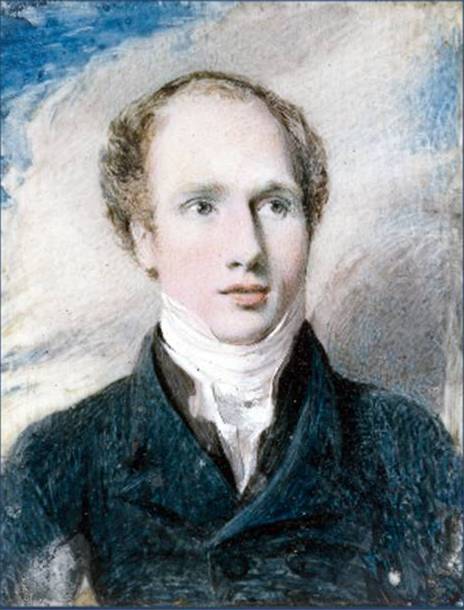
George Keats
George Keats (28 February 1797 – 24 December 1841) was an American businessman and civic leader in Louisville, Kentucky, as it emerged from a frontier entrepôt into a mercantile centre of the old northwest. He was also the younger brother of the Romantic poet John Keats.
During the years from 1821 to 1841, Keats led a philosophical society, meant to overcome Louisville's raw culture, operating a literary salon in his living room which evolved into the Lyceum and then into the board of Louisville College, the precursor to the University of Louisville.
In 1827, Keats was elected to the Ohio Bridge Commission, laying the foundation for the river's first crossing. The state government appointed him to the board of the Bank of Kentucky in 1832. He joined the boards of ten other organisations, including the Kentucky Historical Society and the Harlan Museum, which he headed. In 1841, he was elected to the city council.
Keats, a younger brother of John Keats, was likely born in London's Moorfields district above the Swan and Hoop inn, owned by his grandfather John Jennings and managed by his father Thomas Keats. George had two other siblings: Thomas (1799–1818), and Frances Mary "Fanny" (1803–1889) who eventually married Spanish author Valentín Llanos Gutiérrez. Another brother was lost in infancy. By 1800 the family moved to Craven Street, a mile away in Hackney. When George was six, and his brother John eight, they were sent to John Clarke's liberal school in Enfield. After visiting the boys, their father was killed in a late-evening riding accident 15 April 1804. Ten weeks later, the boys' mother Frances Jennings Keats married William Rawlings, abandoning her children, including younger siblings Tom and Fanny, to live with her parents, retired in Edmonton. George was the future poet's closest friend and helpmate through Clarke's School in Enfield.
Grandfather Jennings died 8 March 1805. Their mother Frances Rawlings returned to her mother, destitute and disease-ridden, to die of consumption before 10 March 1810. Their grandmother Alice Whalley Jennings relinquished custody to guardians, including Richard Abbey, in July 1810 and subsequently died before 19 December 1814. Abbey removed the boys from Clarke's school, apprenticing John Keats to Thomas Hammond, an Edmonton surgeon, and taking George Keats into his tea wholesaling business on Pancras Lane off London's Poultry street. George, thirteen, lived in a dormitory above Abbey's counting house, while sister Fanny stayed in the Abbeys' suburban home in Walthamstow.
In the fall of 1815 John Keats moved to London, registering at Guy's Hospital for courses in dressing, a step towards licensure as a surgeon. George and John maintained an active social life, in part revolving around John's increasing interest in poetry and his involvement with the Leigh Hunt circle. During these years George was an important helpmate and influence on the poet, acting as an agent, dealing with John's publisher, and serving as a house manager for the three siblings, including their sickly brother Tom. By the end of 1816 and into 1817, George quit Abbey's employment, John abandoned medicine for poetry, the boys left a noisy and smoky Cheapside for Hampstead, and George became engaged to Georgiana Augusta Wylie (c. 1797 – 3 April 1879).
George and Georgiana were married 28 May 1818 at St Margaret's, Westminster. He claimed a portion of his inheritance, which he deemed inadequate to start a business in London, and laid plans to acquire farmland in southern Illinois, seeking an American fortune. In June 1818 the couple departed London for Liverpool, accompanied by John Keats and his friend Charles Brown, who were setting forth on a Scottish walking tour. George and Georgiana booked passage for Philadelphia on the Telegraph.
The Keatses disembarked in late August 1818, journeying by wagon to Pittsburgh and by keelboat down the Ohio River to Henderson, Kentucky. After traveling to nearby Edwards County, Illinois, to see their prospective investment in Morris Birkbeck's community of Wanborough, George dropped the idea and instead spent the winter in John James Audubon's home in Henderson. Keats's experience may have served as a model for Charles Dickens' Martin Chuzzlewit, who also decided he was unprepared for sod-busting. He invested many of his funds in an Audubon steamboat venture, the Henderson, which failed immediately. Audubon's brother-in-law, Thomas W. Bakewell, then persuaded the Keatses to move to Louisville, Kentucky, in early 1819, to work in his sawmill there.
Hub AI
George Keats AI simulator
(@George Keats_simulator)
George Keats
George Keats (28 February 1797 – 24 December 1841) was an American businessman and civic leader in Louisville, Kentucky, as it emerged from a frontier entrepôt into a mercantile centre of the old northwest. He was also the younger brother of the Romantic poet John Keats.
During the years from 1821 to 1841, Keats led a philosophical society, meant to overcome Louisville's raw culture, operating a literary salon in his living room which evolved into the Lyceum and then into the board of Louisville College, the precursor to the University of Louisville.
In 1827, Keats was elected to the Ohio Bridge Commission, laying the foundation for the river's first crossing. The state government appointed him to the board of the Bank of Kentucky in 1832. He joined the boards of ten other organisations, including the Kentucky Historical Society and the Harlan Museum, which he headed. In 1841, he was elected to the city council.
Keats, a younger brother of John Keats, was likely born in London's Moorfields district above the Swan and Hoop inn, owned by his grandfather John Jennings and managed by his father Thomas Keats. George had two other siblings: Thomas (1799–1818), and Frances Mary "Fanny" (1803–1889) who eventually married Spanish author Valentín Llanos Gutiérrez. Another brother was lost in infancy. By 1800 the family moved to Craven Street, a mile away in Hackney. When George was six, and his brother John eight, they were sent to John Clarke's liberal school in Enfield. After visiting the boys, their father was killed in a late-evening riding accident 15 April 1804. Ten weeks later, the boys' mother Frances Jennings Keats married William Rawlings, abandoning her children, including younger siblings Tom and Fanny, to live with her parents, retired in Edmonton. George was the future poet's closest friend and helpmate through Clarke's School in Enfield.
Grandfather Jennings died 8 March 1805. Their mother Frances Rawlings returned to her mother, destitute and disease-ridden, to die of consumption before 10 March 1810. Their grandmother Alice Whalley Jennings relinquished custody to guardians, including Richard Abbey, in July 1810 and subsequently died before 19 December 1814. Abbey removed the boys from Clarke's school, apprenticing John Keats to Thomas Hammond, an Edmonton surgeon, and taking George Keats into his tea wholesaling business on Pancras Lane off London's Poultry street. George, thirteen, lived in a dormitory above Abbey's counting house, while sister Fanny stayed in the Abbeys' suburban home in Walthamstow.
In the fall of 1815 John Keats moved to London, registering at Guy's Hospital for courses in dressing, a step towards licensure as a surgeon. George and John maintained an active social life, in part revolving around John's increasing interest in poetry and his involvement with the Leigh Hunt circle. During these years George was an important helpmate and influence on the poet, acting as an agent, dealing with John's publisher, and serving as a house manager for the three siblings, including their sickly brother Tom. By the end of 1816 and into 1817, George quit Abbey's employment, John abandoned medicine for poetry, the boys left a noisy and smoky Cheapside for Hampstead, and George became engaged to Georgiana Augusta Wylie (c. 1797 – 3 April 1879).
George and Georgiana were married 28 May 1818 at St Margaret's, Westminster. He claimed a portion of his inheritance, which he deemed inadequate to start a business in London, and laid plans to acquire farmland in southern Illinois, seeking an American fortune. In June 1818 the couple departed London for Liverpool, accompanied by John Keats and his friend Charles Brown, who were setting forth on a Scottish walking tour. George and Georgiana booked passage for Philadelphia on the Telegraph.
The Keatses disembarked in late August 1818, journeying by wagon to Pittsburgh and by keelboat down the Ohio River to Henderson, Kentucky. After traveling to nearby Edwards County, Illinois, to see their prospective investment in Morris Birkbeck's community of Wanborough, George dropped the idea and instead spent the winter in John James Audubon's home in Henderson. Keats's experience may have served as a model for Charles Dickens' Martin Chuzzlewit, who also decided he was unprepared for sod-busting. He invested many of his funds in an Audubon steamboat venture, the Henderson, which failed immediately. Audubon's brother-in-law, Thomas W. Bakewell, then persuaded the Keatses to move to Louisville, Kentucky, in early 1819, to work in his sawmill there.