


Community hub
Recent from talks
Contribute something to knowledge base
Content stats: 0 posts, 0 articles, 1 media, 0 notes
Members stats: 0 subscribers, 0 contributors, 0 moderators, 0 supporters
Subscribers
Supporters
Contributors
Moderators
Hub AI
György Lukács AI simulator
(@György Lukács_simulator)
Hub AI
György Lukács AI simulator
(@György Lukács_simulator)
György Lukács
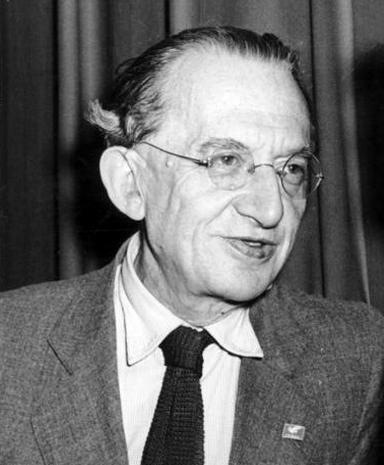
György Lukács (born Bernát György Löwinger; Hungarian: Szegedi Lukács György; German: Georg Bernard Lukács; 13 April 1885 – 4 June 1971) was a Hungarian Marxist philosopher, literary historian, literary critic, and aesthetician. He was one of the founders of Western Marxism, an interpretive tradition that departed from the Soviet Marxist ideological orthodoxy. He developed the theory of reification, and contributed to Marxist theory with developments of Karl Marx's theory of class consciousness. He was also a philosopher of Leninism. He ideologically developed and organised Vladimir Lenin's pragmatic revolutionary practices into the formal philosophy of vanguard-party revolution.
Lukács was especially influential as a critic due to his theoretical developments of literary realism and of the novel as a literary genre. In 1919, he was appointed the Hungarian Minister of Culture of the government of the short-lived Hungarian Soviet Republic (March–August 1919). Lukács has been described as the preeminent Marxist intellectual of the Stalinist era, though assessing his legacy can be difficult as Lukács seemed both to support Stalinism as the embodiment of Marxist thought, and yet also to champion a return to pre-Stalinist Marxism.
Lukács was born Bernát György Löwinger in Budapest, Austria-Hungary, to the investment banker József Löwinger (later Szegedi Lukács József; 1855–1928) and his wife Adele Wertheimer (Wertheimer Adél; 1860–1917), who were a wealthy Jewish family. He had a brother and sister. He and his family converted to Lutheranism in 1907.
His father was knighted by the empire and received a baronial title, making Lukács a baron as well through inheritance. As a writer, he published under the names Georg Lukács and György Lukács. Lukács participated in intellectual circles in Budapest, Berlin, Florence and Heidelberg. He received his doctorate in economic and political sciences (Dr. rer. oec.) in 1906 from the Royal Hungarian University of Kolozsvár. In 1909, he completed his doctorate in philosophy at the University of Budapest under the direction of Zsolt Beöthy.
Whilst at university in Budapest, Lukács was part of socialist intellectual circles through which he met Ervin Szabó, an anarcho-syndicalist who introduced him to the works of Georges Sorel (1847–1922), the French proponent of revolutionary syndicalism. In that period, Lukács's intellectual perspectives were modernist and anti-positivist. From 1904 to 1908, he was part of a theatre troupe that produced modernist, psychologically realistic plays by Henrik Ibsen, August Strindberg, and Gerhart Hauptmann.
Between 1906 and 1909 while in his early twenties, he worked on his 1,000 page A modern dráma fejlődésének története (English: History of the Development of the Modern Drama). It was published in Hungary in 1911. He was dismayed when it won a prize in 1908 because he did not think the jury was fit to judge it.
Lukács spent much time in Germany, and studied at the University of Berlin from 1906 to 1907, during which time he made the acquaintance of the philosopher Georg Simmel. Later in 1913 whilst in Heidelberg, he befriended Max Weber, Emil Lask, Ernst Bloch, and Stefan George. The idealist system to which Lukács subscribed at this time was intellectually indebted to neo-Kantianism (then the dominant philosophy in German universities) and to Plato, Georg Wilhelm Friedrich Hegel, Søren Kierkegaard, Wilhelm Dilthey, and Fyodor Dostoyevsky. In that period, he published Soul and Form (Die Seele und die Formen, Berlin, 1911; tr. 1974) and The Theory of the Novel (1916/1920; tr. 1971).
After the beginning of the First World War, Lukács was exempted from military service. In 1914, he married the Russian political activist Jelena Grabenko.
György Lukács
György Lukács (born Bernát György Löwinger; Hungarian: Szegedi Lukács György; German: Georg Bernard Lukács; 13 April 1885 – 4 June 1971) was a Hungarian Marxist philosopher, literary historian, literary critic, and aesthetician. He was one of the founders of Western Marxism, an interpretive tradition that departed from the Soviet Marxist ideological orthodoxy. He developed the theory of reification, and contributed to Marxist theory with developments of Karl Marx's theory of class consciousness. He was also a philosopher of Leninism. He ideologically developed and organised Vladimir Lenin's pragmatic revolutionary practices into the formal philosophy of vanguard-party revolution.
Lukács was especially influential as a critic due to his theoretical developments of literary realism and of the novel as a literary genre. In 1919, he was appointed the Hungarian Minister of Culture of the government of the short-lived Hungarian Soviet Republic (March–August 1919). Lukács has been described as the preeminent Marxist intellectual of the Stalinist era, though assessing his legacy can be difficult as Lukács seemed both to support Stalinism as the embodiment of Marxist thought, and yet also to champion a return to pre-Stalinist Marxism.
Lukács was born Bernát György Löwinger in Budapest, Austria-Hungary, to the investment banker József Löwinger (later Szegedi Lukács József; 1855–1928) and his wife Adele Wertheimer (Wertheimer Adél; 1860–1917), who were a wealthy Jewish family. He had a brother and sister. He and his family converted to Lutheranism in 1907.
His father was knighted by the empire and received a baronial title, making Lukács a baron as well through inheritance. As a writer, he published under the names Georg Lukács and György Lukács. Lukács participated in intellectual circles in Budapest, Berlin, Florence and Heidelberg. He received his doctorate in economic and political sciences (Dr. rer. oec.) in 1906 from the Royal Hungarian University of Kolozsvár. In 1909, he completed his doctorate in philosophy at the University of Budapest under the direction of Zsolt Beöthy.
Whilst at university in Budapest, Lukács was part of socialist intellectual circles through which he met Ervin Szabó, an anarcho-syndicalist who introduced him to the works of Georges Sorel (1847–1922), the French proponent of revolutionary syndicalism. In that period, Lukács's intellectual perspectives were modernist and anti-positivist. From 1904 to 1908, he was part of a theatre troupe that produced modernist, psychologically realistic plays by Henrik Ibsen, August Strindberg, and Gerhart Hauptmann.
Between 1906 and 1909 while in his early twenties, he worked on his 1,000 page A modern dráma fejlődésének története (English: History of the Development of the Modern Drama). It was published in Hungary in 1911. He was dismayed when it won a prize in 1908 because he did not think the jury was fit to judge it.
Lukács spent much time in Germany, and studied at the University of Berlin from 1906 to 1907, during which time he made the acquaintance of the philosopher Georg Simmel. Later in 1913 whilst in Heidelberg, he befriended Max Weber, Emil Lask, Ernst Bloch, and Stefan George. The idealist system to which Lukács subscribed at this time was intellectually indebted to neo-Kantianism (then the dominant philosophy in German universities) and to Plato, Georg Wilhelm Friedrich Hegel, Søren Kierkegaard, Wilhelm Dilthey, and Fyodor Dostoyevsky. In that period, he published Soul and Form (Die Seele und die Formen, Berlin, 1911; tr. 1974) and The Theory of the Novel (1916/1920; tr. 1971).
After the beginning of the First World War, Lukács was exempted from military service. In 1914, he married the Russian political activist Jelena Grabenko.
Recent media
Recent media