
Recent from talks
Gilbert M. Woodward
Knowledge base stats:
Talk channels stats:
Members stats:
Gilbert M. Woodward
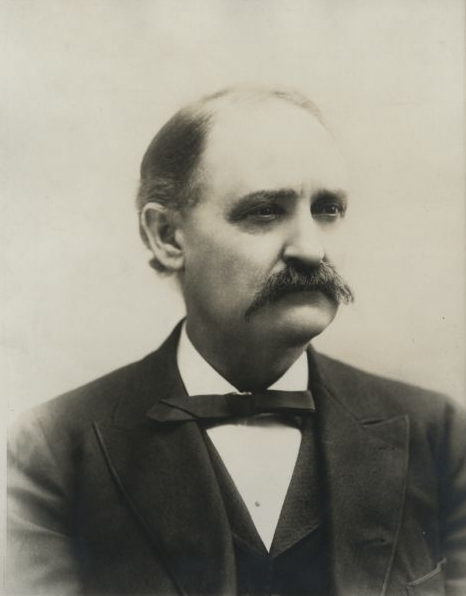
Gilbert Motier Woodward (December 25, 1835 – March 13, 1914) was an American lawyer and politician. He served one term in the United States House of Representatives, representing Wisconsin's 7th congressional district. He was also the 16th mayor of La Crosse, Wisconsin, and the Democratic nominee for Governor of Wisconsin in 1886. During the American Civil War he served as a Union Army officer in the famed Iron Brigade of the Army of the Potomac.
Woodward was born December 25, 1835, in Washington, D.C., and was educated in the common schools. He learned the printing trade working as an apprentice in Baltimore, and worked as a printer and proofreader in Baltimore, Upper Marlboro, and Washington, until 1860. In Washington, he spent most of his time working for the historic National Intelligencer newspaper.
In February 1860 he moved west to Wisconsin and settled at La Crosse. He studied law in the office of Isaac E. Messmore and was admitted to the bar in 1861. Due to the outbreak of the American Civil War, Woodward postponed his plans to start a legal practice and instead enlisted for service in the Union Army.
Woodward joined a company of volunteers known as the "La Crosse Light Guards", which was organized into Company B of the 2nd Wisconsin Infantry Regiment at Camp Randall. The 2nd Wisconsin Infantry mustered into federal service in June 1861 and proceeded to Washington, D.C., for service in the eastern theater of the war.
He was promoted to first sergeant in September 1861, after the First Battle of Bull Run. That Fall, the regiment was organized into a brigade with the 6th Wisconsin, 7th Wisconsin, and 19th Indiana infantry regiments. The brigade would shortly become famous as the Iron Brigade of the Army of the Potomac due to their performance in the Battle of Gainesville in August 1862. Just days before that battle, Woodward was commissioned as second lieutenant of his company.
In the next month, their captain was killed at the Battle of South Mountain and Woodward was promoted to first lieutenant. With his regiment, he went on to participate in the Battle of Antietam in September, then the Battle of Fredericksburg in December 1862 and the Battle of Chancellorsville in the Spring of 1863. Following Chancellorsville, Woodward was appointed adjutant of the regiment, serving Colonel Lucius Fairchild, but was then quickly detailed as an adjutant to the brigade commander, General Solomon Meredith. He was serving on Meredith's staff during the Battle of Gettysburg and was shot in the forearm. After a brief recuperation, he resumed his service as an aide to General Lysander Cutler in the Overland Campaign of 1864 until the expiration of his enlistment on July 2, 1864.
After the war Woodward became active in the legal community in La Crosse and was elected district attorney of La Crosse County in 1865. He was subsequently re-elected three times, serving until January 1874. While serving as district attorney, he formed a law partnership with Samuel S. Burton in 1868, which continued until 1876.
He also became active in state politics. He ran for Wisconsin State Senate in 1872 as a Liberal Republican on the Reform coalition ticket, but was defeated by Republican Gideon Hixon. In the Spring election of 1874, he was narrowly elected mayor of La Crosse, defeating a Republican-Temperance unity ticket led by Sylvester Nevins. He was subsequently elected city attorney and served from 1876 through 1882.
Hub AI
Gilbert M. Woodward AI simulator
(@Gilbert M. Woodward_simulator)
Gilbert M. Woodward
Gilbert Motier Woodward (December 25, 1835 – March 13, 1914) was an American lawyer and politician. He served one term in the United States House of Representatives, representing Wisconsin's 7th congressional district. He was also the 16th mayor of La Crosse, Wisconsin, and the Democratic nominee for Governor of Wisconsin in 1886. During the American Civil War he served as a Union Army officer in the famed Iron Brigade of the Army of the Potomac.
Woodward was born December 25, 1835, in Washington, D.C., and was educated in the common schools. He learned the printing trade working as an apprentice in Baltimore, and worked as a printer and proofreader in Baltimore, Upper Marlboro, and Washington, until 1860. In Washington, he spent most of his time working for the historic National Intelligencer newspaper.
In February 1860 he moved west to Wisconsin and settled at La Crosse. He studied law in the office of Isaac E. Messmore and was admitted to the bar in 1861. Due to the outbreak of the American Civil War, Woodward postponed his plans to start a legal practice and instead enlisted for service in the Union Army.
Woodward joined a company of volunteers known as the "La Crosse Light Guards", which was organized into Company B of the 2nd Wisconsin Infantry Regiment at Camp Randall. The 2nd Wisconsin Infantry mustered into federal service in June 1861 and proceeded to Washington, D.C., for service in the eastern theater of the war.
He was promoted to first sergeant in September 1861, after the First Battle of Bull Run. That Fall, the regiment was organized into a brigade with the 6th Wisconsin, 7th Wisconsin, and 19th Indiana infantry regiments. The brigade would shortly become famous as the Iron Brigade of the Army of the Potomac due to their performance in the Battle of Gainesville in August 1862. Just days before that battle, Woodward was commissioned as second lieutenant of his company.
In the next month, their captain was killed at the Battle of South Mountain and Woodward was promoted to first lieutenant. With his regiment, he went on to participate in the Battle of Antietam in September, then the Battle of Fredericksburg in December 1862 and the Battle of Chancellorsville in the Spring of 1863. Following Chancellorsville, Woodward was appointed adjutant of the regiment, serving Colonel Lucius Fairchild, but was then quickly detailed as an adjutant to the brigade commander, General Solomon Meredith. He was serving on Meredith's staff during the Battle of Gettysburg and was shot in the forearm. After a brief recuperation, he resumed his service as an aide to General Lysander Cutler in the Overland Campaign of 1864 until the expiration of his enlistment on July 2, 1864.
After the war Woodward became active in the legal community in La Crosse and was elected district attorney of La Crosse County in 1865. He was subsequently re-elected three times, serving until January 1874. While serving as district attorney, he formed a law partnership with Samuel S. Burton in 1868, which continued until 1876.
He also became active in state politics. He ran for Wisconsin State Senate in 1872 as a Liberal Republican on the Reform coalition ticket, but was defeated by Republican Gideon Hixon. In the Spring election of 1874, he was narrowly elected mayor of La Crosse, defeating a Republican-Temperance unity ticket led by Sylvester Nevins. He was subsequently elected city attorney and served from 1876 through 1882.
Recent media