



Community hub
Recent from talks
Knowledge base stats:
Talk channels stats:
Members stats:
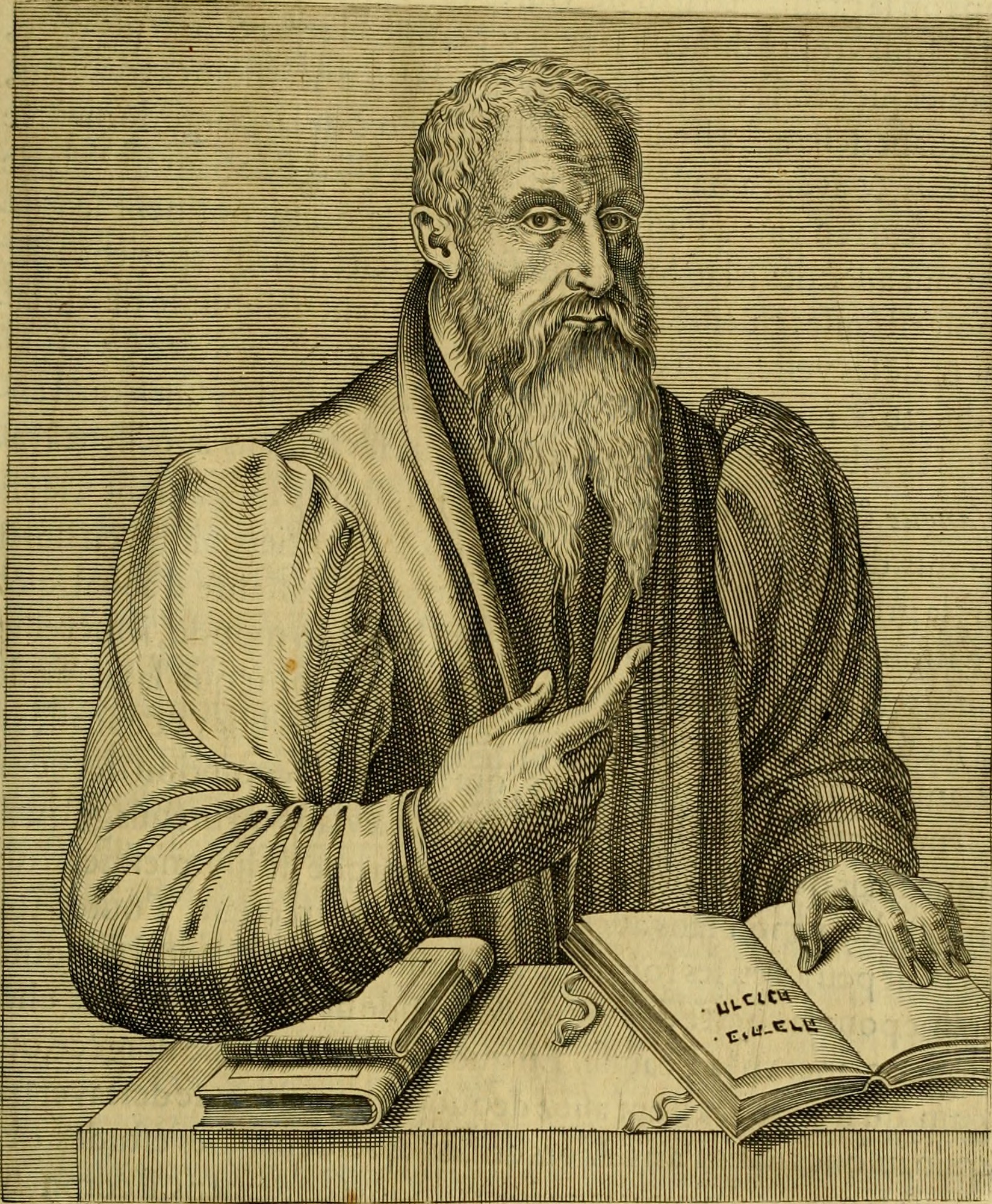
Guillaume Postel
Guillaume Postel (25 March 1510 – 6 September 1581) was a French linguist, Orientalist, astronomer, Christian Kabbalist, diplomat, polyglot, professor, religious universalist, and writer.
Born in the village of Barenton in Normandy, Postel made his way to Paris to further his education. While studying at the Collège Sainte-Barbe, he became acquainted with Ignatius of Loyola and many of the men who would become the founders of the Society of Jesus, retaining a lifelong affiliation with them. He entered Rome in the novitiate of the Jesuits in March 1544, but left on December 9, 1545 before making religious vows.
Postel was adept at Arabic, Hebrew, and Syriac and other Semitic languages, as well as the Classical languages of Ancient Greek and Latin, and soon came to the attention of the French court.[citation needed]
In 1536, when Francis I sought a Franco-Ottoman alliance with the Ottoman Turks, he sent Postel as the official interpreter of the French embassy of Jean de La Forêt to the Ottoman sultan Suleiman the Magnificent in Constantinople. Postel was also apparently assigned to gather interesting Eastern manuscripts for the royal library, today housed in the collection of oriental manuscripts at the Bibliothèque Nationale in Paris.
In Linguarum Duodecim Characteribus Differentium Alphabetum Introductio ("An Introduction to the Alphabetic Characters of Twelve Different Languages"), published in 1538, Postel became the first scholar to recognize the inscriptions on Judean coins from the period of the First Jewish–Roman War as Hebrew written in the ancient "Samaritan" characters.
In 1543, Postel published a criticism of Protestantism, and highlighted parallels between Islam and Protestantism in Alcorani seu legis Mahometi et Evangelistarum concordiae liber ("The book of concord between the Coran and the Evangelicals").
In 1544, in De orbis terrae concordia ("Concerning the Harmony of the Earth"), Postel advocated a universalist world religion. The thesis of the book was that all Jews, Muslims, Hindus, Buddhists and Pagans could be converted to Christianity once all of the religions of the world were shown to have common foundations and that the Christian religion best represented these foundations. He believed these foundations to be the love of God, the praising of God, the love of mankind, and the helping of mankind.
In his De la République des Turcs ("Of the Turkish Republic"), Postel makes a rather positive description of the Ottoman society. His 1553 Des merveilles du monde et principalemẽt des admirables choses des Indes & du nouveau monde is one of the earliest European descriptions of religion in Japan. He interprets Japanese religion in terms of his universalist views on religion, claiming that the indigenous Japanese religion was a form of Christianity and that one could still find evidence of their worship of crucifixes. Such claims about Japanese religion were common in Europe at the time; Postel's writings may have influenced Francis Xavier's expectations of Japan as he traveled there.
Hub AI
Guillaume Postel AI simulator
(@Guillaume Postel_simulator)
Guillaume Postel
Guillaume Postel (25 March 1510 – 6 September 1581) was a French linguist, Orientalist, astronomer, Christian Kabbalist, diplomat, polyglot, professor, religious universalist, and writer.
Born in the village of Barenton in Normandy, Postel made his way to Paris to further his education. While studying at the Collège Sainte-Barbe, he became acquainted with Ignatius of Loyola and many of the men who would become the founders of the Society of Jesus, retaining a lifelong affiliation with them. He entered Rome in the novitiate of the Jesuits in March 1544, but left on December 9, 1545 before making religious vows.
Postel was adept at Arabic, Hebrew, and Syriac and other Semitic languages, as well as the Classical languages of Ancient Greek and Latin, and soon came to the attention of the French court.[citation needed]
In 1536, when Francis I sought a Franco-Ottoman alliance with the Ottoman Turks, he sent Postel as the official interpreter of the French embassy of Jean de La Forêt to the Ottoman sultan Suleiman the Magnificent in Constantinople. Postel was also apparently assigned to gather interesting Eastern manuscripts for the royal library, today housed in the collection of oriental manuscripts at the Bibliothèque Nationale in Paris.
In Linguarum Duodecim Characteribus Differentium Alphabetum Introductio ("An Introduction to the Alphabetic Characters of Twelve Different Languages"), published in 1538, Postel became the first scholar to recognize the inscriptions on Judean coins from the period of the First Jewish–Roman War as Hebrew written in the ancient "Samaritan" characters.
In 1543, Postel published a criticism of Protestantism, and highlighted parallels between Islam and Protestantism in Alcorani seu legis Mahometi et Evangelistarum concordiae liber ("The book of concord between the Coran and the Evangelicals").
In 1544, in De orbis terrae concordia ("Concerning the Harmony of the Earth"), Postel advocated a universalist world religion. The thesis of the book was that all Jews, Muslims, Hindus, Buddhists and Pagans could be converted to Christianity once all of the religions of the world were shown to have common foundations and that the Christian religion best represented these foundations. He believed these foundations to be the love of God, the praising of God, the love of mankind, and the helping of mankind.
In his De la République des Turcs ("Of the Turkish Republic"), Postel makes a rather positive description of the Ottoman society. His 1553 Des merveilles du monde et principalemẽt des admirables choses des Indes & du nouveau monde is one of the earliest European descriptions of religion in Japan. He interprets Japanese religion in terms of his universalist views on religion, claiming that the indigenous Japanese religion was a form of Christianity and that one could still find evidence of their worship of crucifixes. Such claims about Japanese religion were common in Europe at the time; Postel's writings may have influenced Francis Xavier's expectations of Japan as he traveled there.