
Recent from talks
Gujarat Sultanate
Knowledge base stats:
Talk channels stats:
Members stats:
Gujarat Sultanate
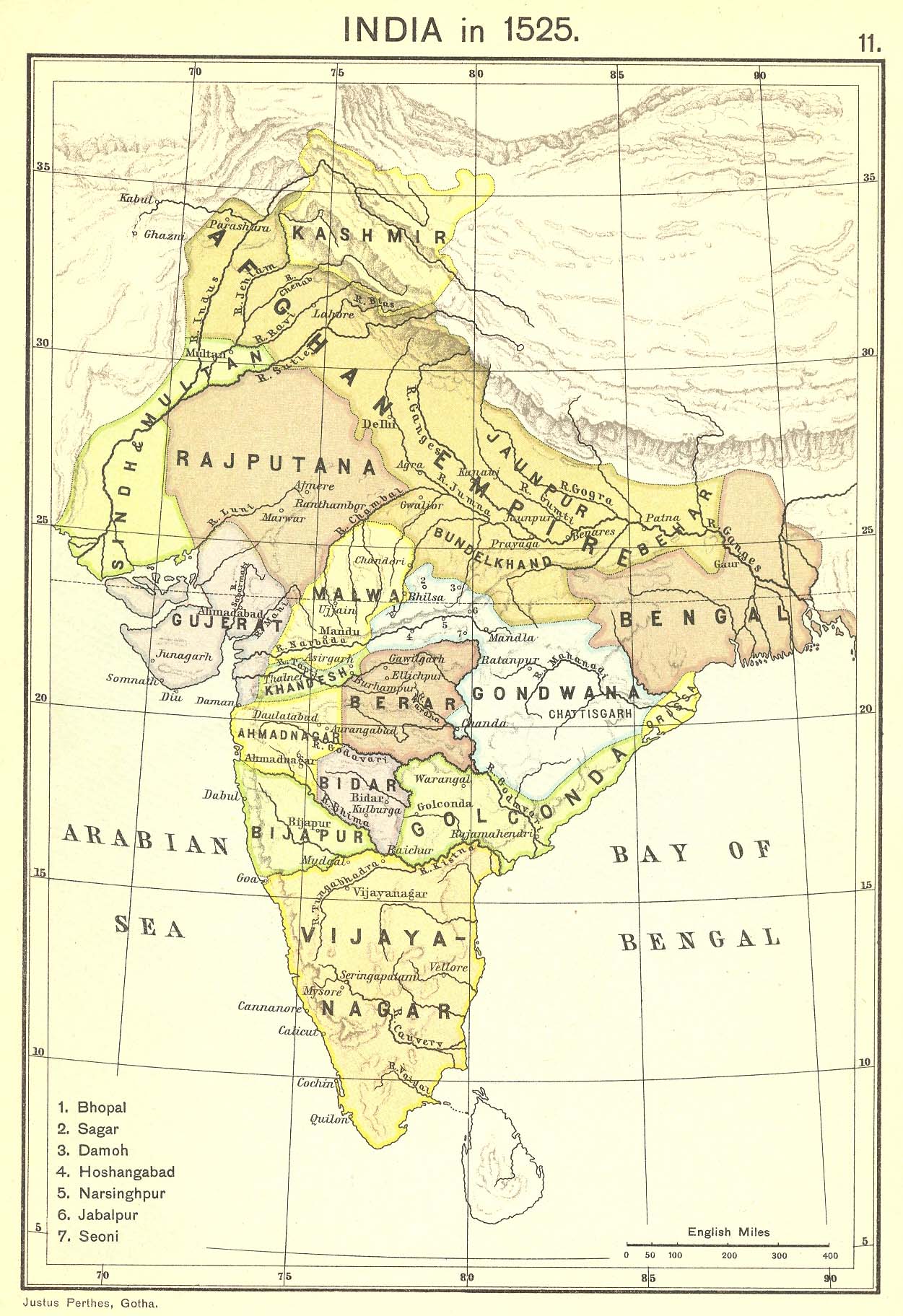
The Gujarat Sultanate or Sultanate of Gujarat was a late medieval Islamic Indian kingdom in Western India, primarily in the present-day state of Gujarat. The kingdom was established in 1394 when Muzaffar Shah I, the Governor of Gujarat, declared independence from the Tughlaq dynasty of Delhi.
Following Timur's invasion of the Delhi Sultanate, Delhi was devastated and its rule weakened considerably, leading Muzaffar Shah to declare himself independent in 1394, and formally established the Sultanate in Gujarat. The next sultan, his grandson Ahmad Shah I, moved the capital to Ahmedabad in 1411. His successor Muhammad Shah II subdued most Rajput chieftains. The prosperity of the sultanate reached its zenith during the rule of Mahmud Begada. He also subdued most Gujarati Rajput chieftains and built a navy off the coast of Diu.
In 1509, the Portuguese Empire wrested Diu from the Sultanate in the Battle of Diu (1509). The Mughal emperor Humayun attacked Gujarat in 1535 and briefly occupied it, during which Bombay, Bassein & Daman would become a Portuguese colony, thereafter Bahadur Shah was killed by the Portuguese while making a deal in 1537. The end of the sultanate came in 1573, when Akbar annexed the Gujarat Sultanate into his empire. The last ruler, Muzaffar Shah III, was taken a prisoner to Agra. In 1583, he escaped from the prison, and with the help of the nobles, succeeded to regain the throne for a short period before being defeated by Akbar's minister Abdul Rahim Khan-i-Khanan.
The Muzaffarid dynasty of Gujarat was founded by Zafar Khan, who was later titled Muzaffar Shah I. According to various historical sources and scholarism, Zafar Khan was of indigenous Indian origins. There have been various claims from medieval to modern historians about their origin. According to Sikandar Ibn Manjhu, author of the 16th-century chronicle Mir’āt-i-Sikandarī, Zafar Khan belonged to a sect of the Khatris known as Tanks. The Tanks and Khatris were one community, later separated when the former were expelled for their fondness for drinking. On the basis of this account, modern historians such as André Wink and S.C. Misra, and others claim that Zafar Khan hailed from the Tank (Persian tāk or tānk) subdivision of the Khatri caste, originally from Punjab, though he was born in Delhi.
However, some historians such as Aparna Kapadia offer another account, asserting that Sahāran (also spelled Sadhāran), the father of Zafar Khan, was a Tank Rajput who originally lived in Thanesar in present-day Haryana. There have been other historians who also suggest the Tanks were of Rajput origin. Kapadia also highlights that the Gujarati historian Sikandar recounts that the Tanks were once Hindu Khatris who were expelled from their original community due to adopting the habit of wine drinking. Meanwhile, some scholars interpret the Tank Rajputs as likely considered a lower or ignoble class of Rajputs, as suggested by Misra.
In contrast, some other historians, such as Richard M. Eaton, describe Zafar Khan simply as the son of a "peasant convert to Islam," while historians like V.K. Agnihotri and Saiyid Athar Abbas Rizvi identify Sadhāran as a Jat convert to Islam rather than Rajput or Khatri.
Some modern historians identify Zafar Khan’s family with the Kalal tribe, traditionally a wine-brewing and selling caste.. These historians include Kiran Pawar and Shauqat Ali Khan.. Medieval historians like Ibn Battuta and Ziauddin Barani, who lived between 13th and 14th century mentioned the origin of Kalals as Khumars or vinteners in Persian. Later, medieval historians described them with their Hindustani name, Kalal. Originally non-Muslims, their conversion to Islam is linked to a marriage alliance between Sahāran's sister and Sultan Firoz Shah Tughlaq, which facilitated the family’s rise in status and influence.
It is said that Zafar Khan's father Wajih-ul-Mulk (Saharan) and his brother were influential Chaudharis who were agriculturists by profession but could also muster thousands of fighting men on their call. Delhi Sultan Firuz Shah Tughluq appointed Malik Mufarrah, also known as Farhat-ul-Mulk and Rasti Khan governor of Gujarat in 1377. In 1387, Sikandar Khan was sent to replace him, but he was defeated and killed by Farhat-ul-Mulk. In 1391, Sultan Nasir-ud-Din Muhammad bin Tughluq appointed Zafar Khan, the son of Wajih-ul-Mulk as governor of Gujarat and conferred him the title of Muzaffar Khan (r. 1391–1403, 1404–1411). In 1392, he defeated Farhat-ul-Mulk in the battle of Kamboi, near Anhilwada Patan and occupied the city of Anhilwada Patan.
Hub AI
Gujarat Sultanate AI simulator
(@Gujarat Sultanate_simulator)
Gujarat Sultanate
The Gujarat Sultanate or Sultanate of Gujarat was a late medieval Islamic Indian kingdom in Western India, primarily in the present-day state of Gujarat. The kingdom was established in 1394 when Muzaffar Shah I, the Governor of Gujarat, declared independence from the Tughlaq dynasty of Delhi.
Following Timur's invasion of the Delhi Sultanate, Delhi was devastated and its rule weakened considerably, leading Muzaffar Shah to declare himself independent in 1394, and formally established the Sultanate in Gujarat. The next sultan, his grandson Ahmad Shah I, moved the capital to Ahmedabad in 1411. His successor Muhammad Shah II subdued most Rajput chieftains. The prosperity of the sultanate reached its zenith during the rule of Mahmud Begada. He also subdued most Gujarati Rajput chieftains and built a navy off the coast of Diu.
In 1509, the Portuguese Empire wrested Diu from the Sultanate in the Battle of Diu (1509). The Mughal emperor Humayun attacked Gujarat in 1535 and briefly occupied it, during which Bombay, Bassein & Daman would become a Portuguese colony, thereafter Bahadur Shah was killed by the Portuguese while making a deal in 1537. The end of the sultanate came in 1573, when Akbar annexed the Gujarat Sultanate into his empire. The last ruler, Muzaffar Shah III, was taken a prisoner to Agra. In 1583, he escaped from the prison, and with the help of the nobles, succeeded to regain the throne for a short period before being defeated by Akbar's minister Abdul Rahim Khan-i-Khanan.
The Muzaffarid dynasty of Gujarat was founded by Zafar Khan, who was later titled Muzaffar Shah I. According to various historical sources and scholarism, Zafar Khan was of indigenous Indian origins. There have been various claims from medieval to modern historians about their origin. According to Sikandar Ibn Manjhu, author of the 16th-century chronicle Mir’āt-i-Sikandarī, Zafar Khan belonged to a sect of the Khatris known as Tanks. The Tanks and Khatris were one community, later separated when the former were expelled for their fondness for drinking. On the basis of this account, modern historians such as André Wink and S.C. Misra, and others claim that Zafar Khan hailed from the Tank (Persian tāk or tānk) subdivision of the Khatri caste, originally from Punjab, though he was born in Delhi.
However, some historians such as Aparna Kapadia offer another account, asserting that Sahāran (also spelled Sadhāran), the father of Zafar Khan, was a Tank Rajput who originally lived in Thanesar in present-day Haryana. There have been other historians who also suggest the Tanks were of Rajput origin. Kapadia also highlights that the Gujarati historian Sikandar recounts that the Tanks were once Hindu Khatris who were expelled from their original community due to adopting the habit of wine drinking. Meanwhile, some scholars interpret the Tank Rajputs as likely considered a lower or ignoble class of Rajputs, as suggested by Misra.
In contrast, some other historians, such as Richard M. Eaton, describe Zafar Khan simply as the son of a "peasant convert to Islam," while historians like V.K. Agnihotri and Saiyid Athar Abbas Rizvi identify Sadhāran as a Jat convert to Islam rather than Rajput or Khatri.
Some modern historians identify Zafar Khan’s family with the Kalal tribe, traditionally a wine-brewing and selling caste.. These historians include Kiran Pawar and Shauqat Ali Khan.. Medieval historians like Ibn Battuta and Ziauddin Barani, who lived between 13th and 14th century mentioned the origin of Kalals as Khumars or vinteners in Persian. Later, medieval historians described them with their Hindustani name, Kalal. Originally non-Muslims, their conversion to Islam is linked to a marriage alliance between Sahāran's sister and Sultan Firoz Shah Tughlaq, which facilitated the family’s rise in status and influence.
It is said that Zafar Khan's father Wajih-ul-Mulk (Saharan) and his brother were influential Chaudharis who were agriculturists by profession but could also muster thousands of fighting men on their call. Delhi Sultan Firuz Shah Tughluq appointed Malik Mufarrah, also known as Farhat-ul-Mulk and Rasti Khan governor of Gujarat in 1377. In 1387, Sikandar Khan was sent to replace him, but he was defeated and killed by Farhat-ul-Mulk. In 1391, Sultan Nasir-ud-Din Muhammad bin Tughluq appointed Zafar Khan, the son of Wajih-ul-Mulk as governor of Gujarat and conferred him the title of Muzaffar Khan (r. 1391–1403, 1404–1411). In 1392, he defeated Farhat-ul-Mulk in the battle of Kamboi, near Anhilwada Patan and occupied the city of Anhilwada Patan.
Recent media