
Recent from talks
Hannie Schaft
Knowledge base stats:
Talk channels stats:
Members stats:
Hannie Schaft
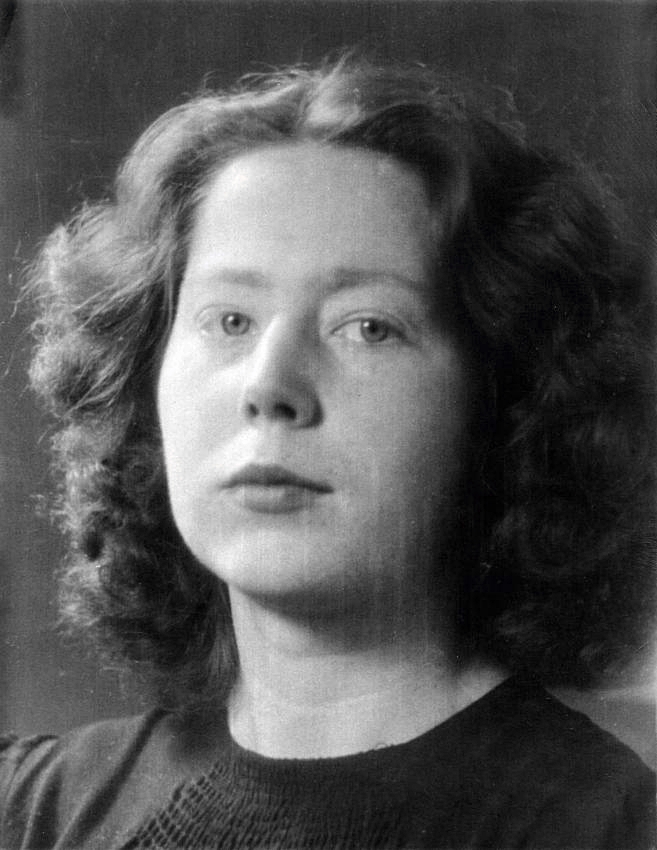
Jannetje Johanna (Jo) Schaft (16 September 1920 – 17 April 1945) was a Dutch resistance fighter during World War II. She became known as "the girl with the red hair" (Dutch: het meisje met het rode haar, German: das Mädchen mit dem roten Haar). Her secret name in the resistance movement was "Hannie".
Jannetje Johanna Schaft was born in Haarlem, the capital of the province of North Holland. Her mother, Aafje Talea Schaft (born Vrijer) was a Mennonite and her father, Pieter Schaft, a teacher, was attached to the Social Democratic Workers' Party. The two were very protective of Schaft because of the death due to diphtheria of her older sister Anna in 1927.
From a young age, Schaft discussed politics and issues of justice with her family, which encouraged her to pursue law and become a human rights lawyer. After high school in Haarlem, Schaft started studying law in 1938 at the University of Amsterdam. She became friends with the Jewish students Sonja Frenk and Philine Polak. This made her feel strongly about actions against Jews. During the German occupation of the Netherlands in World War II, Schaft started volunteer work with the Red Cross, where she rolled bandages, assembled first aid kits for soldiers, and assisted German refugees. In 1943, university students were required to sign a declaration of allegiance to the occupation authorities. When Schaft refused to sign the petition in support of the occupation forces, like 80% of the other students, she could not continue her studies. In the summer of 1943 she moved in with her parents again, taking Frenk and Polak with her who went into hiding and helping them get false identity cards.
Schaft's resistance work started with small acts. First, she would steal ID cards for Jewish residents (including her friends). Upon leaving university, she joined the Raad van Verzet ('Council of Resistance'), a resistance movement that had close ties to the Communist Party of the Netherlands. There she met two sisters, Truus and Freddie Oversteegen, who became her close friends and would survive the war. Rather than act as a courier, Schaft wanted to work with weapons. She was responsible for sabotaging and assassinating various targets. She carried out attacks on Germans, Dutch Nazis, collaborators and traitors. She learned to speak German fluently and became involved with German soldiers. Before facing her targets, Schaft put on makeup — including lipstick and mascara — and styled her hair. In one of the few direct quotations that have been attributed to Schaft, she explained to Truus Oversteegen: “I’ll die clean and beautiful.”
Schaft did not, however, accept every assignment. When asked to kidnap the children of a Nazi official she refused. If the plan had failed, the children would have to be killed, and Schaft felt that was too similar to the Nazis' acts of terror. When seen at the location of a particular assassination, Schaft was identified as "the girl with the red hair". Her involvement led "the girl with the red hair" to be placed on the Nazis' most-wanted list.
On 21 June 1944, Schaft and Jan Bonekamp, a friend in the resistance, carried out an assassination in Zaandam on Dutch police officer and collaborator Willem Ragut. Schaft fired first and hit Ragut in the back. Bonekamp was shot in the stomach by Ragut before killing him. Mortally wounded, Bonekamp fled the scene but was arrested shortly afterwards and taken to hospital. There he inadvertently gave Schaft's name and address to Dutch Nazi nurses feigning to be Resistance workers. To force Schaft to confess, German authorities arrested her parents and sent them to the Herzogenbusch concentration camp near the city of Den Bosch. The distress of this situation and her grief over Bonekamp's death forced Schaft to cease resistance work temporarily. Her parents were released after nine months.
When she resumed her Resistance work, Schaft dyed her hair black and wore glasses to hide her identity. She once again contributed to assassinations and sabotage, as well as courier work, and the transportation of illegal weapons and the dissemination of illegal newspapers. Hannie Schaft and Truus Oversteegen were planning to liquidate NSB member and Haarlem policeman Fake Krist (in Dutch) on 25 October 1944, but other Haarlem resistance fighters were ahead of them.
On 1 March 1945, NSB police officer Willem Zirkzee was killed by Hannie Schaft and Truus Oversteegen, near the Krelagehuis on the Leidsevaart in Haarlem. On 15 March they wounded Ko Langendijk, a hairdresser from IJmuiden who worked for the Sicherheitsdienst (SD), a Nazi intelligence agency. He survived the attack and in 1948 he testified in Amsterdam for the benefit of his Velser girlfriend, the traitor Nelly Willy van der Meijden. In 1949 he was sentenced to life imprisonment.
Hub AI
Hannie Schaft AI simulator
(@Hannie Schaft_simulator)
Hannie Schaft
Jannetje Johanna (Jo) Schaft (16 September 1920 – 17 April 1945) was a Dutch resistance fighter during World War II. She became known as "the girl with the red hair" (Dutch: het meisje met het rode haar, German: das Mädchen mit dem roten Haar). Her secret name in the resistance movement was "Hannie".
Jannetje Johanna Schaft was born in Haarlem, the capital of the province of North Holland. Her mother, Aafje Talea Schaft (born Vrijer) was a Mennonite and her father, Pieter Schaft, a teacher, was attached to the Social Democratic Workers' Party. The two were very protective of Schaft because of the death due to diphtheria of her older sister Anna in 1927.
From a young age, Schaft discussed politics and issues of justice with her family, which encouraged her to pursue law and become a human rights lawyer. After high school in Haarlem, Schaft started studying law in 1938 at the University of Amsterdam. She became friends with the Jewish students Sonja Frenk and Philine Polak. This made her feel strongly about actions against Jews. During the German occupation of the Netherlands in World War II, Schaft started volunteer work with the Red Cross, where she rolled bandages, assembled first aid kits for soldiers, and assisted German refugees. In 1943, university students were required to sign a declaration of allegiance to the occupation authorities. When Schaft refused to sign the petition in support of the occupation forces, like 80% of the other students, she could not continue her studies. In the summer of 1943 she moved in with her parents again, taking Frenk and Polak with her who went into hiding and helping them get false identity cards.
Schaft's resistance work started with small acts. First, she would steal ID cards for Jewish residents (including her friends). Upon leaving university, she joined the Raad van Verzet ('Council of Resistance'), a resistance movement that had close ties to the Communist Party of the Netherlands. There she met two sisters, Truus and Freddie Oversteegen, who became her close friends and would survive the war. Rather than act as a courier, Schaft wanted to work with weapons. She was responsible for sabotaging and assassinating various targets. She carried out attacks on Germans, Dutch Nazis, collaborators and traitors. She learned to speak German fluently and became involved with German soldiers. Before facing her targets, Schaft put on makeup — including lipstick and mascara — and styled her hair. In one of the few direct quotations that have been attributed to Schaft, she explained to Truus Oversteegen: “I’ll die clean and beautiful.”
Schaft did not, however, accept every assignment. When asked to kidnap the children of a Nazi official she refused. If the plan had failed, the children would have to be killed, and Schaft felt that was too similar to the Nazis' acts of terror. When seen at the location of a particular assassination, Schaft was identified as "the girl with the red hair". Her involvement led "the girl with the red hair" to be placed on the Nazis' most-wanted list.
On 21 June 1944, Schaft and Jan Bonekamp, a friend in the resistance, carried out an assassination in Zaandam on Dutch police officer and collaborator Willem Ragut. Schaft fired first and hit Ragut in the back. Bonekamp was shot in the stomach by Ragut before killing him. Mortally wounded, Bonekamp fled the scene but was arrested shortly afterwards and taken to hospital. There he inadvertently gave Schaft's name and address to Dutch Nazi nurses feigning to be Resistance workers. To force Schaft to confess, German authorities arrested her parents and sent them to the Herzogenbusch concentration camp near the city of Den Bosch. The distress of this situation and her grief over Bonekamp's death forced Schaft to cease resistance work temporarily. Her parents were released after nine months.
When she resumed her Resistance work, Schaft dyed her hair black and wore glasses to hide her identity. She once again contributed to assassinations and sabotage, as well as courier work, and the transportation of illegal weapons and the dissemination of illegal newspapers. Hannie Schaft and Truus Oversteegen were planning to liquidate NSB member and Haarlem policeman Fake Krist (in Dutch) on 25 October 1944, but other Haarlem resistance fighters were ahead of them.
On 1 March 1945, NSB police officer Willem Zirkzee was killed by Hannie Schaft and Truus Oversteegen, near the Krelagehuis on the Leidsevaart in Haarlem. On 15 March they wounded Ko Langendijk, a hairdresser from IJmuiden who worked for the Sicherheitsdienst (SD), a Nazi intelligence agency. He survived the attack and in 1948 he testified in Amsterdam for the benefit of his Velser girlfriend, the traitor Nelly Willy van der Meijden. In 1949 he was sentenced to life imprisonment.
Recent media