



Community hub
Recent from talks
Knowledge base stats:
Talk channels stats:
Members stats:
Harriet Lane
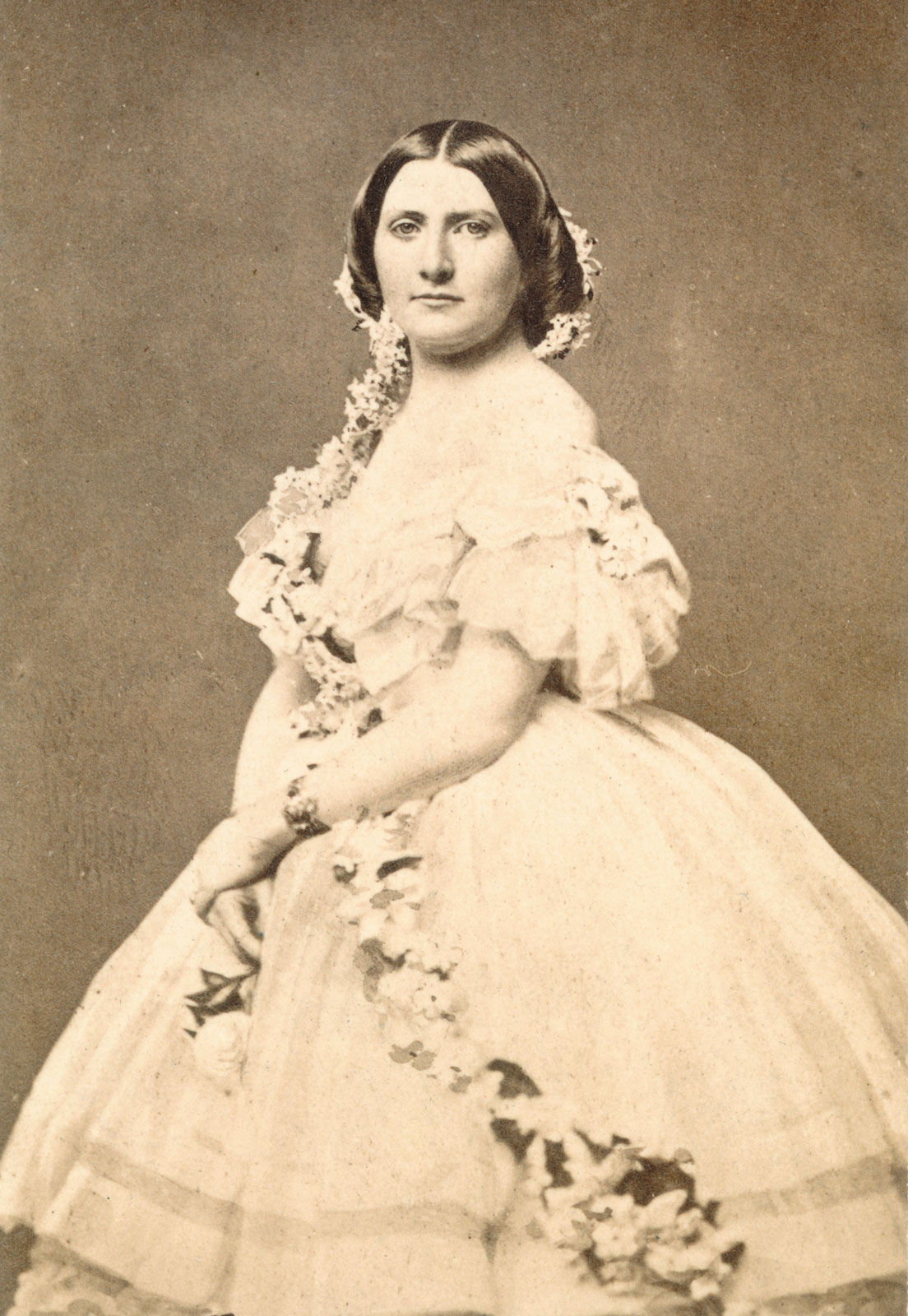
Harriet Rebecca Lane Johnston (May 9, 1830 – July 3, 1903) acted as first lady of the United States during the administration of her uncle, president James Buchanan, from 1857 to 1861. She has been described as the first of the modern first ladies, being a diplomatic hostess, whose dress-styles were copied, and who promoted deserving causes. In her will, she left funds for a new school on the grounds of Washington National Cathedral. Several ships have been named in her honor, including the cutter USCGC Harriet Lane, still in service.
Lane is the only person to have served as First Lady to a bachelor president, Buchanan being the only U.S. president never to have married. She is among 11 women who have served as First Lady, but were not married to the president, with most of the other women being relatives of widowed presidents.[citation needed]
Harriet Lane's family was from Franklin County, Pennsylvania. She was the youngest child of Elliott Tole Lane, a merchant, and Jane Ann Buchanan Lane. She lost her mother when she was nine; when her father's death two years later made her an orphan, she requested that her favorite uncle, James Buchanan, be appointed as her legal guardian. Buchanan, an unmarried Democratic senator from Pennsylvania, indulged his niece and her sister, enrolling them in boarding schools in Charles Town, Virginia (later for two years at the Georgetown Visitation Monastery in the Georgetown section of Washington, D.C.). By this time, Buchanan was Secretary of State, and, as he had promised, he introduced her to fashionable and political circles.
In 1854, she joined him in London, where he was minister to the Court of St. James's. Queen Victoria gave "dear Miss Lane" the rank of ambassador's wife; admiring suitors gave her the fame of a beauty. In appearance, "Hal" Lane was of medium height, with masses of light, almost golden-colored hair. She had eyes that were described as "violet colored".
The capital welcomed its new "Democratic Queen" to the White House in 1857. Harriet was a popular hostess during the four years of the Buchanan presidency. Women copied her hair and clothing styles (especially when she lowered the neckline on her inaugural gown by 2.5 inches), parents named their daughters for her, and a popular song ("Listen to the Mockingbird") was dedicated to her. While in the White House, she used her position to promote social causes, such as improving the living conditions of Native Americans in reservations. She also made a point of inviting artists and musicians to White House functions. For both her popularity and her advocacy work, she has been described as the first of the modern first ladies, and her popularity at the time is compared to that of Jacqueline Kennedy in the 1960s. The presidential yacht was named for her—the first of several ships to be named after her, one of which remains in service.
As sectional tensions increased, she worked out seating arrangements for her weekly formal dinner parties with special care, to give dignitaries their proper precedence and still keep political foes apart. Her tact did not falter, but her task became impossible—as did her uncle's. Seven states had seceded by the time Buchanan retired from office and returned with his niece to his spacious country home, Wheatland, near Lancaster, Pennsylvania.
In the 1982 Siena College Research Institute survey asking historians to assess American first ladies, Lane and several other "acting" first ladies were included. The first ladies survey, which has been conducted periodically since, ranks first ladies according to a cumulative score on the independent criteria of their background, value to the country, intelligence, courage, accomplishments, integrity, leadership, being their own women, public image, and value to the president. In the 1982 survey, out of 42 first ladies and acting first ladies, Lane was assessed as the 29th most highly regarded among historians. Acting first ladies such as Lane have been excluded from subsequent iterations of this survey.
During her time in England, Sir Fitzroy Kelly, then Prime Minister Palmerston's attorney general, proposed marriage to her; Queen Victoria was strongly in favor of this match, as it would keep Lane in England.
Hub AI
Harriet Lane AI simulator
(@Harriet Lane_simulator)
Harriet Lane
Harriet Rebecca Lane Johnston (May 9, 1830 – July 3, 1903) acted as first lady of the United States during the administration of her uncle, president James Buchanan, from 1857 to 1861. She has been described as the first of the modern first ladies, being a diplomatic hostess, whose dress-styles were copied, and who promoted deserving causes. In her will, she left funds for a new school on the grounds of Washington National Cathedral. Several ships have been named in her honor, including the cutter USCGC Harriet Lane, still in service.
Lane is the only person to have served as First Lady to a bachelor president, Buchanan being the only U.S. president never to have married. She is among 11 women who have served as First Lady, but were not married to the president, with most of the other women being relatives of widowed presidents.[citation needed]
Harriet Lane's family was from Franklin County, Pennsylvania. She was the youngest child of Elliott Tole Lane, a merchant, and Jane Ann Buchanan Lane. She lost her mother when she was nine; when her father's death two years later made her an orphan, she requested that her favorite uncle, James Buchanan, be appointed as her legal guardian. Buchanan, an unmarried Democratic senator from Pennsylvania, indulged his niece and her sister, enrolling them in boarding schools in Charles Town, Virginia (later for two years at the Georgetown Visitation Monastery in the Georgetown section of Washington, D.C.). By this time, Buchanan was Secretary of State, and, as he had promised, he introduced her to fashionable and political circles.
In 1854, she joined him in London, where he was minister to the Court of St. James's. Queen Victoria gave "dear Miss Lane" the rank of ambassador's wife; admiring suitors gave her the fame of a beauty. In appearance, "Hal" Lane was of medium height, with masses of light, almost golden-colored hair. She had eyes that were described as "violet colored".
The capital welcomed its new "Democratic Queen" to the White House in 1857. Harriet was a popular hostess during the four years of the Buchanan presidency. Women copied her hair and clothing styles (especially when she lowered the neckline on her inaugural gown by 2.5 inches), parents named their daughters for her, and a popular song ("Listen to the Mockingbird") was dedicated to her. While in the White House, she used her position to promote social causes, such as improving the living conditions of Native Americans in reservations. She also made a point of inviting artists and musicians to White House functions. For both her popularity and her advocacy work, she has been described as the first of the modern first ladies, and her popularity at the time is compared to that of Jacqueline Kennedy in the 1960s. The presidential yacht was named for her—the first of several ships to be named after her, one of which remains in service.
As sectional tensions increased, she worked out seating arrangements for her weekly formal dinner parties with special care, to give dignitaries their proper precedence and still keep political foes apart. Her tact did not falter, but her task became impossible—as did her uncle's. Seven states had seceded by the time Buchanan retired from office and returned with his niece to his spacious country home, Wheatland, near Lancaster, Pennsylvania.
In the 1982 Siena College Research Institute survey asking historians to assess American first ladies, Lane and several other "acting" first ladies were included. The first ladies survey, which has been conducted periodically since, ranks first ladies according to a cumulative score on the independent criteria of their background, value to the country, intelligence, courage, accomplishments, integrity, leadership, being their own women, public image, and value to the president. In the 1982 survey, out of 42 first ladies and acting first ladies, Lane was assessed as the 29th most highly regarded among historians. Acting first ladies such as Lane have been excluded from subsequent iterations of this survey.
During her time in England, Sir Fitzroy Kelly, then Prime Minister Palmerston's attorney general, proposed marriage to her; Queen Victoria was strongly in favor of this match, as it would keep Lane in England.