
Recent from talks
Helen Twelvetrees
Knowledge base stats:
Talk channels stats:
Members stats:
Helen Twelvetrees
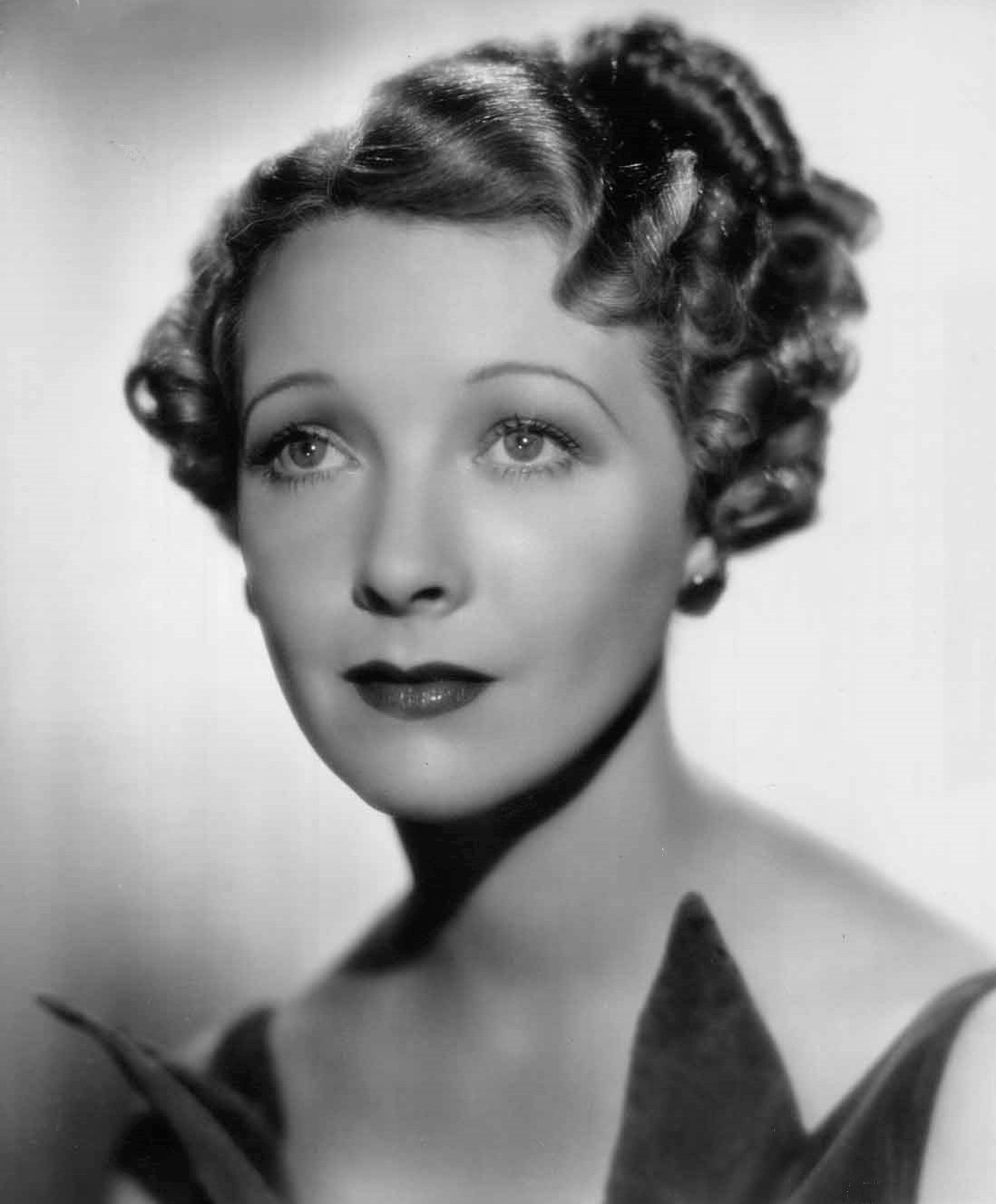
Helen Marie Twelvetrees (née Jurgens; December 25, 1908 – February 13, 1958) was an American actress. She starred in Hollywood films in the sound film era from 1929 to 1939. Many of her roles were of "suffering women,” which reflected her tumultuous personal life. She has a star on the Hollywood Walk of Fame located at 6263 Hollywood Blvd.
Helen Marie Jurgens was born in Brooklyn, where she attended Public School 119. Her family moved to Flatbush, where her younger brother was born. In the winter of 1919, the family's apartment caught fire and her brother perished.[citation needed]
She attended Brooklyn Heights Seminary and then the Art Students League of New York, where she studied for a year before enrolling at the American Academy of Dramatic Arts. While attending AADA, she met actor Clark Twelvetrees, whom she married at age 19 in 1927. She adopted her husband's surname and used it as her professional name.
With some stage experience, Twelvetrees went to Hollywood with a number of other actors to replace the silent stars who could not or would not make the transition to talkies. Her first job was with Fox Film Corporation, and she appeared in The Ghost Talks (1929). After three films with Fox, she was released from her contract. However, she was signed by Pathé shortly thereafter, and along with Constance Bennett and Ann Harding, Twelvetrees starred in several lachrymose dramas, not all of which were critically acclaimed.
When Pathé was absorbed by RKO Radio Pictures, she found herself at various times miscast in mediocre films. With the arrival of Katharine Hepburn at RKO, Twelvetrees left the studio to freelance (Harding and Bennett would also subsequently depart).
The 1930 film Her Man set the course of Twelvetrees' screen career, and she was cast in a series of roles portraying suffering women fighting for the wrong men. Later she appeared with Spencer Tracy in Now I'll Tell (also known as When New York Sleeps); with Donald Cook in The Spanish Cape Mystery; and with Maurice Chevalier in Paramount's A Bedtime Story. She also starred in two Metro-Goldwyn-Mayer films, which prompted author John Douglas Eames to note that she "had a gift for projecting emotional force with minimal visible effort."
In 1936, Twelvetrees traveled to Australia to star in the Cinesound Studios production Thoroughbred, about the rise of a Melbourne Cup winning racehorse. The film was produced at Cinesound Studios in Bondi Junction. After filming completed, Twelvetrees returned home to Brooklyn, where she fell ill. After a slow recovery, she returned to acting in the USO production of The Man Who Came to Dinner. She made her final two films, Persons in Hiding and Unmarried, in 1939.
Twelvetrees left film in favor of summer stock and made her Broadway debut in Jacques Deval's Boudoir in 1941. The play folded after only 11 performances, and she largely retired after marrying for a third time. She continued to act occasionally, such as in the role of Blanche DuBois in A Streetcar Named Desire in summer stock in Sea Cliff, New York in August 1951. Fellow cast member Naomi Caryl recalled that Twelvetrees had "... the saddest eyes I'd ever seen ... it was also obvious that she had an extremely fragile psyche."
Hub AI
Helen Twelvetrees AI simulator
(@Helen Twelvetrees_simulator)
Helen Twelvetrees
Helen Marie Twelvetrees (née Jurgens; December 25, 1908 – February 13, 1958) was an American actress. She starred in Hollywood films in the sound film era from 1929 to 1939. Many of her roles were of "suffering women,” which reflected her tumultuous personal life. She has a star on the Hollywood Walk of Fame located at 6263 Hollywood Blvd.
Helen Marie Jurgens was born in Brooklyn, where she attended Public School 119. Her family moved to Flatbush, where her younger brother was born. In the winter of 1919, the family's apartment caught fire and her brother perished.[citation needed]
She attended Brooklyn Heights Seminary and then the Art Students League of New York, where she studied for a year before enrolling at the American Academy of Dramatic Arts. While attending AADA, she met actor Clark Twelvetrees, whom she married at age 19 in 1927. She adopted her husband's surname and used it as her professional name.
With some stage experience, Twelvetrees went to Hollywood with a number of other actors to replace the silent stars who could not or would not make the transition to talkies. Her first job was with Fox Film Corporation, and she appeared in The Ghost Talks (1929). After three films with Fox, she was released from her contract. However, she was signed by Pathé shortly thereafter, and along with Constance Bennett and Ann Harding, Twelvetrees starred in several lachrymose dramas, not all of which were critically acclaimed.
When Pathé was absorbed by RKO Radio Pictures, she found herself at various times miscast in mediocre films. With the arrival of Katharine Hepburn at RKO, Twelvetrees left the studio to freelance (Harding and Bennett would also subsequently depart).
The 1930 film Her Man set the course of Twelvetrees' screen career, and she was cast in a series of roles portraying suffering women fighting for the wrong men. Later she appeared with Spencer Tracy in Now I'll Tell (also known as When New York Sleeps); with Donald Cook in The Spanish Cape Mystery; and with Maurice Chevalier in Paramount's A Bedtime Story. She also starred in two Metro-Goldwyn-Mayer films, which prompted author John Douglas Eames to note that she "had a gift for projecting emotional force with minimal visible effort."
In 1936, Twelvetrees traveled to Australia to star in the Cinesound Studios production Thoroughbred, about the rise of a Melbourne Cup winning racehorse. The film was produced at Cinesound Studios in Bondi Junction. After filming completed, Twelvetrees returned home to Brooklyn, where she fell ill. After a slow recovery, she returned to acting in the USO production of The Man Who Came to Dinner. She made her final two films, Persons in Hiding and Unmarried, in 1939.
Twelvetrees left film in favor of summer stock and made her Broadway debut in Jacques Deval's Boudoir in 1941. The play folded after only 11 performances, and she largely retired after marrying for a third time. She continued to act occasionally, such as in the role of Blanche DuBois in A Streetcar Named Desire in summer stock in Sea Cliff, New York in August 1951. Fellow cast member Naomi Caryl recalled that Twelvetrees had "... the saddest eyes I'd ever seen ... it was also obvious that she had an extremely fragile psyche."
Recent media