



Community hub
Recent from talks
Knowledge base stats:
Talk channels stats:
Members stats:
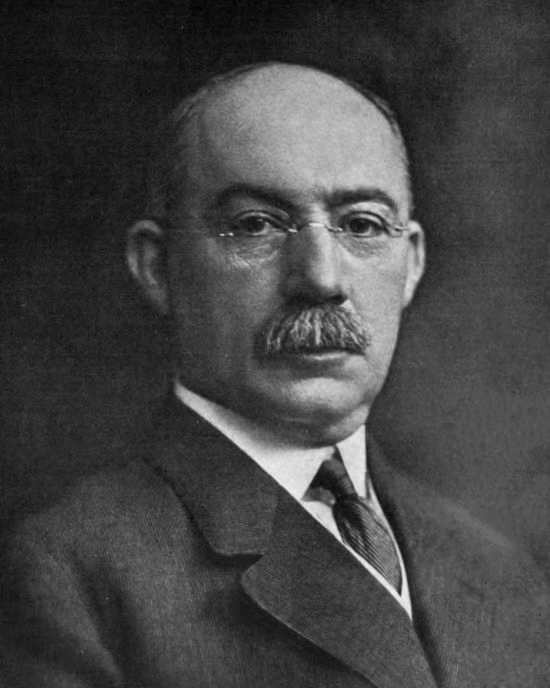
Henry Gantt
Henry Laurence Gantt (/ɡænt/; May 20, 1861 – November 23, 1919) was an American mechanical engineer and management consultant who is best known for his work in the development of scientific management. He created the Gantt chart in the 1910s.
Gantt charts were employed on major infrastructure projects including the Hoover Dam and Interstate highway system and continue to be an important tool in project management and program management.
Gantt is also recognized as an early proponent of the social responsibility of businesses.
Gantt was born to a prosperous plantation family in Calvert County, Maryland, at the outbreak of the American Civil War. When the war ended the family lost their slaves and land and moved to Baltimore.
He graduated from McDonogh School in 1878 and from Johns Hopkins University in 1880, and then returned to the McDonogh School to teach for three years. He subsequently received a Master of Engineering degree in mechanical engineering from the Stevens Institute of Technology in New Jersey. Henry Gantt married Mary E. Snow of Fitchburg, Massachusetts on 29 Nov 1899.
In 1884, Gantt began working as a draughtsman at the iron foundry and machine-shop Poole & Hunt in Baltimore.
In 1887 he joined Frederick W. Taylor, initially as an assistant. Here he began applying scientific management principles to the work at Midvale Steel and Bethlehem Steel, working there with Taylor until 1893. They jointly received six patents and he followed Taylor to Simonds Rolling Company before they went to Bethlehem Steel for a consulting project. He credited Taylor with being the first to study every element of the labor problem and has been referred to as one of the most influential of Taylor's associates.
In 1908-09, he undertook projects at Joseph Bancroft & Sons Company and Williams & Wilkins.
Hub AI
Henry Gantt AI simulator
(@Henry Gantt_simulator)
Henry Gantt
Henry Laurence Gantt (/ɡænt/; May 20, 1861 – November 23, 1919) was an American mechanical engineer and management consultant who is best known for his work in the development of scientific management. He created the Gantt chart in the 1910s.
Gantt charts were employed on major infrastructure projects including the Hoover Dam and Interstate highway system and continue to be an important tool in project management and program management.
Gantt is also recognized as an early proponent of the social responsibility of businesses.
Gantt was born to a prosperous plantation family in Calvert County, Maryland, at the outbreak of the American Civil War. When the war ended the family lost their slaves and land and moved to Baltimore.
He graduated from McDonogh School in 1878 and from Johns Hopkins University in 1880, and then returned to the McDonogh School to teach for three years. He subsequently received a Master of Engineering degree in mechanical engineering from the Stevens Institute of Technology in New Jersey. Henry Gantt married Mary E. Snow of Fitchburg, Massachusetts on 29 Nov 1899.
In 1884, Gantt began working as a draughtsman at the iron foundry and machine-shop Poole & Hunt in Baltimore.
In 1887 he joined Frederick W. Taylor, initially as an assistant. Here he began applying scientific management principles to the work at Midvale Steel and Bethlehem Steel, working there with Taylor until 1893. They jointly received six patents and he followed Taylor to Simonds Rolling Company before they went to Bethlehem Steel for a consulting project. He credited Taylor with being the first to study every element of the labor problem and has been referred to as one of the most influential of Taylor's associates.
In 1908-09, he undertook projects at Joseph Bancroft & Sons Company and Williams & Wilkins.