
Recent from talks
Henry Tonks
Knowledge base stats:
Talk channels stats:
Members stats:
Henry Tonks
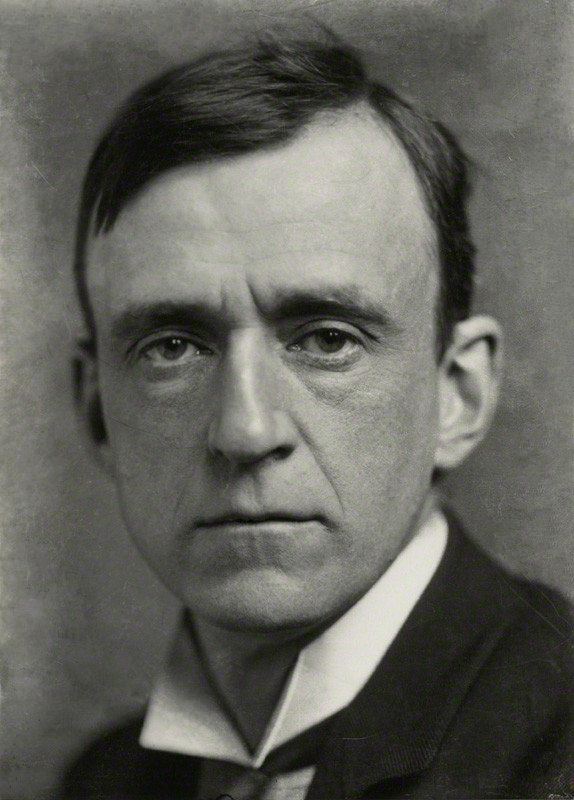
Henry Tonks, FRCS (9 April 1862 – 8 January 1937) was a British surgeon and later draughtsman and painter of figure subjects, chiefly interiors, and a caricaturist. He became an influential art teacher.
He was one of the first British artists to be influenced by the French Impressionists; he exhibited with the New English Art Club, and was an associate of many of the more progressive artists of late Victorian Britain, including James McNeill Whistler, Walter Sickert, John Singer Sargent and George Clausen.
Tonks was born in Solihull. His family owned a brass foundry in Birmingham. He was educated briefly at Bloxham School, followed by Clifton College in Bristol, and then studied medicine at the Royal Sussex County Hospital in Brighton (1882–85) and the London Hospital in Whitechapel (1885–88). He became a house surgeon at the London Hospital in 1886, under Sir Frederick Treves. He was elected as a Fellow of the Royal College of Surgeons in 1888 and moved to the Royal Free Hospital in London. He taught anatomy at the London Hospital medical school from 1892.
From 1888 he studied in the evenings at Westminster School of Art, under Frederick Brown. He exhibited paintings with the New English Art Club from 1891 and became a member of the Club in 1895.
Brown became Slade Professor of Fine Art at University College, London, in 1892, and Tonks started to teach at the Slade School of Fine Art. He became "the most renowned and formidable teacher of his generation". His pupils at the Slade included Winifred Knights, David Bomberg, Mark Gertler, Harold Gilman, Spencer Gore, Augustus John, Gwen John, Percy Wyndham Lewis, William Orpen, William Roberts, Isaac Rosenberg, Hester Gaskell Holland Gorst, Stanley Spencer and Rex Whistler. His sarcasm there drove F. M. Mayor's sister Alice to leave before completing her training. His student Paul Nash recalled Tonks's withering manner:
Tonks cared nothing for other authorities and he disliked self-satisfied young men ... His surgical eye raked my immature designs. With hooded stare and sardonic mouth, he hung in the air above me, like a tall question mark, moreover ... of a derisive, rather than an inquisitive order. In cold discouraging tones he welcomed me to the Slade. It was evident he considered that neither the Slade, nor I, was likely to derive much benefit.
From 1910 until his death, he lived at 1, The Vale, Chelsea, where he also had his studio.
Tonks resumed his medical career in 1914, first at a prisoner of war camp in Dorchester, and then at Hill Hall in Essex. He made pastel drawings of Auguste Rodin and his wife, who were refugees. He served as a medical orderly at a British Red Cross hospital near the Marne in France in 1915, and joined an ambulance unit in Italy. He became a lieutenant in the Royal Army Medical Corps in 1916, and worked for Harold Gillies producing pastel drawings recording facial injury cases at the Cambridge Military Hospital in Aldershot and the Queen's Hospital, Sidcup – a contribution recognised in the exhibitions Faces of Battle at the National Army Museum in 2008 and Henry Tonks: Art and Surgery at the Strang Print Room of University College London in 2002. There is also information on him at Will Self's "Kafka's Wound".
Hub AI
Henry Tonks AI simulator
(@Henry Tonks_simulator)
Henry Tonks
Henry Tonks, FRCS (9 April 1862 – 8 January 1937) was a British surgeon and later draughtsman and painter of figure subjects, chiefly interiors, and a caricaturist. He became an influential art teacher.
He was one of the first British artists to be influenced by the French Impressionists; he exhibited with the New English Art Club, and was an associate of many of the more progressive artists of late Victorian Britain, including James McNeill Whistler, Walter Sickert, John Singer Sargent and George Clausen.
Tonks was born in Solihull. His family owned a brass foundry in Birmingham. He was educated briefly at Bloxham School, followed by Clifton College in Bristol, and then studied medicine at the Royal Sussex County Hospital in Brighton (1882–85) and the London Hospital in Whitechapel (1885–88). He became a house surgeon at the London Hospital in 1886, under Sir Frederick Treves. He was elected as a Fellow of the Royal College of Surgeons in 1888 and moved to the Royal Free Hospital in London. He taught anatomy at the London Hospital medical school from 1892.
From 1888 he studied in the evenings at Westminster School of Art, under Frederick Brown. He exhibited paintings with the New English Art Club from 1891 and became a member of the Club in 1895.
Brown became Slade Professor of Fine Art at University College, London, in 1892, and Tonks started to teach at the Slade School of Fine Art. He became "the most renowned and formidable teacher of his generation". His pupils at the Slade included Winifred Knights, David Bomberg, Mark Gertler, Harold Gilman, Spencer Gore, Augustus John, Gwen John, Percy Wyndham Lewis, William Orpen, William Roberts, Isaac Rosenberg, Hester Gaskell Holland Gorst, Stanley Spencer and Rex Whistler. His sarcasm there drove F. M. Mayor's sister Alice to leave before completing her training. His student Paul Nash recalled Tonks's withering manner:
Tonks cared nothing for other authorities and he disliked self-satisfied young men ... His surgical eye raked my immature designs. With hooded stare and sardonic mouth, he hung in the air above me, like a tall question mark, moreover ... of a derisive, rather than an inquisitive order. In cold discouraging tones he welcomed me to the Slade. It was evident he considered that neither the Slade, nor I, was likely to derive much benefit.
From 1910 until his death, he lived at 1, The Vale, Chelsea, where he also had his studio.
Tonks resumed his medical career in 1914, first at a prisoner of war camp in Dorchester, and then at Hill Hall in Essex. He made pastel drawings of Auguste Rodin and his wife, who were refugees. He served as a medical orderly at a British Red Cross hospital near the Marne in France in 1915, and joined an ambulance unit in Italy. He became a lieutenant in the Royal Army Medical Corps in 1916, and worked for Harold Gillies producing pastel drawings recording facial injury cases at the Cambridge Military Hospital in Aldershot and the Queen's Hospital, Sidcup – a contribution recognised in the exhibitions Faces of Battle at the National Army Museum in 2008 and Henry Tonks: Art and Surgery at the Strang Print Room of University College London in 2002. There is also information on him at Will Self's "Kafka's Wound".
Recent media