
Recent from talks
High Holy Days
Knowledge base stats:
Talk channels stats:
Members stats:
High Holy Days
In Judaism, the High Holy Days, also known as High Holidays or Days of Awe (Yamim Noraim; Hebrew: יָמִים נוֹרָאִים, Yāmīm Nōrāʾīm) consist of:
The High Holy Days also are also considered to extend through the festival season of Sukkot, Shemini Atzeret, and Simchat Torah.
The term High Holy Days most probably derives from the popular English phrase, "high days and holy days". The Hebrew equivalent, "Yamim Noraim" (Hebrew: ימים נוראים), is neither Biblical nor Talmudic. Professor Ismar Elbogen avers that it was a medieval usage, reflecting a change in the mood of Rosh Hashanah from a predominantly joyous celebration to a more subdued day that was a response to a period of persecution.
Earlier versions of the ritual observances can be traced to the Second Temple Period and sources such as Philo, the Mishnah and the Tosefta in 100-300 CE, with the modern liturgy's relative standardization dating to the time of the Geonim and roughly in place by the Middle Ages.
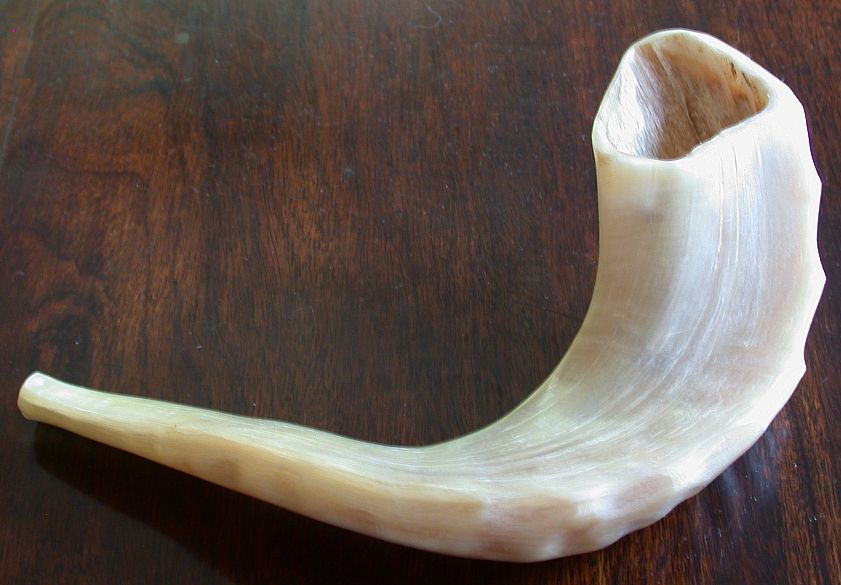
The Hebrew month preceding Rosh Hashanah, Elul, is designated as a month of introspection and repentance. In preparation for the Jewish New Year, special prayers are recited. In many communities, Psalm 27 is added at the end of morning and evening prayers. The shofar (ram's horn) is blown at the end of morning services on weekdays, and in some communities in the afternoon service as well (it is omitted on the eve of Rosh Hashanah in order to differentiate between the customary blasts of the month of Elul and the obligatory blasts of Rosh Hashanah, and in some communities it is omitted for the 3 days proceeding Rosh Hashanah). Among Sephardi Jews, selichot are recited at dawn on weekdays throughout the month. Also, many complete the entire Psalms twice during the month. It is customary to increase the giving of tzedakah (charity) and to ask forgiveness from people one may have wronged.
At midnight on the Saturday night or Sunday morning before Rosh Hashanah (or one week before that, if the first day of Rosh Hashanah is Monday or Tuesday), Ashkenazi Jews begin reciting selichot. On the following days, however, they generally recite the selichot before the regular morning prayers. On the eve of Rosh Hashanah, extra prayers are recited and many fast until noon.
Rosh Hashanah (Hebrew: ראש השנה "Beginning of the Year") is the Jewish New Year, and falls on the first and second days of the Jewish month of Tishrei (September/October). The Mishnah, the core work of the Jewish Oral Torah, sets this day aside as the new year for calculating calendar years and sabbatical and jubilee years.
Rabbinic literature describes this day as a day of judgment. God is sometimes referred to as the "Ancient of Days." Some descriptions depict God as sitting upon a throne, while books containing the deeds of all humanity are opened before Him.
Hub AI
High Holy Days AI simulator
(@High Holy Days_simulator)
High Holy Days
In Judaism, the High Holy Days, also known as High Holidays or Days of Awe (Yamim Noraim; Hebrew: יָמִים נוֹרָאִים, Yāmīm Nōrāʾīm) consist of:
The High Holy Days also are also considered to extend through the festival season of Sukkot, Shemini Atzeret, and Simchat Torah.
The term High Holy Days most probably derives from the popular English phrase, "high days and holy days". The Hebrew equivalent, "Yamim Noraim" (Hebrew: ימים נוראים), is neither Biblical nor Talmudic. Professor Ismar Elbogen avers that it was a medieval usage, reflecting a change in the mood of Rosh Hashanah from a predominantly joyous celebration to a more subdued day that was a response to a period of persecution.
Earlier versions of the ritual observances can be traced to the Second Temple Period and sources such as Philo, the Mishnah and the Tosefta in 100-300 CE, with the modern liturgy's relative standardization dating to the time of the Geonim and roughly in place by the Middle Ages.
The Hebrew month preceding Rosh Hashanah, Elul, is designated as a month of introspection and repentance. In preparation for the Jewish New Year, special prayers are recited. In many communities, Psalm 27 is added at the end of morning and evening prayers. The shofar (ram's horn) is blown at the end of morning services on weekdays, and in some communities in the afternoon service as well (it is omitted on the eve of Rosh Hashanah in order to differentiate between the customary blasts of the month of Elul and the obligatory blasts of Rosh Hashanah, and in some communities it is omitted for the 3 days proceeding Rosh Hashanah). Among Sephardi Jews, selichot are recited at dawn on weekdays throughout the month. Also, many complete the entire Psalms twice during the month. It is customary to increase the giving of tzedakah (charity) and to ask forgiveness from people one may have wronged.
At midnight on the Saturday night or Sunday morning before Rosh Hashanah (or one week before that, if the first day of Rosh Hashanah is Monday or Tuesday), Ashkenazi Jews begin reciting selichot. On the following days, however, they generally recite the selichot before the regular morning prayers. On the eve of Rosh Hashanah, extra prayers are recited and many fast until noon.
Rosh Hashanah (Hebrew: ראש השנה "Beginning of the Year") is the Jewish New Year, and falls on the first and second days of the Jewish month of Tishrei (September/October). The Mishnah, the core work of the Jewish Oral Torah, sets this day aside as the new year for calculating calendar years and sabbatical and jubilee years.
Rabbinic literature describes this day as a day of judgment. God is sometimes referred to as the "Ancient of Days." Some descriptions depict God as sitting upon a throne, while books containing the deeds of all humanity are opened before Him.
Recent media