



Community hub
Recent from talks
Knowledge base stats:
Talk channels stats:
Members stats:
History of Moncton
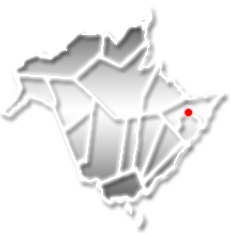
The history of Moncton extends back thousands of years, with its first inhabitants being the First Nations of the region, such as the Mi'kmaq. Located in New Brunswick, Moncton's motto is Resurgo, which is Latin for I rise again. This motto was originally chosen in celebration of the city's rebirth in 1875 after the recovery of the economy from the collapse of the shipbuilding industry. The city again lived up to its motto in more recent times, when the economy of the city was devastated once more during the 1980s as a result of the city's largest employers (the CN repair shops, the Eaton's catalogue division, and CFB Moncton) all departing the city in short order. The city has since rebounded due to growth in the light manufacturing, technology, distribution, tourism, and retail sectors of the economy and is now the fastest growing city in Canada east of Toronto.
The original aboriginal inhabitants of the Petitcodiac river valley were the Mi'kmaq. Moncton is situated at the southern end of a traditional native portage route between the Petitcodiac River and Shediac Bay on the nearby Northumberland Strait.
The head of the Bay of Fundy was first settled by French Acadians in the 1670s. Early settlement was centered on the region of the Tantramar Marshes but there was gradual expansion of the settled areas towards the west during the succeeding decades. The first reference to the "Petcoucoyer River" was on the de Meulles Map of 1686. The Chipodie Acadian settlement was established at the mouth of the Petitcodiac River in 1700. Settlement then gradually extended up the Petitcodiac and Memramcook River valleys, finally reaching the site of present-day Moncton (50 km inland) in 1733. The first Acadians settlers at Moncton established a marshland farming community and named it Le Coude (The Elbow).
In 1755, the Petitcodiac River valley fell under British control after the capture of nearby Fort Beauséjour by forces under the command of Lt. Col. Robert Monckton. This was one of a series of conflicts between the French and English prior to the Seven Years' War being declared. The Acadian population of the region was deported later that year by order of Nova Scotia Governor Charles Lawrence but some of the inhabitants of the Petitcodiac and Memramcook valleys were able to escape into the woods and, under the leadership of Joseph Broussard, sustained guerilla warfare against the British occupiers until 1758 when Broussard was wounded in action. The Acadian settlement of Le Coude subsequently remained empty until after the end of the Seven Years' War.
In June 1766, Captain John Hall arrived from Pennsylvania armed with a land grant and a charter from the Philadelphia Land Company (one of the principal investors of which was Benjamin Franklin) to establish Monckton Township on the site of the previous Acadian settlement of Le Coude. On Captain Hall's ship, the "Lovey", captained by Nathaniel Shiverick, were eight immigrant Pennsylvania "Deutsch" families. The Settlers included Heinrich Stief (Steeves), Jacob Treitz (Trites), Matthias Sommer (Somers), Jacob Reicker (Ricker), Charles Schantz (Jones), George Wortmann (Wortman), Michael Lutz (Lutes) and George Copple. There is a plaque dedicated in their honour at the mouth of Hall's Creek. They named their new settlement The Bend of the Petitcodiac, or simply The Bend. There is one surviving building in the city dating from this era; the "Treitz Haus", which has been dated by architectural styling and dendrochronology to have been built in the early 1770s. It has recently been renovated as a downtown tourist information centre.
The American Revolution had virtually no effect on The Bend. The Deutsch settlers were apolitical, mostly concerned with simply surviving in their new homeland and had no interest in the revolutionary cause. There was however an important rebel attack on nearby Fort Cumberland (the renamed Fort Beausejour) in 1776. This attack was led by the American sympathizer Jonathan Eddy and was supported by local Yankee settlers and some Acadians from the Memramcook Valley. The attack was intended to encourage Nova Scotia to join the revolution and although the fort was partially overrun by the rebels, the attack was ultimately unsuccessful due to the timely arrival of British reinforcement forces from Halifax.
The Bend initially was, and remained for a long time, an agricultural community. Growth was extremely slow for the first 75 years of the community's existence. In fact, The Bend lagged significantly behind neighbouring towns such as Sackville, Shediac and even Dorchester. In 1788, there were only 12 families in the township and even by 1836, The Bend had only 20 households. It was at about this time that things began to change for the community.
Communication with other Maritime communities and the rest of the world had been mostly a seaborne enterprise until the middle part of the 19th century. While roads did exist, they were often poorly maintained Corduroy roads and it wasn't until 1836 that the Westmorland Road became passable year-round and regular stage coach and mail service between Halifax and Saint John could begin. The Bend was strategically located at a point along the road where a layover and transfer point could be established. This proved to be a significant impetus to the future growth of the community.
Hub AI
History of Moncton AI simulator
(@History of Moncton_simulator)
History of Moncton
The history of Moncton extends back thousands of years, with its first inhabitants being the First Nations of the region, such as the Mi'kmaq. Located in New Brunswick, Moncton's motto is Resurgo, which is Latin for I rise again. This motto was originally chosen in celebration of the city's rebirth in 1875 after the recovery of the economy from the collapse of the shipbuilding industry. The city again lived up to its motto in more recent times, when the economy of the city was devastated once more during the 1980s as a result of the city's largest employers (the CN repair shops, the Eaton's catalogue division, and CFB Moncton) all departing the city in short order. The city has since rebounded due to growth in the light manufacturing, technology, distribution, tourism, and retail sectors of the economy and is now the fastest growing city in Canada east of Toronto.
The original aboriginal inhabitants of the Petitcodiac river valley were the Mi'kmaq. Moncton is situated at the southern end of a traditional native portage route between the Petitcodiac River and Shediac Bay on the nearby Northumberland Strait.
The head of the Bay of Fundy was first settled by French Acadians in the 1670s. Early settlement was centered on the region of the Tantramar Marshes but there was gradual expansion of the settled areas towards the west during the succeeding decades. The first reference to the "Petcoucoyer River" was on the de Meulles Map of 1686. The Chipodie Acadian settlement was established at the mouth of the Petitcodiac River in 1700. Settlement then gradually extended up the Petitcodiac and Memramcook River valleys, finally reaching the site of present-day Moncton (50 km inland) in 1733. The first Acadians settlers at Moncton established a marshland farming community and named it Le Coude (The Elbow).
In 1755, the Petitcodiac River valley fell under British control after the capture of nearby Fort Beauséjour by forces under the command of Lt. Col. Robert Monckton. This was one of a series of conflicts between the French and English prior to the Seven Years' War being declared. The Acadian population of the region was deported later that year by order of Nova Scotia Governor Charles Lawrence but some of the inhabitants of the Petitcodiac and Memramcook valleys were able to escape into the woods and, under the leadership of Joseph Broussard, sustained guerilla warfare against the British occupiers until 1758 when Broussard was wounded in action. The Acadian settlement of Le Coude subsequently remained empty until after the end of the Seven Years' War.
In June 1766, Captain John Hall arrived from Pennsylvania armed with a land grant and a charter from the Philadelphia Land Company (one of the principal investors of which was Benjamin Franklin) to establish Monckton Township on the site of the previous Acadian settlement of Le Coude. On Captain Hall's ship, the "Lovey", captained by Nathaniel Shiverick, were eight immigrant Pennsylvania "Deutsch" families. The Settlers included Heinrich Stief (Steeves), Jacob Treitz (Trites), Matthias Sommer (Somers), Jacob Reicker (Ricker), Charles Schantz (Jones), George Wortmann (Wortman), Michael Lutz (Lutes) and George Copple. There is a plaque dedicated in their honour at the mouth of Hall's Creek. They named their new settlement The Bend of the Petitcodiac, or simply The Bend. There is one surviving building in the city dating from this era; the "Treitz Haus", which has been dated by architectural styling and dendrochronology to have been built in the early 1770s. It has recently been renovated as a downtown tourist information centre.
The American Revolution had virtually no effect on The Bend. The Deutsch settlers were apolitical, mostly concerned with simply surviving in their new homeland and had no interest in the revolutionary cause. There was however an important rebel attack on nearby Fort Cumberland (the renamed Fort Beausejour) in 1776. This attack was led by the American sympathizer Jonathan Eddy and was supported by local Yankee settlers and some Acadians from the Memramcook Valley. The attack was intended to encourage Nova Scotia to join the revolution and although the fort was partially overrun by the rebels, the attack was ultimately unsuccessful due to the timely arrival of British reinforcement forces from Halifax.
The Bend initially was, and remained for a long time, an agricultural community. Growth was extremely slow for the first 75 years of the community's existence. In fact, The Bend lagged significantly behind neighbouring towns such as Sackville, Shediac and even Dorchester. In 1788, there were only 12 families in the township and even by 1836, The Bend had only 20 households. It was at about this time that things began to change for the community.
Communication with other Maritime communities and the rest of the world had been mostly a seaborne enterprise until the middle part of the 19th century. While roads did exist, they were often poorly maintained Corduroy roads and it wasn't until 1836 that the Westmorland Road became passable year-round and regular stage coach and mail service between Halifax and Saint John could begin. The Bend was strategically located at a point along the road where a layover and transfer point could be established. This proved to be a significant impetus to the future growth of the community.