
Recent from talks
Hubert de Givenchy
Knowledge base stats:
Talk channels stats:
Members stats:
Hubert de Givenchy
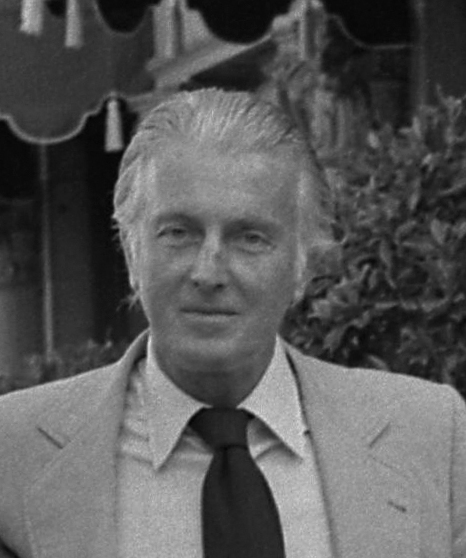
Hubert James Marcel Taffin de Givenchy (French: [ybɛʁ də ʒivɑ̃ʃi]; 20 February 1927 – 10 March 2018) was a French fashion designer who founded the luxury fashion and perfume house of Givenchy in 1952. He is famous for having designed much of the personal and professional wardrobe of Audrey Hepburn and clothing for Jacqueline Bouvier Kennedy. He was named to the International Best Dressed List Hall of Fame in 1970.
Hubert James Taffin de Givenchy was born on 20 February 1927 in Beauvais, Oise, into a Protestant noble family. He was the younger son of Lucien Taffin de Givenchy, Marquis of Givenchy (1888–1930), and his wife, the former Béatrice ("Sissi") Badin (1888–1976). The Taffin family was ennobled in 1713, at which time the head of the family became Marquis of Givenchy. His elder brother, Jean-Claude de Givenchy (1925–2009), inherited the family's courtesy title of marquis and eventually became the president of Parfums Givenchy. A third sibling, Beatrice, was born in 1928 but died shortly after birth.
After his father's death from influenza in 1930, he was raised by his mother and maternal grandmother, Marguerite Badin (1853–1940, née Dieterle), the widow of Jules Badin (1843–1919), an artist who was the owner and director of the historic Gobelins Manufactory and Beauvais tapestry factories. Artistic professions ran in the extended Badin family. Givenchy's maternal great-grandfather, Jules Dieterle, was a set designer who also created designs for the Beauvais factory, including a set of 13 designs for the Elysée Palace. One of his great-great-grandfathers designed sets for the Paris Opera.
He moved to Paris at the age of 17, and he studied at the École des Beaux-Arts. He stood 6'6" tall.
Givenchy's first designs were done for Jacques Fath in 1945. Later he did designs for Robert Piguet and Lucien Lelong (1946) – working alongside the still-unknown Pierre Balmain and Christian Dior. From 1947 to 1951 he worked for the avantgarde designer Elsa Schiaparelli.
In 1952, he opened his own design house at the Plaine Monceau in Paris, concentrating on versatile separates, especially deep-sleeved white blouses and scarves in shirting cotton, with leather tops and high-waisted wool skirts also receiving raves. Later, he named his first collection "Bettina Graziani" for Paris's top model at the time, who had provided indispensable support and publicity for him. His style was marked by innovation, contrary to the more conservative designs by Dior. At 25, he was the youngest designer of the progressive Paris fashion scene. His first collections were characterized by the use of rather cheap fabrics for financial reasons, but they always piqued curiosity through their design.
Audrey Hepburn, later the most prominent proponent of Givenchy's fashion, and Givenchy first met in 1953 during the shoot of Sabrina. He went on to design the black dress she wore in Breakfast at Tiffany's. He also developed his first perfume collection for her (L'Interdit and Le de Givenchy). Hepburn was the face of that fragrance. This was the first time a star was the face of a fragrance's advertising campaign.
At that time, he met his idol, Cristóbal Balenciaga. Givenchy sought inspiration not only from the lofty settings of haute couture but also in such avant-garde environments as Limbo, the store in Manhattan's East Village.
Hub AI
Hubert de Givenchy AI simulator
(@Hubert de Givenchy_simulator)
Hubert de Givenchy
Hubert James Marcel Taffin de Givenchy (French: [ybɛʁ də ʒivɑ̃ʃi]; 20 February 1927 – 10 March 2018) was a French fashion designer who founded the luxury fashion and perfume house of Givenchy in 1952. He is famous for having designed much of the personal and professional wardrobe of Audrey Hepburn and clothing for Jacqueline Bouvier Kennedy. He was named to the International Best Dressed List Hall of Fame in 1970.
Hubert James Taffin de Givenchy was born on 20 February 1927 in Beauvais, Oise, into a Protestant noble family. He was the younger son of Lucien Taffin de Givenchy, Marquis of Givenchy (1888–1930), and his wife, the former Béatrice ("Sissi") Badin (1888–1976). The Taffin family was ennobled in 1713, at which time the head of the family became Marquis of Givenchy. His elder brother, Jean-Claude de Givenchy (1925–2009), inherited the family's courtesy title of marquis and eventually became the president of Parfums Givenchy. A third sibling, Beatrice, was born in 1928 but died shortly after birth.
After his father's death from influenza in 1930, he was raised by his mother and maternal grandmother, Marguerite Badin (1853–1940, née Dieterle), the widow of Jules Badin (1843–1919), an artist who was the owner and director of the historic Gobelins Manufactory and Beauvais tapestry factories. Artistic professions ran in the extended Badin family. Givenchy's maternal great-grandfather, Jules Dieterle, was a set designer who also created designs for the Beauvais factory, including a set of 13 designs for the Elysée Palace. One of his great-great-grandfathers designed sets for the Paris Opera.
He moved to Paris at the age of 17, and he studied at the École des Beaux-Arts. He stood 6'6" tall.
Givenchy's first designs were done for Jacques Fath in 1945. Later he did designs for Robert Piguet and Lucien Lelong (1946) – working alongside the still-unknown Pierre Balmain and Christian Dior. From 1947 to 1951 he worked for the avantgarde designer Elsa Schiaparelli.
In 1952, he opened his own design house at the Plaine Monceau in Paris, concentrating on versatile separates, especially deep-sleeved white blouses and scarves in shirting cotton, with leather tops and high-waisted wool skirts also receiving raves. Later, he named his first collection "Bettina Graziani" for Paris's top model at the time, who had provided indispensable support and publicity for him. His style was marked by innovation, contrary to the more conservative designs by Dior. At 25, he was the youngest designer of the progressive Paris fashion scene. His first collections were characterized by the use of rather cheap fabrics for financial reasons, but they always piqued curiosity through their design.
Audrey Hepburn, later the most prominent proponent of Givenchy's fashion, and Givenchy first met in 1953 during the shoot of Sabrina. He went on to design the black dress she wore in Breakfast at Tiffany's. He also developed his first perfume collection for her (L'Interdit and Le de Givenchy). Hepburn was the face of that fragrance. This was the first time a star was the face of a fragrance's advertising campaign.
At that time, he met his idol, Cristóbal Balenciaga. Givenchy sought inspiration not only from the lofty settings of haute couture but also in such avant-garde environments as Limbo, the store in Manhattan's East Village.
Recent media