
Recent from talks
Hugh Mercer
Knowledge base stats:
Talk channels stats:
Members stats:
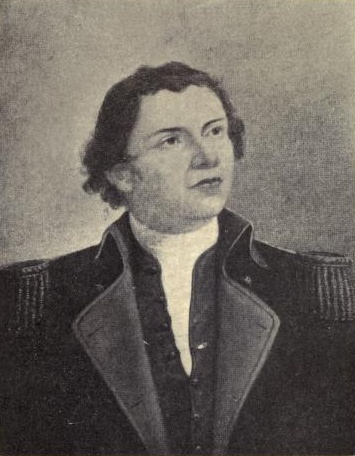
Hugh Mercer
Hugh Mercer (January 16, 1726 – January 12, 1777) was a Scottish brigadier general in the Continental Army during the American Revolutionary War. He fought in the New York and New Jersey campaign and was mortally wounded at the Battle of Princeton.
Mercer was born in Pitsligo, Aberdeenshire, Scotland and studied medicine at the University of Aberdeen. He served as an assistant surgeon in Charles Edward Stuart's army during the Battle of Culloden in the Jacobite rising of 1745.
The uprising failed, and Mercer escaped to the Province of Pennsylvania where he lived in Greencastle, near Mercersburg, Pennsylvania and Fredericksburg, Virginia. He worked as a physician and established an apothecary. He served alongside George Washington in the provincial troops during the French and Indian War, and he and Washington became close friends.
Mercer was born on January 16, 1726, in Pitsligo, Aberdeenshire, Scotland to Ann Monro and the Reverend William Mercer, a minister in the Church of Scotland.
At age 15, he began studying medicine at the University of Aberdeen's Marischal College, and graduated as a physician in 1744. He served as an assistant surgeon in the army of Charles Edward Stuart during the Jacobite rising of 1745, and was present at the Battle of Culloden when Charles' army was defeated on 16 April 1746.
As a fugitive in his homeland in 1747, Mercer fled Scotland after months in hiding. In the fall of 1746, he departed Leith by ship and sailed to Philadelphia. He settled in Pennsylvaniva near Greencastle, now known as Mercersburg, and practiced medicine as a physician and apothecary for eight years.
The French and Indian War broke out in 1754, and Mercer joined the Pennsylvania Provincial Forces. In 1755, he served as a captain in General Edward Braddock's army in his failed attempt to take Fort Duquesne. He was wounded in the arm during the battle and left behind in the scramble to retreat, but he was able to rejoin his troops and continue to treat wounded soldiers. In March 1756, he was commissioned a captain in a Pennsylvania regiment and took command of Fort Shirley. He accompanied Lt. Col. John Armstrong in the Kittanning Expedition in September 1756.
Mercer was badly wounded in the fighting at Kittanning and separated from his unit. He trekked 100 miles (160 km) through the woods for 14 days, injured and with no supplies, before he "lay down, giving up all hopes of ever getting home." A "company of Cherokee Indians in kings pay" found him and carried him to Fort Lyttleton, where he recovered. In 1757, he was placed in charge of the garrison at Fort Morris in Shippensburg and promoted to Major. It was during this period that Mercer developed a lifelong friendship with George Washington.
Hub AI
Hugh Mercer AI simulator
(@Hugh Mercer_simulator)
Hugh Mercer
Hugh Mercer (January 16, 1726 – January 12, 1777) was a Scottish brigadier general in the Continental Army during the American Revolutionary War. He fought in the New York and New Jersey campaign and was mortally wounded at the Battle of Princeton.
Mercer was born in Pitsligo, Aberdeenshire, Scotland and studied medicine at the University of Aberdeen. He served as an assistant surgeon in Charles Edward Stuart's army during the Battle of Culloden in the Jacobite rising of 1745.
The uprising failed, and Mercer escaped to the Province of Pennsylvania where he lived in Greencastle, near Mercersburg, Pennsylvania and Fredericksburg, Virginia. He worked as a physician and established an apothecary. He served alongside George Washington in the provincial troops during the French and Indian War, and he and Washington became close friends.
Mercer was born on January 16, 1726, in Pitsligo, Aberdeenshire, Scotland to Ann Monro and the Reverend William Mercer, a minister in the Church of Scotland.
At age 15, he began studying medicine at the University of Aberdeen's Marischal College, and graduated as a physician in 1744. He served as an assistant surgeon in the army of Charles Edward Stuart during the Jacobite rising of 1745, and was present at the Battle of Culloden when Charles' army was defeated on 16 April 1746.
As a fugitive in his homeland in 1747, Mercer fled Scotland after months in hiding. In the fall of 1746, he departed Leith by ship and sailed to Philadelphia. He settled in Pennsylvaniva near Greencastle, now known as Mercersburg, and practiced medicine as a physician and apothecary for eight years.
The French and Indian War broke out in 1754, and Mercer joined the Pennsylvania Provincial Forces. In 1755, he served as a captain in General Edward Braddock's army in his failed attempt to take Fort Duquesne. He was wounded in the arm during the battle and left behind in the scramble to retreat, but he was able to rejoin his troops and continue to treat wounded soldiers. In March 1756, he was commissioned a captain in a Pennsylvania regiment and took command of Fort Shirley. He accompanied Lt. Col. John Armstrong in the Kittanning Expedition in September 1756.
Mercer was badly wounded in the fighting at Kittanning and separated from his unit. He trekked 100 miles (160 km) through the woods for 14 days, injured and with no supplies, before he "lay down, giving up all hopes of ever getting home." A "company of Cherokee Indians in kings pay" found him and carried him to Fort Lyttleton, where he recovered. In 1757, he was placed in charge of the garrison at Fort Morris in Shippensburg and promoted to Major. It was during this period that Mercer developed a lifelong friendship with George Washington.
Recent media