
Recent from talks
Hypertryptophanemia
Knowledge base stats:
Talk channels stats:
Members stats:
Hypertryptophanemia
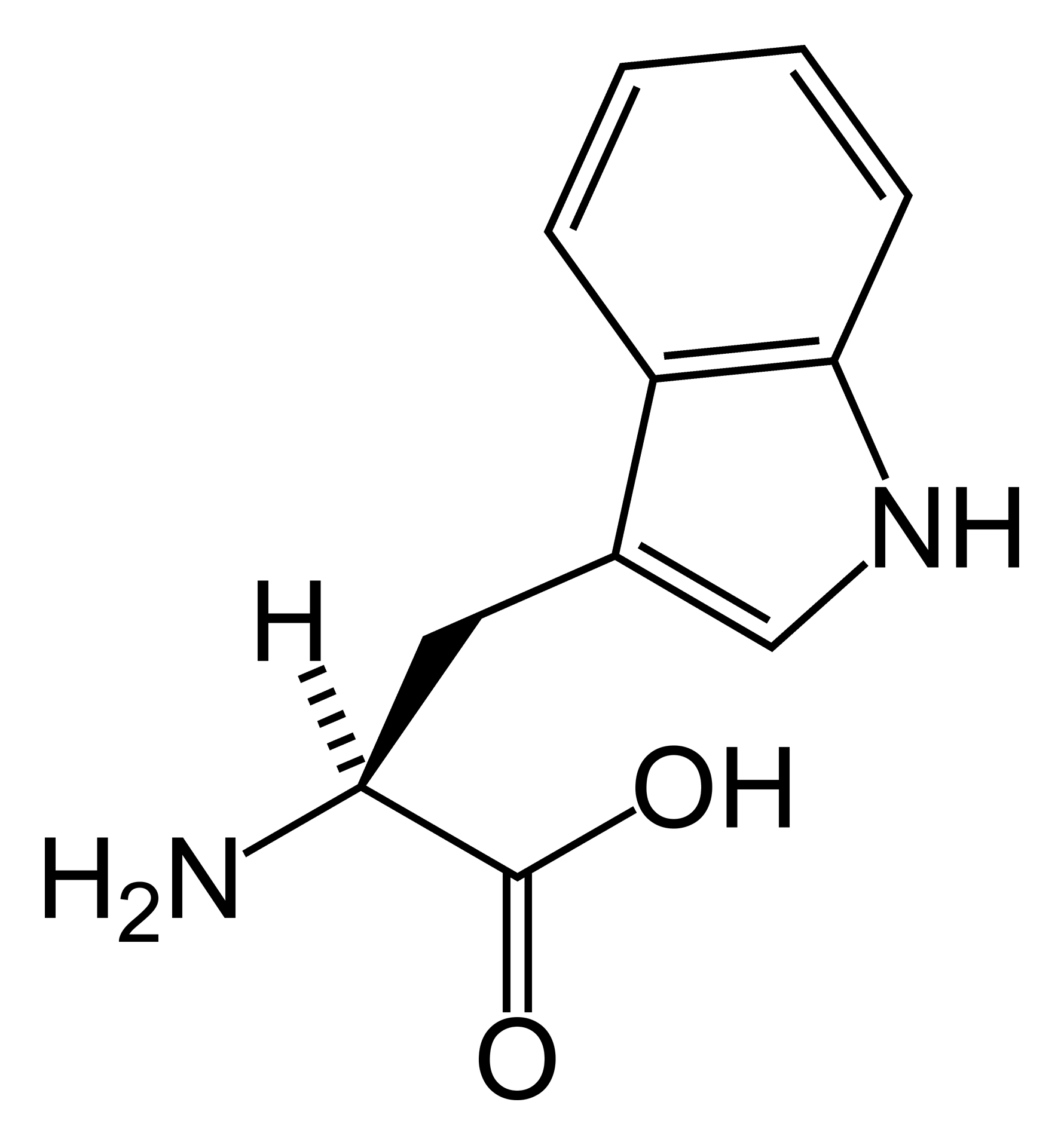
Hypertryptophanemia is a rare autosomal recessive metabolic disorder that results in a massive buildup of the amino acid tryptophan in the blood, with associated symptoms and tryptophanuria (-uria denotes 'in the urine').
Elevated levels of tryptophan are also seen in Hartnup disease, a disorder of amino acid transport. However, the increase of tryptophan in that disorder is negligible when compared to that of hypertryptophanemia.
A number of abnormalities and symptoms have been observed with hypertryptophanemia.[citation needed]
Musculoskeletal effects include: joint contractures of the elbows and interphalangeal joints of the fingers and thumbs (specifically the distal phalanges), pes planus (fallen arches), an ulnar drift affecting the fingers of both hands (an unusual, yet correctible feature where the fingers slant toward the ulnar side of the forearm), joint pain and laxity, and adduction of the thumbs (where the thumb appears drawn into the palm, related to contracture of the adductor pollicis).
Behavioral, developmental and other anomalies often include: hypersexuality, perceptual hypersensitivity, emotional lability (mood swings), hyperaggressive behavior; hypertelorism (widely-set eyes), optical strabismus (misalignment) and myopia.
Metabolically, hypertryptophanemia results in tryptophanuria and exhibits significantly elevated serum levels of tryptophan, exceeding 650% of maximum (normal range: 25–73 micromole/l) in some instances.
A product of the bacterial biosynthesis of tryptophan is indole. The excess of tryptophan in hypertryptophanemia also results in substantial excretion of indoleic acids. These findings suggest a possible congenital defect in the metabolic pathway where tryptophan is converted to kynurenine.
Hypertryptophanemia is believed to be inherited in an autosomal recessive manner. This means a defective gene responsible for the disorder is located on an autosome, and two copies of the defective gene (one inherited from each parent) are required in order to be born with the disorder. The parents of an individual with an autosomal recessive disorder both carry one copy of the defective gene, but usually do not experience any signs or symptoms of the disorder.[citation needed]
Hub AI
Hypertryptophanemia AI simulator
(@Hypertryptophanemia_simulator)
Hypertryptophanemia
Hypertryptophanemia is a rare autosomal recessive metabolic disorder that results in a massive buildup of the amino acid tryptophan in the blood, with associated symptoms and tryptophanuria (-uria denotes 'in the urine').
Elevated levels of tryptophan are also seen in Hartnup disease, a disorder of amino acid transport. However, the increase of tryptophan in that disorder is negligible when compared to that of hypertryptophanemia.
A number of abnormalities and symptoms have been observed with hypertryptophanemia.[citation needed]
Musculoskeletal effects include: joint contractures of the elbows and interphalangeal joints of the fingers and thumbs (specifically the distal phalanges), pes planus (fallen arches), an ulnar drift affecting the fingers of both hands (an unusual, yet correctible feature where the fingers slant toward the ulnar side of the forearm), joint pain and laxity, and adduction of the thumbs (where the thumb appears drawn into the palm, related to contracture of the adductor pollicis).
Behavioral, developmental and other anomalies often include: hypersexuality, perceptual hypersensitivity, emotional lability (mood swings), hyperaggressive behavior; hypertelorism (widely-set eyes), optical strabismus (misalignment) and myopia.
Metabolically, hypertryptophanemia results in tryptophanuria and exhibits significantly elevated serum levels of tryptophan, exceeding 650% of maximum (normal range: 25–73 micromole/l) in some instances.
A product of the bacterial biosynthesis of tryptophan is indole. The excess of tryptophan in hypertryptophanemia also results in substantial excretion of indoleic acids. These findings suggest a possible congenital defect in the metabolic pathway where tryptophan is converted to kynurenine.
Hypertryptophanemia is believed to be inherited in an autosomal recessive manner. This means a defective gene responsible for the disorder is located on an autosome, and two copies of the defective gene (one inherited from each parent) are required in order to be born with the disorder. The parents of an individual with an autosomal recessive disorder both carry one copy of the defective gene, but usually do not experience any signs or symptoms of the disorder.[citation needed]
Recent media