
Recent from talks
Ian Whitcomb
Knowledge base stats:
Talk channels stats:
Members stats:
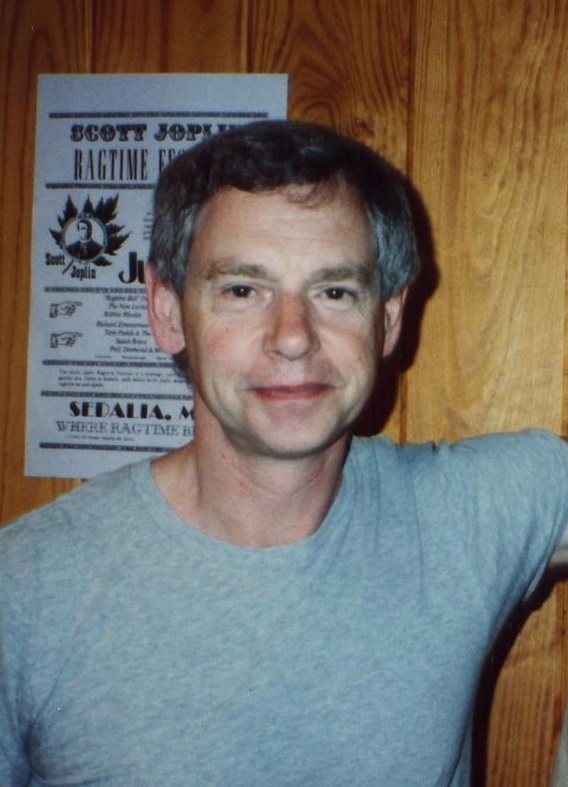
Ian Whitcomb
Ian Timothy Whitcomb (10 July 1941 – 19 April 2020) was an English entertainer, singer-songwriter, record producer, writer, broadcaster and actor. As part of the British Invasion, his hit song "You Turn Me On" reached number 8 on the Billboard Hot 100 chart in 1965.
He wrote several books on popular music, beginning with After the Ball, published by Penguin Books (Britain) and Simon & Schuster (United States) in 1972. He accompanied his singing by playing the ukulele and, through his records, concerts, and film work, helped to stimulate the revival of interest in the instrument. His re-creation of the music played aboard the RMS Titanic in the film of that name won a Grammy Award in 1998 for package design and a nomination for Whitcomb's liner notes (Titanic: Music as Heard on the Fateful Voyage).
Whitcomb was born in Woking, Surrey, England to Patrick and Eileen (née Burningham). He was the second-born of three children. He spent his childhood years in Scarborough, Thorpeness and Putney. His father worked for Whitcomb's grandfather's film company British Screen Classics in the 1920s, eventually co-starring in Mr. Nobody (released by Fox in 1929). His father was a trained pianist and encouraged Whitcomb to also play piano. Growing up, Whitcomb's chief musical inspirations were Phil Harris, Johnnie Ray, Guy Mitchell, Elvis Presley, and George Formby. He was sent away to boarding school in 1949 (Newlands, Seaford, Sussex) at age 8 and there he soon formed a tissue paper-and-comb band to entertain staff and boys with current hits such as "Riders in the Sky".
At Bryanston, a public school in Dorset, England, Whitcomb began writing comic and other songs. He started a skiffle group in 1957 and then a rock and roll band in 1959. After leaving school, he worked at Harrods and then as an assistant at film studios. With his younger brother Robin on drums, he formed a band, The Ragtime Suwanee Six, that played at parties in the Surrey area and was managed by Denny Cordell, later to produce records by Procol Harum and Joe Cocker. Robin went on to play tambourine on Sonny & Cher's hit "I Got You Babe" (1965).
Around 1963, while studying history at Trinity College, Dublin, Whitcomb became a founding member and lead vocalist of Dublin's early rhythm and blues band, Bluesville. After some unreleased early recordings, Whitcomb travelled to Seattle, where he performed and was signed to record for Jerden Records. After returning to Dublin, he recorded "This Sporting Life", written by Brownie McGhee and previously recorded as a skiffle number by Chas McDevitt. Whitcomb's recording was then licensed to the Tower label, a subsidiary of Capitol Records, for release in the US. It reached number 100 for one week on the Billboard Hot 100.
Their next record release, again credited as Ian Whitcomb & Bluesville, "You Turn Me On", was a novelty song largely improvised at the end of a recording session in Dublin. Released as a single on the Tower label, it reached Billboard's number 8 spot in July 1965 – it was the first Irish-produced record to reach the US charts – but did not chart in Britain. During his summer vacation in 1965, Whitcomb went to America to appear on such television programs as Shindig, Hollywood A Go-Go and American Bandstand. Whitcomb played the Hollywood Bowl with The Beach Boys in 1965 and then toured with The Rolling Stones, The Kinks, and Sam the Sham and the Pharaohs.
"N-E-R-V-O-U-S!", Whitcomb's next release, which was also a novelty song, was recorded in Hollywood and reached No. 59 in Billboard and No. 47 in Cash Box. He returned to Dublin for his history finals and received a BA degree. In 1966 he turned to early popular song: His version of a 1916 Al Jolson comedy number, "Where Did Robinson Crusoe Go with Friday on Saturday Night?" was a West Coast hit, reviving the ukulele before the emergence of Tiny Tim.
After making four albums for the Tower label, Whitcomb retired as a pop performer, later writing that he "wanted no part of the growing pretentiousness of rock with its mandatory drugs and wishy-washy spiritualism and its increasing loud and metallic guitar sounds." However, in 1969 he produced Mae West on her album called Great Balls of Fire for MGM Records. He then returned to the UK and was commissioned by Penguin Books to write a history of pop music, After the Ball, published in 1972. He appeared on several BBC TV shows and was an early presenter of the BBC show The Old Grey Whistle Test in 1971.
Hub AI
Ian Whitcomb AI simulator
(@Ian Whitcomb_simulator)
Ian Whitcomb
Ian Timothy Whitcomb (10 July 1941 – 19 April 2020) was an English entertainer, singer-songwriter, record producer, writer, broadcaster and actor. As part of the British Invasion, his hit song "You Turn Me On" reached number 8 on the Billboard Hot 100 chart in 1965.
He wrote several books on popular music, beginning with After the Ball, published by Penguin Books (Britain) and Simon & Schuster (United States) in 1972. He accompanied his singing by playing the ukulele and, through his records, concerts, and film work, helped to stimulate the revival of interest in the instrument. His re-creation of the music played aboard the RMS Titanic in the film of that name won a Grammy Award in 1998 for package design and a nomination for Whitcomb's liner notes (Titanic: Music as Heard on the Fateful Voyage).
Whitcomb was born in Woking, Surrey, England to Patrick and Eileen (née Burningham). He was the second-born of three children. He spent his childhood years in Scarborough, Thorpeness and Putney. His father worked for Whitcomb's grandfather's film company British Screen Classics in the 1920s, eventually co-starring in Mr. Nobody (released by Fox in 1929). His father was a trained pianist and encouraged Whitcomb to also play piano. Growing up, Whitcomb's chief musical inspirations were Phil Harris, Johnnie Ray, Guy Mitchell, Elvis Presley, and George Formby. He was sent away to boarding school in 1949 (Newlands, Seaford, Sussex) at age 8 and there he soon formed a tissue paper-and-comb band to entertain staff and boys with current hits such as "Riders in the Sky".
At Bryanston, a public school in Dorset, England, Whitcomb began writing comic and other songs. He started a skiffle group in 1957 and then a rock and roll band in 1959. After leaving school, he worked at Harrods and then as an assistant at film studios. With his younger brother Robin on drums, he formed a band, The Ragtime Suwanee Six, that played at parties in the Surrey area and was managed by Denny Cordell, later to produce records by Procol Harum and Joe Cocker. Robin went on to play tambourine on Sonny & Cher's hit "I Got You Babe" (1965).
Around 1963, while studying history at Trinity College, Dublin, Whitcomb became a founding member and lead vocalist of Dublin's early rhythm and blues band, Bluesville. After some unreleased early recordings, Whitcomb travelled to Seattle, where he performed and was signed to record for Jerden Records. After returning to Dublin, he recorded "This Sporting Life", written by Brownie McGhee and previously recorded as a skiffle number by Chas McDevitt. Whitcomb's recording was then licensed to the Tower label, a subsidiary of Capitol Records, for release in the US. It reached number 100 for one week on the Billboard Hot 100.
Their next record release, again credited as Ian Whitcomb & Bluesville, "You Turn Me On", was a novelty song largely improvised at the end of a recording session in Dublin. Released as a single on the Tower label, it reached Billboard's number 8 spot in July 1965 – it was the first Irish-produced record to reach the US charts – but did not chart in Britain. During his summer vacation in 1965, Whitcomb went to America to appear on such television programs as Shindig, Hollywood A Go-Go and American Bandstand. Whitcomb played the Hollywood Bowl with The Beach Boys in 1965 and then toured with The Rolling Stones, The Kinks, and Sam the Sham and the Pharaohs.
"N-E-R-V-O-U-S!", Whitcomb's next release, which was also a novelty song, was recorded in Hollywood and reached No. 59 in Billboard and No. 47 in Cash Box. He returned to Dublin for his history finals and received a BA degree. In 1966 he turned to early popular song: His version of a 1916 Al Jolson comedy number, "Where Did Robinson Crusoe Go with Friday on Saturday Night?" was a West Coast hit, reviving the ukulele before the emergence of Tiny Tim.
After making four albums for the Tower label, Whitcomb retired as a pop performer, later writing that he "wanted no part of the growing pretentiousness of rock with its mandatory drugs and wishy-washy spiritualism and its increasing loud and metallic guitar sounds." However, in 1969 he produced Mae West on her album called Great Balls of Fire for MGM Records. He then returned to the UK and was commissioned by Penguin Books to write a history of pop music, After the Ball, published in 1972. He appeared on several BBC TV shows and was an early presenter of the BBC show The Old Grey Whistle Test in 1971.
Recent media