
Recent from talks
Indian classical music
Knowledge base stats:
Talk channels stats:
Members stats:
Indian classical music
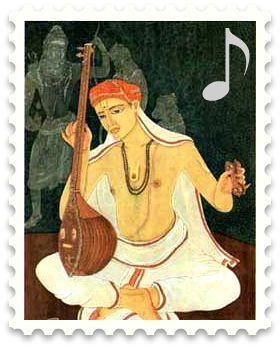
Indian classical music is the classical music of the Indian subcontinent. It is generally described using terms like Shastriya Sangeet and Marg Sangeet. It has two major traditions: the North Indian classical music known as Hindustani and the South Indian expression known as Carnatic. Hindustani music emphasizes improvisation and exploration of all aspects of a raga, while Carnatic performances tend to be short composition-based. However, the two systems continue to have more common features than differences. Another unique classical music tradition from the eastern part of India is Odissi music, which has evolved over the last two thousand years.
The roots of the classical music of India are found in the Vedic literature of Hinduism and the ancient Natyashastra, the classic Sanskrit text on performing arts by Bharata Muni. The 13th century Sanskrit text Sangeeta-Ratnakara of Sarangadeva is regarded as the definitive text by both the Hindustani music and the Carnatic music traditions.
Indian classical music has two foundational elements, raga and tala. The raga, based on a varied repertoire of swara (notes including microtones), forms the fabric of a deeply intricate melodic structure, while the tala measures the time cycle. The raga gives an artist a palette to build the melody from sounds, while the tala provides them with a creative framework for rhythmic improvisation using time. In Indian classical music the space between the notes is often more important than the notes themselves, and it traditionally eschews Western classical concepts such as harmony, counterpoint, chords, or modulation.
The root of music in ancient India are found in the Vedic literature of Hinduism. The earliest Indian thought combined three arts, syllabic recital (vadya), melos (gita) and dance (nrtta). As these fields developed, sangeeta became a distinct genre of art, in a form equivalent to contemporary music. This likely occurred before the time of Yāska (c. 500 BCE), since he includes these terms in his nirukta studies, one of the six Vedanga of ancient Indian tradition. Some of the ancient texts of Hinduism such as the Samaveda (c. 1000 BCE) are structured entirely to melodic themes, it is sections of Rigveda set to music.
The Samaveda is organized into two formats. One part is based on the musical meter, another by the aim of the rituals. The text is written with embedded coding, where swaras (octave notes) are either shown above or within the text, or the verse is written into parvans (knot or member); in simple words, this embedded code of swaras is like the skeleton of the song. The swaras have about 12 different forms and different combinations of these swaras are made to sit under the names of different ragas. The specific code of a song clearly tells us what combination of swaras are present in a specific song. The lyrical part of the song is called "sahityam" and sahityam is just like singing the swaras altogether but using the lyrics of the song. The code in the form of swaras have even the notation of which note to be sung high and which one low. The hymns of Samaveda contain melodic content, form, rhythm and metric organization. This structure is, however, not unique or limited to Samaveda. The Rigveda embeds the musical meter too, without the kind of elaboration found in the Samaveda. For example, the Gayatri mantra contains three metric lines of exactly eight syllables, with an embedded ternary rhythm.
In the ancient traditions of Hinduism, two musical genre appeared, namely Gandharva (formal, composed, ceremonial music) and Gana (informal, improvised, entertainment music). The Gandharva music also implied celestial, divine associations, while the Gana also implied singing. The Vedic Sanskrit musical tradition had spread widely in the Indian subcontinent, and according to Rowell, the ancient Tamil classics make it "abundantly clear that a cultivated musical tradition existed in South India as early as the last few pre-Christian centuries".
The classic Sanskrit text Natya Shastra is at the foundation of the numerous classical music and dance traditions of India. Before Natyashastra was finalized, the ancient Indian traditions had classified musical instruments into four groups based on their acoustic principle (how they work, rather than the material they are made of) for example flute which works with gracious in and out flow of air. These four categories are accepted as given and are four separate chapters in the Natyashastra, one each on stringed instruments (chordophones), hollow instruments (aerophones), solid instruments (idiophones), and covered instruments (membranophones).
Of these, states Levis Rowell, the idiophone in the form of "small bronze cymbals" were used for tala. Almost the entire chapter of Natyashastra on idiophones, by Bharata, is a theoretical treatise on the system of tala. Time keeping with idiophones was considered a separate function than that of percussion (membranophones), in the early Indian thought on music theory.
Hub AI
Indian classical music AI simulator
(@Indian classical music_simulator)
Indian classical music
Indian classical music is the classical music of the Indian subcontinent. It is generally described using terms like Shastriya Sangeet and Marg Sangeet. It has two major traditions: the North Indian classical music known as Hindustani and the South Indian expression known as Carnatic. Hindustani music emphasizes improvisation and exploration of all aspects of a raga, while Carnatic performances tend to be short composition-based. However, the two systems continue to have more common features than differences. Another unique classical music tradition from the eastern part of India is Odissi music, which has evolved over the last two thousand years.
The roots of the classical music of India are found in the Vedic literature of Hinduism and the ancient Natyashastra, the classic Sanskrit text on performing arts by Bharata Muni. The 13th century Sanskrit text Sangeeta-Ratnakara of Sarangadeva is regarded as the definitive text by both the Hindustani music and the Carnatic music traditions.
Indian classical music has two foundational elements, raga and tala. The raga, based on a varied repertoire of swara (notes including microtones), forms the fabric of a deeply intricate melodic structure, while the tala measures the time cycle. The raga gives an artist a palette to build the melody from sounds, while the tala provides them with a creative framework for rhythmic improvisation using time. In Indian classical music the space between the notes is often more important than the notes themselves, and it traditionally eschews Western classical concepts such as harmony, counterpoint, chords, or modulation.
The root of music in ancient India are found in the Vedic literature of Hinduism. The earliest Indian thought combined three arts, syllabic recital (vadya), melos (gita) and dance (nrtta). As these fields developed, sangeeta became a distinct genre of art, in a form equivalent to contemporary music. This likely occurred before the time of Yāska (c. 500 BCE), since he includes these terms in his nirukta studies, one of the six Vedanga of ancient Indian tradition. Some of the ancient texts of Hinduism such as the Samaveda (c. 1000 BCE) are structured entirely to melodic themes, it is sections of Rigveda set to music.
The Samaveda is organized into two formats. One part is based on the musical meter, another by the aim of the rituals. The text is written with embedded coding, where swaras (octave notes) are either shown above or within the text, or the verse is written into parvans (knot or member); in simple words, this embedded code of swaras is like the skeleton of the song. The swaras have about 12 different forms and different combinations of these swaras are made to sit under the names of different ragas. The specific code of a song clearly tells us what combination of swaras are present in a specific song. The lyrical part of the song is called "sahityam" and sahityam is just like singing the swaras altogether but using the lyrics of the song. The code in the form of swaras have even the notation of which note to be sung high and which one low. The hymns of Samaveda contain melodic content, form, rhythm and metric organization. This structure is, however, not unique or limited to Samaveda. The Rigveda embeds the musical meter too, without the kind of elaboration found in the Samaveda. For example, the Gayatri mantra contains three metric lines of exactly eight syllables, with an embedded ternary rhythm.
In the ancient traditions of Hinduism, two musical genre appeared, namely Gandharva (formal, composed, ceremonial music) and Gana (informal, improvised, entertainment music). The Gandharva music also implied celestial, divine associations, while the Gana also implied singing. The Vedic Sanskrit musical tradition had spread widely in the Indian subcontinent, and according to Rowell, the ancient Tamil classics make it "abundantly clear that a cultivated musical tradition existed in South India as early as the last few pre-Christian centuries".
The classic Sanskrit text Natya Shastra is at the foundation of the numerous classical music and dance traditions of India. Before Natyashastra was finalized, the ancient Indian traditions had classified musical instruments into four groups based on their acoustic principle (how they work, rather than the material they are made of) for example flute which works with gracious in and out flow of air. These four categories are accepted as given and are four separate chapters in the Natyashastra, one each on stringed instruments (chordophones), hollow instruments (aerophones), solid instruments (idiophones), and covered instruments (membranophones).
Of these, states Levis Rowell, the idiophone in the form of "small bronze cymbals" were used for tala. Almost the entire chapter of Natyashastra on idiophones, by Bharata, is a theoretical treatise on the system of tala. Time keeping with idiophones was considered a separate function than that of percussion (membranophones), in the early Indian thought on music theory.
Recent media