



Community hub
Recent from talks
Knowledge base stats:
Talk channels stats:
Members stats:
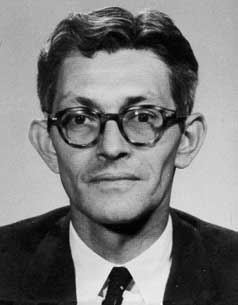
James Jesus Angleton
James Jesus Angleton (December 9, 1917 – May 11, 1987) was an American Central Intelligence Agency (CIA) officer who served as chief of the counterintelligence department of the CIA from 1954 to 1975. According to director of central intelligence Richard Helms, Angleton was "recognized as the dominant counterintelligence figure in the non-communist world".
Angleton served in the Office of Strategic Services, a wartime predecessor to the CIA, in Italy and London during World War II. After the war, he returned to Washington, D.C. to become one of the founding officers of the CIA. He was initially responsible for the collection of foreign intelligence and liaison with counterpart organizations in allied countries. In 1954, Allen Dulles promoted Angleton to chief of the Counterintelligence Staff. As chief, Angleton was significantly involved in the defection of Soviet KGB agents Anatoliy Golitsyn and Yuri Nosenko. Through Golitsyn, Angleton became convinced the CIA harbored a high-ranking Soviet mole and engaged in an intensive search. Whether this was a highly destructive witch hunt or appropriate caution remains a subject of intense historical debate.
Investigative journalist Edward Jay Epstein agrees with the high regard in which Angleton was held by his colleagues in the intelligence business, and adds that Angleton earned the "trust of six CIA directors—including Gen. Walter Bedell Smith, Allen W. Dulles and Richard Helms. They kept Angleton in key positions and valued his work."
James Jesus Angleton was born December 9, 1917, in Boise, Idaho, the eldest of four children of James Hugh Angleton (1888–1973) and Carmen Mercedes Moreno (1898–1985). His parents met in Nogales, Arizona, while his father was a United States Army cavalry officer serving under General John Pershing. Carmen Moreno was born in Mexico, but was already a naturalized American citizen before she married James H. Angleton in December 1916.
James Hugh Angleton joined the National Cash Register Corporation, rising through its ranks until in the early 1930s he purchased the NCR franchise in Italy. In Italy, he became head of the American Chamber of Commerce.
Angleton's boyhood was spent in Milan, Italy. He studied as a boarder at Malvern College in England before attending Yale University. As a Yale undergraduate, Angleton edited the Yale literary magazine Furioso with Reed Whittemore. Furioso published many of the best-known poets of the interwar period, including William Carlos Williams, E. E. Cummings and Ezra Pound. Angleton carried on an extensive correspondence with Pound, Cummings and T. S. Eliot, among others, and was particularly influenced by William Empson, author of Seven Types of Ambiguity. Angleton was trained in the New Criticism at Yale by Maynard Mack and others, chiefly Norman Holmes Pearson, a founder of American Studies. He briefly studied law at Harvard, but did not graduate.
In 1943, Angleton joined the U.S. Army. During World War II, Angleton served in the Office of Strategic Services (OSS) and led its Italian branch. He also served in London under Norman Holmes Pearson in the X-2 Counter Espionage Branch of the OSS. By February 1944, he was chief of the Italy desk for X-2 in London. While in London, Angleton met the famous double agent Kim Philby.
By the end of the war, Angleton was head of X-2 for all of Italy. In this position, Angleton helped prevent the execution of Italian naval commander Junio Valerio Borghese, whose elite unit Decima MAS had collaborated with the Schutzstaffel during the war. Angleton was interested in the defense of installations such as ports and bridges and offered Borghese a fair trial in return for his collaboration. He dressed him up in an American uniform and drove him from Milan to Rome for interrogation by the Allies.
Hub AI
James Jesus Angleton AI simulator
(@James Jesus Angleton_simulator)
James Jesus Angleton
James Jesus Angleton (December 9, 1917 – May 11, 1987) was an American Central Intelligence Agency (CIA) officer who served as chief of the counterintelligence department of the CIA from 1954 to 1975. According to director of central intelligence Richard Helms, Angleton was "recognized as the dominant counterintelligence figure in the non-communist world".
Angleton served in the Office of Strategic Services, a wartime predecessor to the CIA, in Italy and London during World War II. After the war, he returned to Washington, D.C. to become one of the founding officers of the CIA. He was initially responsible for the collection of foreign intelligence and liaison with counterpart organizations in allied countries. In 1954, Allen Dulles promoted Angleton to chief of the Counterintelligence Staff. As chief, Angleton was significantly involved in the defection of Soviet KGB agents Anatoliy Golitsyn and Yuri Nosenko. Through Golitsyn, Angleton became convinced the CIA harbored a high-ranking Soviet mole and engaged in an intensive search. Whether this was a highly destructive witch hunt or appropriate caution remains a subject of intense historical debate.
Investigative journalist Edward Jay Epstein agrees with the high regard in which Angleton was held by his colleagues in the intelligence business, and adds that Angleton earned the "trust of six CIA directors—including Gen. Walter Bedell Smith, Allen W. Dulles and Richard Helms. They kept Angleton in key positions and valued his work."
James Jesus Angleton was born December 9, 1917, in Boise, Idaho, the eldest of four children of James Hugh Angleton (1888–1973) and Carmen Mercedes Moreno (1898–1985). His parents met in Nogales, Arizona, while his father was a United States Army cavalry officer serving under General John Pershing. Carmen Moreno was born in Mexico, but was already a naturalized American citizen before she married James H. Angleton in December 1916.
James Hugh Angleton joined the National Cash Register Corporation, rising through its ranks until in the early 1930s he purchased the NCR franchise in Italy. In Italy, he became head of the American Chamber of Commerce.
Angleton's boyhood was spent in Milan, Italy. He studied as a boarder at Malvern College in England before attending Yale University. As a Yale undergraduate, Angleton edited the Yale literary magazine Furioso with Reed Whittemore. Furioso published many of the best-known poets of the interwar period, including William Carlos Williams, E. E. Cummings and Ezra Pound. Angleton carried on an extensive correspondence with Pound, Cummings and T. S. Eliot, among others, and was particularly influenced by William Empson, author of Seven Types of Ambiguity. Angleton was trained in the New Criticism at Yale by Maynard Mack and others, chiefly Norman Holmes Pearson, a founder of American Studies. He briefly studied law at Harvard, but did not graduate.
In 1943, Angleton joined the U.S. Army. During World War II, Angleton served in the Office of Strategic Services (OSS) and led its Italian branch. He also served in London under Norman Holmes Pearson in the X-2 Counter Espionage Branch of the OSS. By February 1944, he was chief of the Italy desk for X-2 in London. While in London, Angleton met the famous double agent Kim Philby.
By the end of the war, Angleton was head of X-2 for all of Italy. In this position, Angleton helped prevent the execution of Italian naval commander Junio Valerio Borghese, whose elite unit Decima MAS had collaborated with the Schutzstaffel during the war. Angleton was interested in the defense of installations such as ports and bridges and offered Borghese a fair trial in return for his collaboration. He dressed him up in an American uniform and drove him from Milan to Rome for interrogation by the Allies.