



Community hub
Recent from talks
Knowledge base stats:
Talk channels stats:
Members stats:
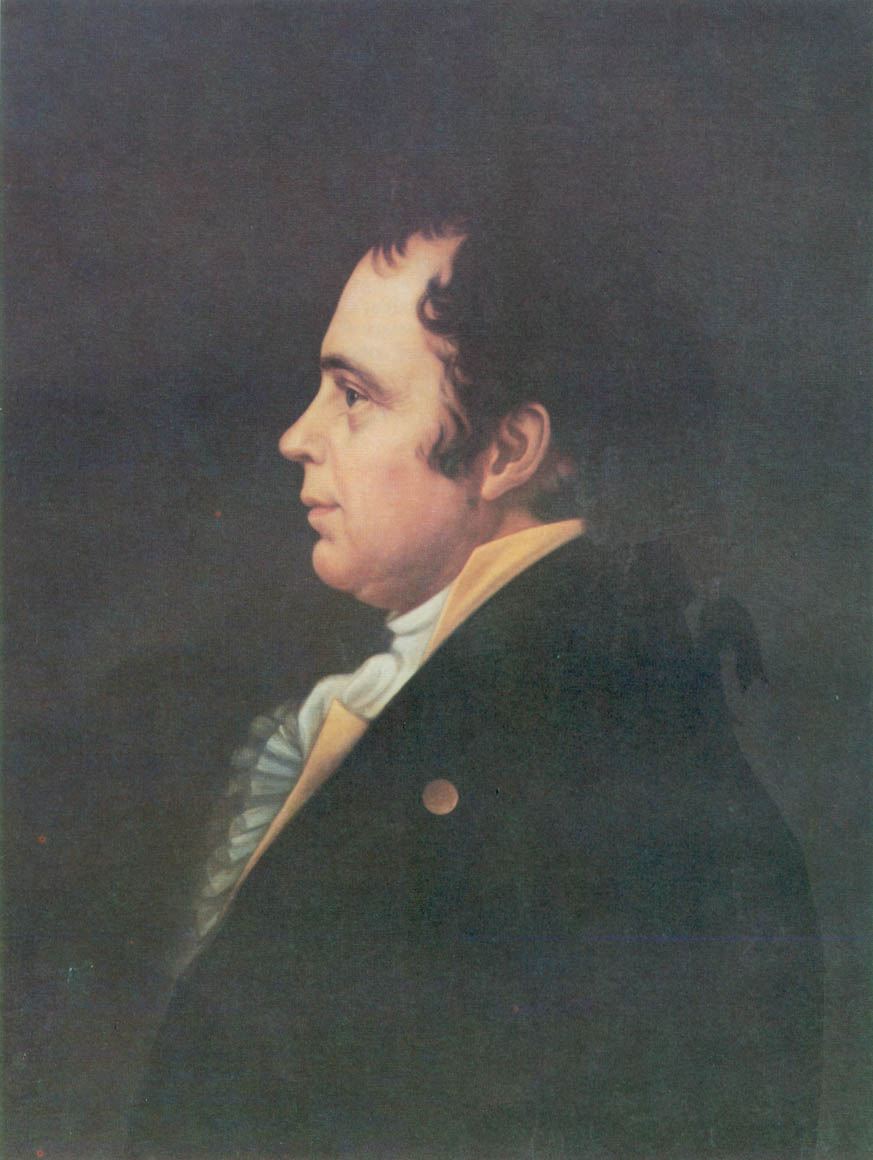
James McHenry
James McHenry (November 16, 1753 – May 3, 1816) was an Irish American military surgeon, statesman, and a Founding Father of the United States. McHenry was a signer of the United States Constitution from Maryland, initiated the recommendation for Congress to form the Navy, and was the eponym of Fort McHenry. He represented Maryland in the Continental Congress. He was a delegate to the Maryland State Convention of 1788, to vote whether Maryland should ratify the proposed Constitution of the United States. He served as United States Secretary of War from 1796 to 1800, bridging the administrations of George Washington and John Adams. At the time of his death, McHenry owned 10 slaves, most of whom either worked as household servants or maintained his estate.
McHenry was born into a Presbyterian Scots-Irish/Ulster Scots family in Ballymena, County Antrim, Ireland, in 1753. Alarmed that he was becoming sick from excessive studying, his family in 1771 sent him to North America to recuperate. Recent scholarship suggests that the family may have also sent him to the colonies as an "advanced scout" to see if the entire family would wish to relocate, which they did a year later. Upon arrival, McHenry lived with a family friend in Philadelphia before finishing his preparatory education at Newark Academy in Delaware. Afterward, he returned to Philadelphia, where he apprenticed under Benjamin Rush and became a physician.
McHenry served as a skilled and dedicated surgeon during the American Revolutionary War. On August 10, 1776, he was appointed surgeon of the Fifth Pennsylvania Battalion, stationed at Fort Washington (New York). He was taken prisoner the following November when the fort was taken by Sir William Howe. While in British custody, he observed that prisoners were given very poor medical attention and initiated reports to that effect, to no avail.
He was paroled in January 1777, then released from parole in March 1778. Having sufficiently impressed George Washington, he was appointed aide as secretary to the commander-in-chief in May 1779. McHenry was present at the Battle of Monmouth. In August 1780, he was transferred to Lafayette's staff, where he remained until he retired from the army in the autumn of 1781.
Although eligible, McHenry did not join The Society of the Cincinnati as an original member when it was established in 1783. His son John was admitted as a member in the state of Maryland in 1816, representing his father.
He was elected by the legislature to the Maryland Senate on September 17, 1781, and as delegate to Congress on December 2, 1784. In 1787, he was a Maryland delegate to the Constitutional Convention, which drafted the United States Constitution. After a controversial campaign, he was elected to the Maryland House of Delegates on October 10, 1788. Two years later he retired from public life and spent a year actively engaged in mercantile business. On November 15, 1791, he accepted a second term in the Maryland Senate and served five years.
During Washington's second term as president (1793–97), political events created a number of vacancies in his cabinet. After several other candidates had declined the office, Washington appointed McHenry secretary of war in 1796 and immediately assigned him the task of facilitating the transition of Western military posts from Great Britain's control to that of the United States under the terms of the Jay Treaty.
McHenry advised the Senate committee against reducing military forces. He was instrumental in reorganizing the United States Army into four regiments of infantry, a troop of dragoons, and a battery of artillery. He is credited with establishing the United States Department of the Navy, based on his recommendation that the "War Department should be assisted by a commissioner of marine" on March 8, 1798.
Hub AI
James McHenry AI simulator
(@James McHenry_simulator)
James McHenry
James McHenry (November 16, 1753 – May 3, 1816) was an Irish American military surgeon, statesman, and a Founding Father of the United States. McHenry was a signer of the United States Constitution from Maryland, initiated the recommendation for Congress to form the Navy, and was the eponym of Fort McHenry. He represented Maryland in the Continental Congress. He was a delegate to the Maryland State Convention of 1788, to vote whether Maryland should ratify the proposed Constitution of the United States. He served as United States Secretary of War from 1796 to 1800, bridging the administrations of George Washington and John Adams. At the time of his death, McHenry owned 10 slaves, most of whom either worked as household servants or maintained his estate.
McHenry was born into a Presbyterian Scots-Irish/Ulster Scots family in Ballymena, County Antrim, Ireland, in 1753. Alarmed that he was becoming sick from excessive studying, his family in 1771 sent him to North America to recuperate. Recent scholarship suggests that the family may have also sent him to the colonies as an "advanced scout" to see if the entire family would wish to relocate, which they did a year later. Upon arrival, McHenry lived with a family friend in Philadelphia before finishing his preparatory education at Newark Academy in Delaware. Afterward, he returned to Philadelphia, where he apprenticed under Benjamin Rush and became a physician.
McHenry served as a skilled and dedicated surgeon during the American Revolutionary War. On August 10, 1776, he was appointed surgeon of the Fifth Pennsylvania Battalion, stationed at Fort Washington (New York). He was taken prisoner the following November when the fort was taken by Sir William Howe. While in British custody, he observed that prisoners were given very poor medical attention and initiated reports to that effect, to no avail.
He was paroled in January 1777, then released from parole in March 1778. Having sufficiently impressed George Washington, he was appointed aide as secretary to the commander-in-chief in May 1779. McHenry was present at the Battle of Monmouth. In August 1780, he was transferred to Lafayette's staff, where he remained until he retired from the army in the autumn of 1781.
Although eligible, McHenry did not join The Society of the Cincinnati as an original member when it was established in 1783. His son John was admitted as a member in the state of Maryland in 1816, representing his father.
He was elected by the legislature to the Maryland Senate on September 17, 1781, and as delegate to Congress on December 2, 1784. In 1787, he was a Maryland delegate to the Constitutional Convention, which drafted the United States Constitution. After a controversial campaign, he was elected to the Maryland House of Delegates on October 10, 1788. Two years later he retired from public life and spent a year actively engaged in mercantile business. On November 15, 1791, he accepted a second term in the Maryland Senate and served five years.
During Washington's second term as president (1793–97), political events created a number of vacancies in his cabinet. After several other candidates had declined the office, Washington appointed McHenry secretary of war in 1796 and immediately assigned him the task of facilitating the transition of Western military posts from Great Britain's control to that of the United States under the terms of the Jay Treaty.
McHenry advised the Senate committee against reducing military forces. He was instrumental in reorganizing the United States Army into four regiments of infantry, a troop of dragoons, and a battery of artillery. He is credited with establishing the United States Department of the Navy, based on his recommendation that the "War Department should be assisted by a commissioner of marine" on March 8, 1798.