



Community hub
Recent from talks
Knowledge base stats:
Talk channels stats:
Members stats:
James Sullivan (governor)
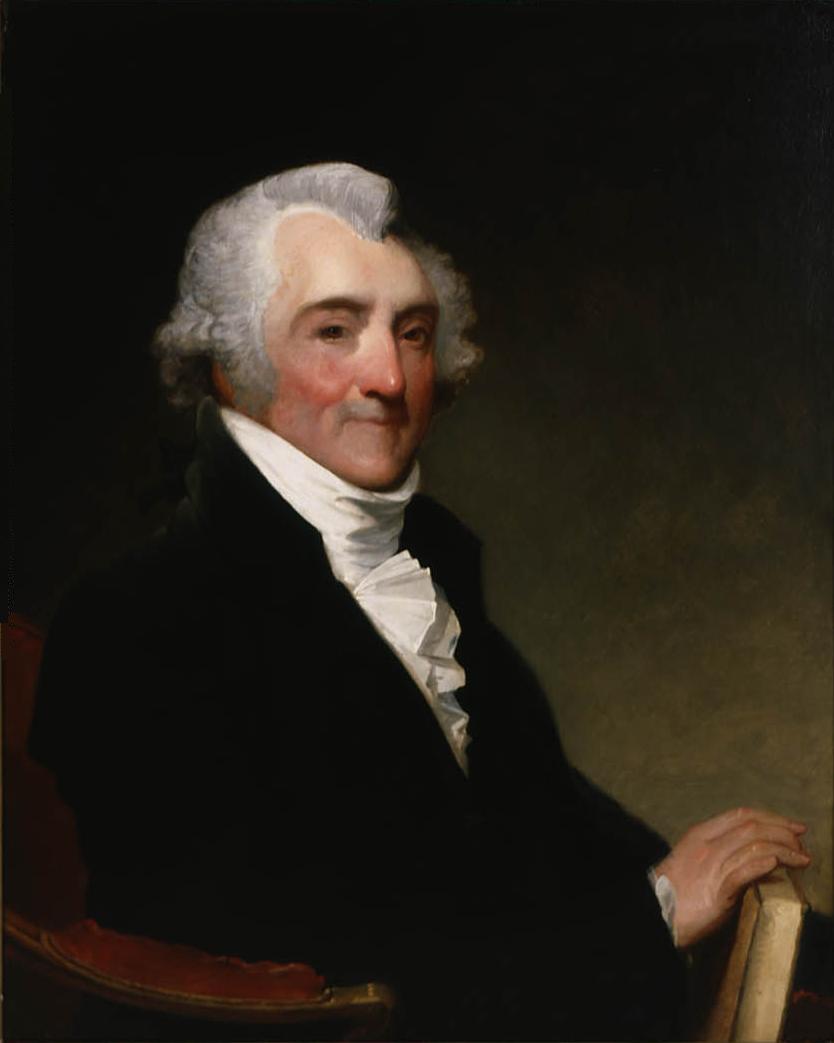
James Sullivan (April 22, 1744 – December 10, 1808) was an American lawyer and politician in Massachusetts. He was an early associate justice of the Massachusetts Supreme Judicial Court, served as the state's attorney general for many years, and as governor of the state from 1807 until his death.
Sullivan was born and raised in Berwick, Maine (then part of Massachusetts), and studied law with his brother John. After establishing a successful law practice, he became actively involved in the Massachusetts state government during the American Revolutionary War, and was appointed to the state's highest court in March 1776. He was involved in drafting the state constitution and the state's ratifying convention for the United States Constitution. After resigning from the bench in 1782 he returned to private practice, and was appointed Attorney General in 1790. During his years as judge and attorney general he was responsible for drafting and revising much of the state's legislation as part of the transition from British rule to independence. While attorney general he worked with the commission that established the border between Maine and New Brunswick, and prosecuted several high-profile murder cases.
Sullivan was a political partisan, supporting the Democratic-Republican Party and subscribing to Jeffersonian republican ideals. He supported John Hancock and Samuel Adams in their political careers, and was a frequent contributor, often under one of many pseudonyms, to political dialogue in the state's newspapers. He ran unsuccessfully for governor several times before finally winning the office in 1807. He died in office during his second term.
In addition to his political pursuits Sullivan engaged in charitable and business endeavors. He was a leading proponent of the Middlesex Canal and the first bridge between Boston and Cambridge, and was instrumental in the development of Boston's first public water supply. He was the founding president of the Massachusetts Historical Society, and held membership in a variety of other charitable organizations. He wrote one of the first histories of his native Maine, and a legal text on land titles. Legal historian Charles Warren calls him one of the most important legal figures of the time in Massachusetts.
James Sullivan was born on April 22, 1744, the fourth son of John Sullivan and Margery Brown Sullivan, in Berwick, in a part of the Province of Massachusetts Bay that is now the state of Maine. Sullivan's father was from the Beara peninsula in the Cork /Kerry area and his mother was a child aboard the ship on which they came over. When she was older he wooed and wed her. The elder Sullivan was a schoolteacher and farmer in Berwick. Sullivan was educated at home, and any prospects for military service were dashed when his foot was crushed in a childhood accident. He was also afflicted with epilepsy while relatively young, and suffered generally mild seizures (but sometimes lasting several hours) for the rest of his life. While convalescing from his foot injury he read a great deal, learning Latin and the classics. His elder brother John, who was studying law, was instructed to supply his brother with law books and training. Sullivan studied law in his brother's law practice in Durham, New Hampshire, and was eventually admitted to the bar in Massachusetts. He established a practice first in Georgetown, then shortly afterward in Biddeford, where he was the town's first resident lawyer. In 1768 he married Hetty Odiorne, the daughter of a successful Portsmouth, New Hampshire merchant.
Sullivan's law practice flourished, and by the time he was 30, he was one of York County's leading citizens. He supplemented his legal work by acting as an agent for Boston-based merchant interests, including John Hancock, one of Boston's wealthiest men. For his services as a lawyer defending land claims, in 1773 Sullivan was offered a tract within one of the claims he defended. He accepted, and the property was organized as Limerick Plantation, named after the birthplace of his father. In 1775 he helped settle the town (personally assisting in the clearing of land), which on March 6, 1787 would be incorporated as the town of Limerick. James Sullivan is regarded as a descendant of the O'Sullivan Beare clan, from the Beara Peninsula of the Cork and Kerry area. According to John Adams, Sullivan used his financial rewards to invest in local real estate, including farmlands and mills.
Sullivan was an early and outspoken opponent of British colonial policies leading to the revolution. He was elected to the provincial assembly in 1774. When it first met in June, Sullivan was a leader in calling for a Continental Congress. When Governor Thomas Gage indefinitely delayed the next meeting of the assembly the following October, its members met anyway, establishing the Massachusetts Provincial Congress. This body exercised de facto control over Massachusetts during the early years of the American Revolutionary War. In addition to sitting in the provincial congress, Sullivan was a leading organizer of colonial defenses in York County, sitting on its committee of correspondence and other bodies. He was sent in 1775 as part of a commission to inspect the troops and facilities at Fort Ticonderoga in upstate New York, which was nominally under the control of Benedict Arnold, who had been issued a Massachusetts colonel's commission and succeeded in capturing it with the assistance of Ethan Allen. The arduous journey made Sullivan ill for several months afterward.
In late 1775 Sullivan was a member of the committee that drafted legislation establishing the Massachusetts State Navy. Under its terms, three positions were established for admiralty judges; Sullivan was appointed to be the admiralty judge for the eastern district (i.e. Maine) in addition to his other duties. During his period of service in the provincial congress he drafted a large amount of legislation and was tireless in his activities on many committees. He resigned this post when in March 1776 he was offered a seat on the Superior Court of Judicature (as the Massachusetts Supreme Judicial Court was then known).
Hub AI
James Sullivan (governor) AI simulator
(@James Sullivan (governor)_simulator)
James Sullivan (governor)
James Sullivan (April 22, 1744 – December 10, 1808) was an American lawyer and politician in Massachusetts. He was an early associate justice of the Massachusetts Supreme Judicial Court, served as the state's attorney general for many years, and as governor of the state from 1807 until his death.
Sullivan was born and raised in Berwick, Maine (then part of Massachusetts), and studied law with his brother John. After establishing a successful law practice, he became actively involved in the Massachusetts state government during the American Revolutionary War, and was appointed to the state's highest court in March 1776. He was involved in drafting the state constitution and the state's ratifying convention for the United States Constitution. After resigning from the bench in 1782 he returned to private practice, and was appointed Attorney General in 1790. During his years as judge and attorney general he was responsible for drafting and revising much of the state's legislation as part of the transition from British rule to independence. While attorney general he worked with the commission that established the border between Maine and New Brunswick, and prosecuted several high-profile murder cases.
Sullivan was a political partisan, supporting the Democratic-Republican Party and subscribing to Jeffersonian republican ideals. He supported John Hancock and Samuel Adams in their political careers, and was a frequent contributor, often under one of many pseudonyms, to political dialogue in the state's newspapers. He ran unsuccessfully for governor several times before finally winning the office in 1807. He died in office during his second term.
In addition to his political pursuits Sullivan engaged in charitable and business endeavors. He was a leading proponent of the Middlesex Canal and the first bridge between Boston and Cambridge, and was instrumental in the development of Boston's first public water supply. He was the founding president of the Massachusetts Historical Society, and held membership in a variety of other charitable organizations. He wrote one of the first histories of his native Maine, and a legal text on land titles. Legal historian Charles Warren calls him one of the most important legal figures of the time in Massachusetts.
James Sullivan was born on April 22, 1744, the fourth son of John Sullivan and Margery Brown Sullivan, in Berwick, in a part of the Province of Massachusetts Bay that is now the state of Maine. Sullivan's father was from the Beara peninsula in the Cork /Kerry area and his mother was a child aboard the ship on which they came over. When she was older he wooed and wed her. The elder Sullivan was a schoolteacher and farmer in Berwick. Sullivan was educated at home, and any prospects for military service were dashed when his foot was crushed in a childhood accident. He was also afflicted with epilepsy while relatively young, and suffered generally mild seizures (but sometimes lasting several hours) for the rest of his life. While convalescing from his foot injury he read a great deal, learning Latin and the classics. His elder brother John, who was studying law, was instructed to supply his brother with law books and training. Sullivan studied law in his brother's law practice in Durham, New Hampshire, and was eventually admitted to the bar in Massachusetts. He established a practice first in Georgetown, then shortly afterward in Biddeford, where he was the town's first resident lawyer. In 1768 he married Hetty Odiorne, the daughter of a successful Portsmouth, New Hampshire merchant.
Sullivan's law practice flourished, and by the time he was 30, he was one of York County's leading citizens. He supplemented his legal work by acting as an agent for Boston-based merchant interests, including John Hancock, one of Boston's wealthiest men. For his services as a lawyer defending land claims, in 1773 Sullivan was offered a tract within one of the claims he defended. He accepted, and the property was organized as Limerick Plantation, named after the birthplace of his father. In 1775 he helped settle the town (personally assisting in the clearing of land), which on March 6, 1787 would be incorporated as the town of Limerick. James Sullivan is regarded as a descendant of the O'Sullivan Beare clan, from the Beara Peninsula of the Cork and Kerry area. According to John Adams, Sullivan used his financial rewards to invest in local real estate, including farmlands and mills.
Sullivan was an early and outspoken opponent of British colonial policies leading to the revolution. He was elected to the provincial assembly in 1774. When it first met in June, Sullivan was a leader in calling for a Continental Congress. When Governor Thomas Gage indefinitely delayed the next meeting of the assembly the following October, its members met anyway, establishing the Massachusetts Provincial Congress. This body exercised de facto control over Massachusetts during the early years of the American Revolutionary War. In addition to sitting in the provincial congress, Sullivan was a leading organizer of colonial defenses in York County, sitting on its committee of correspondence and other bodies. He was sent in 1775 as part of a commission to inspect the troops and facilities at Fort Ticonderoga in upstate New York, which was nominally under the control of Benedict Arnold, who had been issued a Massachusetts colonel's commission and succeeded in capturing it with the assistance of Ethan Allen. The arduous journey made Sullivan ill for several months afterward.
In late 1775 Sullivan was a member of the committee that drafted legislation establishing the Massachusetts State Navy. Under its terms, three positions were established for admiralty judges; Sullivan was appointed to be the admiralty judge for the eastern district (i.e. Maine) in addition to his other duties. During his period of service in the provincial congress he drafted a large amount of legislation and was tireless in his activities on many committees. He resigned this post when in March 1776 he was offered a seat on the Superior Court of Judicature (as the Massachusetts Supreme Judicial Court was then known).