



Community hub
Recent from talks
Knowledge base stats:
Talk channels stats:
Members stats:
Jedlesee
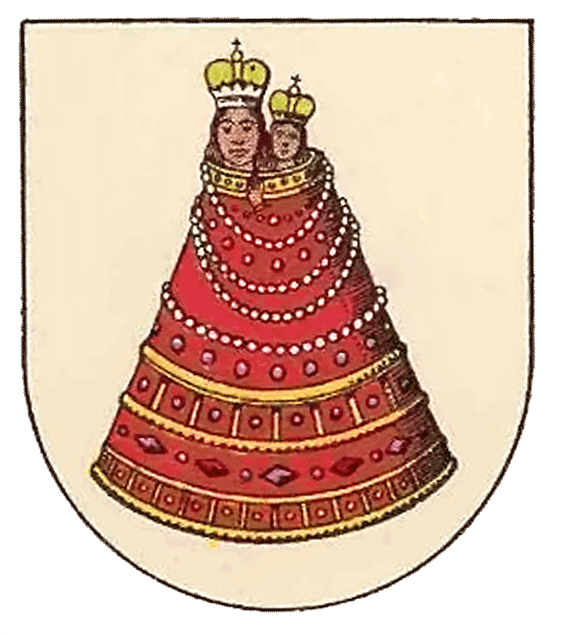
Jedlesee (German pronunciation: [ˌjeːdləˈzeː] ⓘ; sometimes spelled Jedlersee) is a suburb of Floridsdorf, the 21st district of Vienna. An independent community until 1894, it was joined along with Leopoldau, Donaufeld, Floridsdorf and Neu Jedlesdorf to the greater Floridsdorf municipality, becoming part of Vienna in 1904. Jedlesee is most notable for being the site of the estate of Countess Anna Maria Erdődy, close friend and patron of Beethoven, who stayed there with her on numerous occasions between 1805 and 1818.
Originally a farming and fishing settlement situated on the Danubian flood-plain, the village of Jedlesee was re-established by the Franconians at the embarkation point of the Marchfeld to Nussdorf ferry crossing, after the victory of Otto I over the Magyars at the battle of Lechfeld. The place-name "Uotcinessevve" - ascribed to Jedlesee - is mentioned in a deed of gift of the diocese of Passau, to which the area belonged, made by Holy Roman Emperor Heinrich II to Bishop Berengar on 5 July 1014. From later times the names Utzinsee (c. 1120), Utzeinsee (1324) and Utzessee (1455) are known. The inhabitants of Jedlesee and their overlords gained prosperity through fishing and the passage of travellers to Vienna, but with the building of three bridges across the Danube arms in 1439, Jedlesee's fortunes declined through Vienna's own collection of tolls for the crossing and the rights thereto. Subject to repeated flood damage over the centuries, the village was rebuilt many times, gaining stability only after the Vienna Danube regulation of 1870–75.
In 1529 and again in 1683, Jedlesee was laid waste by the Turks. From 1533 the lords of Sinzendorf owned the village, but in 1575, after years of disputes over traffic rights, the brothers Friedrich and Tiburtius Counts Sinzendorf sold the entire site to Vienna's Brückenamt (bridge authority). From 1587, the name Jedlesee, formed by a spoonerism, is heard for the first time. Between 1573 and 1642 Jedlesee was a sovereign fief, first mentioned by a local judge (Gerstl) in 1587.
During the Bocskai uprising, battles were fought with the cavalry of István Bocskai, and in 1619 and 1645 with the Swedes during the Thirty Years War. In 1642 Andre Gurlandt bought the fief for 200 guilders as a free inheritance; 18 different owners followed him (among them Albert Lonqueval Count Bouquoy in 1696 and the personal physician of Maria Theresa, Anton Freiherr von Störck, in 1778), the last of whom sold the domain to Klosterneuburg Monastery in 1841. In 1700 the Jedlesee manor house (founded c. 1650) was restored, and in 1712/1713 the Loretto Chapel (Jedlesee Church) was built.
Jedlesee's Aupark is one of the last natural green oases in Floridsdorf that remained after the regulation of the Danube. The O'Brien monument at the northern entrance of the park commemorates Major General Johann Freiherr von O'Brien, who succeeded in forcing a retreat of the French in 1809 with only a handful of Austrian soldiers, thereby achieving an important prerequisite for the victory of Archduke Charles in the Battle of Aspern.
Jedlesee is a sub-district of Floridsdorf, the 21st district of Vienna, which belonged to Lower Austria until 1904. From the time of incorporation, an ever-faster development of agricultural villages resulted in the modern-day suburban settlement.
The old village of Jedlesee stood at the southwest end of the Marchfeld basin. It was built on a tributary of the Danube known as the "black lacquer" (Schwarzen Lacke), which is still recognizable today as a strip of meadow abutting the church and close to the Erdödy-Beethoven Memorial. This branch of the Danube was the most frequent cause of the periodic destruction of Jedlesee by a river which brought both flooding and ice impacts. With the Vienna Danube regulation, the "black lacquer" was separated from the river's main stream and filled in after the Second World War with rubble from bombed Viennese houses and industrial waste.
The "Black Lacquer" area north of the old arm of the Danube forms its own cadastral community, which today is regarded as part of the Jedlesee sub-district. The Jedlesee cadastral communities (covering 144.97 ha) and the Schwarze Lackenau (518.62 ha) together extend over an area of 663.59 ha. 85.97 ha of Schwarze Lackenau are located in the Döbling municipal district, 30 ha in the Brigittenau district. However, these parts are water areas of the Danube. The "Black Lacquer" area also includes sections of the Danube Island and the Marchfeld canal.
Hub AI
Jedlesee AI simulator
(@Jedlesee_simulator)
Jedlesee
Jedlesee (German pronunciation: [ˌjeːdləˈzeː] ⓘ; sometimes spelled Jedlersee) is a suburb of Floridsdorf, the 21st district of Vienna. An independent community until 1894, it was joined along with Leopoldau, Donaufeld, Floridsdorf and Neu Jedlesdorf to the greater Floridsdorf municipality, becoming part of Vienna in 1904. Jedlesee is most notable for being the site of the estate of Countess Anna Maria Erdődy, close friend and patron of Beethoven, who stayed there with her on numerous occasions between 1805 and 1818.
Originally a farming and fishing settlement situated on the Danubian flood-plain, the village of Jedlesee was re-established by the Franconians at the embarkation point of the Marchfeld to Nussdorf ferry crossing, after the victory of Otto I over the Magyars at the battle of Lechfeld. The place-name "Uotcinessevve" - ascribed to Jedlesee - is mentioned in a deed of gift of the diocese of Passau, to which the area belonged, made by Holy Roman Emperor Heinrich II to Bishop Berengar on 5 July 1014. From later times the names Utzinsee (c. 1120), Utzeinsee (1324) and Utzessee (1455) are known. The inhabitants of Jedlesee and their overlords gained prosperity through fishing and the passage of travellers to Vienna, but with the building of three bridges across the Danube arms in 1439, Jedlesee's fortunes declined through Vienna's own collection of tolls for the crossing and the rights thereto. Subject to repeated flood damage over the centuries, the village was rebuilt many times, gaining stability only after the Vienna Danube regulation of 1870–75.
In 1529 and again in 1683, Jedlesee was laid waste by the Turks. From 1533 the lords of Sinzendorf owned the village, but in 1575, after years of disputes over traffic rights, the brothers Friedrich and Tiburtius Counts Sinzendorf sold the entire site to Vienna's Brückenamt (bridge authority). From 1587, the name Jedlesee, formed by a spoonerism, is heard for the first time. Between 1573 and 1642 Jedlesee was a sovereign fief, first mentioned by a local judge (Gerstl) in 1587.
During the Bocskai uprising, battles were fought with the cavalry of István Bocskai, and in 1619 and 1645 with the Swedes during the Thirty Years War. In 1642 Andre Gurlandt bought the fief for 200 guilders as a free inheritance; 18 different owners followed him (among them Albert Lonqueval Count Bouquoy in 1696 and the personal physician of Maria Theresa, Anton Freiherr von Störck, in 1778), the last of whom sold the domain to Klosterneuburg Monastery in 1841. In 1700 the Jedlesee manor house (founded c. 1650) was restored, and in 1712/1713 the Loretto Chapel (Jedlesee Church) was built.
Jedlesee's Aupark is one of the last natural green oases in Floridsdorf that remained after the regulation of the Danube. The O'Brien monument at the northern entrance of the park commemorates Major General Johann Freiherr von O'Brien, who succeeded in forcing a retreat of the French in 1809 with only a handful of Austrian soldiers, thereby achieving an important prerequisite for the victory of Archduke Charles in the Battle of Aspern.
Jedlesee is a sub-district of Floridsdorf, the 21st district of Vienna, which belonged to Lower Austria until 1904. From the time of incorporation, an ever-faster development of agricultural villages resulted in the modern-day suburban settlement.
The old village of Jedlesee stood at the southwest end of the Marchfeld basin. It was built on a tributary of the Danube known as the "black lacquer" (Schwarzen Lacke), which is still recognizable today as a strip of meadow abutting the church and close to the Erdödy-Beethoven Memorial. This branch of the Danube was the most frequent cause of the periodic destruction of Jedlesee by a river which brought both flooding and ice impacts. With the Vienna Danube regulation, the "black lacquer" was separated from the river's main stream and filled in after the Second World War with rubble from bombed Viennese houses and industrial waste.
The "Black Lacquer" area north of the old arm of the Danube forms its own cadastral community, which today is regarded as part of the Jedlesee sub-district. The Jedlesee cadastral communities (covering 144.97 ha) and the Schwarze Lackenau (518.62 ha) together extend over an area of 663.59 ha. 85.97 ha of Schwarze Lackenau are located in the Döbling municipal district, 30 ha in the Brigittenau district. However, these parts are water areas of the Danube. The "Black Lacquer" area also includes sections of the Danube Island and the Marchfeld canal.