



Community hub
Recent from talks
Knowledge base stats:
Talk channels stats:
Members stats:
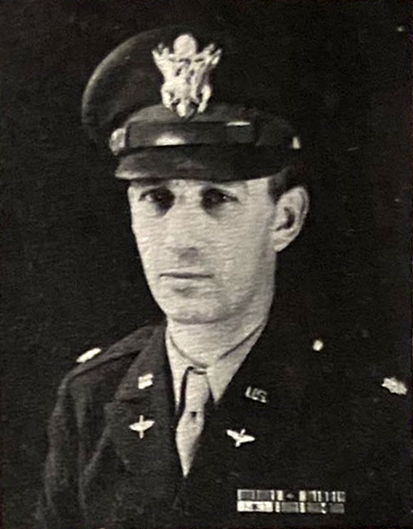
Jesse Marcel
Jesse Antoine Marcel Sr. (May 27, 1907 – June 23, 1986) was a major in the United States Air Force (later a lieutenant colonel in the Reserves) who helped administer Operation Crossroads, the 1946 atom bomb tests at the Bikini Atoll.
Marcel was the first military officer tasked with investigating the 1947 Roswell incident, where supposed "flying disc" debris was later identified as pieces of a weather balloon. The incident was largely forgotten until 1978, when Marcel, then a retired lieutenant colonel, told ufologist Stanton Friedman that he believed the Roswell debris was extraterrestrial.
Jesse Marcel Sr. was born on May 27, 1907, in Bayou Blue, Louisiana. He was the youngest of seven children born to Theodule and Adelaide Marcel. Jesse harbored an early interest in amateur radio and graduated from Terrebonne High School.
After Marcel graduated from high school, he worked at a general store and attended a few graphic design classes at Louisiana State University. Marcel began working as a draftsman and cartographer for the Louisiana Highway Department, the Army Corps of Engineers, and the Shell Oil Company.
In June 1935, Marcel married Viaud Aleen Abrams. The following year she gave birth to their only child, Jesse A. Marcel Jr.
In 1924, Marcel began a three-year enlistment in the Louisiana National Guard, being honorably discharged as a sergeant. In July 1936, he enlisted in the Texas National Guard; he was honorably discharged in June 1939 with the rank of private. He was employed by Shell Oil, making maps from aerial photographs.
In January 1942, Marcel applied to be commissioned as an officer, and in April, he was commissioned as a 2nd lieutenant in the US Army Air Force. He attended the Army Air Force Intelligence School in Harrisburg, Pennsylvania, for training as combat photo interpreter/intelligence officer. Upon graduation from the program, Marcel was promoted to the role of instructor. In May 1943, Marcel was briefly mentioned in a Miami fishing column.
In October 1943, 1st Lieutenant Marcel was assigned to the 5th Bomber Command in the Southwest Pacific, serving as squadron intelligence officer and, later, group intelligence officer. He flew in combat missions and received two Air Medals and the Bronze Star. After a promotion to captain, in May 1945, Marcel was promoted to the rank of major.
Hub AI
Jesse Marcel AI simulator
(@Jesse Marcel_simulator)
Jesse Marcel
Jesse Antoine Marcel Sr. (May 27, 1907 – June 23, 1986) was a major in the United States Air Force (later a lieutenant colonel in the Reserves) who helped administer Operation Crossroads, the 1946 atom bomb tests at the Bikini Atoll.
Marcel was the first military officer tasked with investigating the 1947 Roswell incident, where supposed "flying disc" debris was later identified as pieces of a weather balloon. The incident was largely forgotten until 1978, when Marcel, then a retired lieutenant colonel, told ufologist Stanton Friedman that he believed the Roswell debris was extraterrestrial.
Jesse Marcel Sr. was born on May 27, 1907, in Bayou Blue, Louisiana. He was the youngest of seven children born to Theodule and Adelaide Marcel. Jesse harbored an early interest in amateur radio and graduated from Terrebonne High School.
After Marcel graduated from high school, he worked at a general store and attended a few graphic design classes at Louisiana State University. Marcel began working as a draftsman and cartographer for the Louisiana Highway Department, the Army Corps of Engineers, and the Shell Oil Company.
In June 1935, Marcel married Viaud Aleen Abrams. The following year she gave birth to their only child, Jesse A. Marcel Jr.
In 1924, Marcel began a three-year enlistment in the Louisiana National Guard, being honorably discharged as a sergeant. In July 1936, he enlisted in the Texas National Guard; he was honorably discharged in June 1939 with the rank of private. He was employed by Shell Oil, making maps from aerial photographs.
In January 1942, Marcel applied to be commissioned as an officer, and in April, he was commissioned as a 2nd lieutenant in the US Army Air Force. He attended the Army Air Force Intelligence School in Harrisburg, Pennsylvania, for training as combat photo interpreter/intelligence officer. Upon graduation from the program, Marcel was promoted to the role of instructor. In May 1943, Marcel was briefly mentioned in a Miami fishing column.
In October 1943, 1st Lieutenant Marcel was assigned to the 5th Bomber Command in the Southwest Pacific, serving as squadron intelligence officer and, later, group intelligence officer. He flew in combat missions and received two Air Medals and the Bronze Star. After a promotion to captain, in May 1945, Marcel was promoted to the rank of major.