
Recent from talks
Jim Garrison
Knowledge base stats:
Talk channels stats:
Members stats:
Jim Garrison
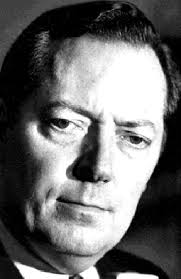
James Carothers Garrison (born Earling Carothers Garrison; November 20, 1921 – October 21, 1992) was the District Attorney of Orleans Parish, Louisiana, from 1962 to 1973 and later a state appellate court judge. A member of the Democratic Party, he is best known for his investigations into the assassination of John F. Kennedy and the prosecution of New Orleans businessman Clay Shaw to that effect in 1969, which ended in Shaw's acquittal. Garrison believed the assassination was the result of a conspiracy involving the CIA, FBI, The Pentagon (United States Department of Defense), the Mafia and other organizations. He wrote three published books, one of which became a prime source for Oliver Stone's film JFK in 1991, in which Garrison was portrayed by Kevin Costner, while Garrison himself made a cameo appearance as Earl Warren.
Garrison was born in Denison, Iowa, in 1921. He was the first child and only son of Earling R. Garrison and Jane Anne Robinson, who divorced when he was two years old. His family moved to New Orleans quite early into his childhood, where he was raised by his divorced mother. He served in the U.S. Army Air Forces during World War II, having joined the year before the Japanese attack on Pearl Harbor. After the war he obtained a law degree from Tulane University Law School in 1949. He then worked for the Federal Bureau of Investigation (FBI) for two years where he was stationed with the Seattle office.
Leading up to the Korean War era, Garrison joined the National Guard, even applying for active duty with the Army in 1951, but because of recurring nightmares of past missions Garrison was then relieved of duty by the Army. Remaining in the Guard, when it became apparent that he suffered from shell shock due to his numerous bombing missions flown during World War II, led one Army doctor to conclude that Garrison had a "severe and disabling psychoneurosis" which "interfered with his social and professional adjustment to a marked degree. He was considered totally incapacitated from the standpoint of military duty and moderately incapacitated in civilian adaptability." Yet, when his record was reviewed further by the U.S. Army Surgeon General, he "found him to be physically qualified for federal recognition in the national army." Upon returning again to civilian life, Garrison worked in several different trial lawyer positions before winning election as New Orleans District Attorney, starting with his first of three terms in January 1962.
In the years prior to winning office as New Orleans District Attorney in 1961, Garrison worked for the New Orleans law firm of Deutsch, Kerrigan & Stiles from 1954 to 1958, before he first became an assistant district attorney. Garrison became a flamboyant, colorful, well-known figure in New Orleans, but was initially unsuccessful in his run for public office. He lost a 1959 election for criminal court judge. In 1961, he ran for district attorney and won against incumbent Richard Dowling by 6,000 votes in a five-man Democratic primary. Despite lack of major political backing, he facilitated his victory through excellent performance in a television debate and last-minute television commercials.
Once in office, Garrison cracked down on prostitution and the abuses of Bourbon Street bars and strip joints. He indicted Dowling and one of his assistants for criminal malfeasance, but the charges were dismissed for lack of evidence. Garrison did not appeal. Garrison received national attention for a series of vice raids in the French Quarter, staged sometimes on a nightly basis. Newspaper headlines in 1962 praised Garrison's efforts, "Quarter Crime Emergency Declared by Police, DA. – Garrison Back, Vows Vice Drive to Continue – 14 Arrested, 12 more nabbed in Vice Raids." Garrison's critics often point out that many of the arrests made by his office did not result in convictions, implying that he was in the habit of making arrests without evidence; however, assistant DA William Alford said that charges would, more often than not, be reduced or dropped if a relative of someone charged gained Garrison's ear. Alford said Garrison had "a heart of gold".
After a conflict with local criminal judges over his budget, Garrison accused them of racketeering and conspiring against him. The eight judges charged him with misdemeanor criminal defamation, and Garrison was convicted in January 1963. In 1964, the U.S. Supreme Court overturned the conviction and struck down the state statute as unconstitutional. At the same time, Garrison indicted Judge Bernard Cocke with criminal malfeasance and, in two trials prosecuted by Garrison himself, Cocke was acquitted. Garrison charged nine policemen with brutality, but dropped the charges two weeks later. At a press conference, he accused the state parole board of accepting bribes, but could obtain no indictments. Critical of the state legislature, Garrison was unanimously censured by it for "deliberately maligning all of the members". In 1965, running for reelection against Judge Malcolm O'Hara, Garrison won with 60 percent of the vote.
As New Orleans D.A., in late 1966, Garrison began an investigation into the assassination of President John F. Kennedy, after receiving several tips from Jack Martin that a man named David Ferrie may have been involved in the assassination. The result of Garrison's investigation was the arrest and trial of New Orleans businessman Clay Shaw in 1969, with Shaw being unanimously acquitted less than one hour after the case went to the jury. Garrison was able to subpoena the Zapruder film from Life magazine. Thus, members of the American public – i.e., the jurors of the case – were shown the movie for the first time. Until the trial, the film rarely had been seen, and copies were made by assassination investigator Steve Jaffe, who was working with Garrison's office. In 2015, Garrison's lead investigator's daughter released his copy of the film, along with a number of his personal papers from the investigation.
Garrison's key witness against Shaw was Perry Russo, a 25-year-old insurance salesman from Baton Rouge, Louisiana. At the trial, Russo testified that he had attended a party at anti-Castro activist David Ferrie's apartment. At the party, Russo said that Lee Harvey Oswald (whom Russo said was introduced to him as "Leon Oswald"), David Ferrie, and "Clem Bertrand" (whom Russo identified in the courtroom as Clay Shaw) had discussed killing President Kennedy. The conversation included plans for the "triangulation of crossfire" and alibis for the participants.
Hub AI
Jim Garrison AI simulator
(@Jim Garrison_simulator)
Jim Garrison
James Carothers Garrison (born Earling Carothers Garrison; November 20, 1921 – October 21, 1992) was the District Attorney of Orleans Parish, Louisiana, from 1962 to 1973 and later a state appellate court judge. A member of the Democratic Party, he is best known for his investigations into the assassination of John F. Kennedy and the prosecution of New Orleans businessman Clay Shaw to that effect in 1969, which ended in Shaw's acquittal. Garrison believed the assassination was the result of a conspiracy involving the CIA, FBI, The Pentagon (United States Department of Defense), the Mafia and other organizations. He wrote three published books, one of which became a prime source for Oliver Stone's film JFK in 1991, in which Garrison was portrayed by Kevin Costner, while Garrison himself made a cameo appearance as Earl Warren.
Garrison was born in Denison, Iowa, in 1921. He was the first child and only son of Earling R. Garrison and Jane Anne Robinson, who divorced when he was two years old. His family moved to New Orleans quite early into his childhood, where he was raised by his divorced mother. He served in the U.S. Army Air Forces during World War II, having joined the year before the Japanese attack on Pearl Harbor. After the war he obtained a law degree from Tulane University Law School in 1949. He then worked for the Federal Bureau of Investigation (FBI) for two years where he was stationed with the Seattle office.
Leading up to the Korean War era, Garrison joined the National Guard, even applying for active duty with the Army in 1951, but because of recurring nightmares of past missions Garrison was then relieved of duty by the Army. Remaining in the Guard, when it became apparent that he suffered from shell shock due to his numerous bombing missions flown during World War II, led one Army doctor to conclude that Garrison had a "severe and disabling psychoneurosis" which "interfered with his social and professional adjustment to a marked degree. He was considered totally incapacitated from the standpoint of military duty and moderately incapacitated in civilian adaptability." Yet, when his record was reviewed further by the U.S. Army Surgeon General, he "found him to be physically qualified for federal recognition in the national army." Upon returning again to civilian life, Garrison worked in several different trial lawyer positions before winning election as New Orleans District Attorney, starting with his first of three terms in January 1962.
In the years prior to winning office as New Orleans District Attorney in 1961, Garrison worked for the New Orleans law firm of Deutsch, Kerrigan & Stiles from 1954 to 1958, before he first became an assistant district attorney. Garrison became a flamboyant, colorful, well-known figure in New Orleans, but was initially unsuccessful in his run for public office. He lost a 1959 election for criminal court judge. In 1961, he ran for district attorney and won against incumbent Richard Dowling by 6,000 votes in a five-man Democratic primary. Despite lack of major political backing, he facilitated his victory through excellent performance in a television debate and last-minute television commercials.
Once in office, Garrison cracked down on prostitution and the abuses of Bourbon Street bars and strip joints. He indicted Dowling and one of his assistants for criminal malfeasance, but the charges were dismissed for lack of evidence. Garrison did not appeal. Garrison received national attention for a series of vice raids in the French Quarter, staged sometimes on a nightly basis. Newspaper headlines in 1962 praised Garrison's efforts, "Quarter Crime Emergency Declared by Police, DA. – Garrison Back, Vows Vice Drive to Continue – 14 Arrested, 12 more nabbed in Vice Raids." Garrison's critics often point out that many of the arrests made by his office did not result in convictions, implying that he was in the habit of making arrests without evidence; however, assistant DA William Alford said that charges would, more often than not, be reduced or dropped if a relative of someone charged gained Garrison's ear. Alford said Garrison had "a heart of gold".
After a conflict with local criminal judges over his budget, Garrison accused them of racketeering and conspiring against him. The eight judges charged him with misdemeanor criminal defamation, and Garrison was convicted in January 1963. In 1964, the U.S. Supreme Court overturned the conviction and struck down the state statute as unconstitutional. At the same time, Garrison indicted Judge Bernard Cocke with criminal malfeasance and, in two trials prosecuted by Garrison himself, Cocke was acquitted. Garrison charged nine policemen with brutality, but dropped the charges two weeks later. At a press conference, he accused the state parole board of accepting bribes, but could obtain no indictments. Critical of the state legislature, Garrison was unanimously censured by it for "deliberately maligning all of the members". In 1965, running for reelection against Judge Malcolm O'Hara, Garrison won with 60 percent of the vote.
As New Orleans D.A., in late 1966, Garrison began an investigation into the assassination of President John F. Kennedy, after receiving several tips from Jack Martin that a man named David Ferrie may have been involved in the assassination. The result of Garrison's investigation was the arrest and trial of New Orleans businessman Clay Shaw in 1969, with Shaw being unanimously acquitted less than one hour after the case went to the jury. Garrison was able to subpoena the Zapruder film from Life magazine. Thus, members of the American public – i.e., the jurors of the case – were shown the movie for the first time. Until the trial, the film rarely had been seen, and copies were made by assassination investigator Steve Jaffe, who was working with Garrison's office. In 2015, Garrison's lead investigator's daughter released his copy of the film, along with a number of his personal papers from the investigation.
Garrison's key witness against Shaw was Perry Russo, a 25-year-old insurance salesman from Baton Rouge, Louisiana. At the trial, Russo testified that he had attended a party at anti-Castro activist David Ferrie's apartment. At the party, Russo said that Lee Harvey Oswald (whom Russo said was introduced to him as "Leon Oswald"), David Ferrie, and "Clem Bertrand" (whom Russo identified in the courtroom as Clay Shaw) had discussed killing President Kennedy. The conversation included plans for the "triangulation of crossfire" and alibis for the participants.
Recent media