
Recent from talks
John H. Wheeler
Knowledge base stats:
Talk channels stats:
Members stats:
John H. Wheeler
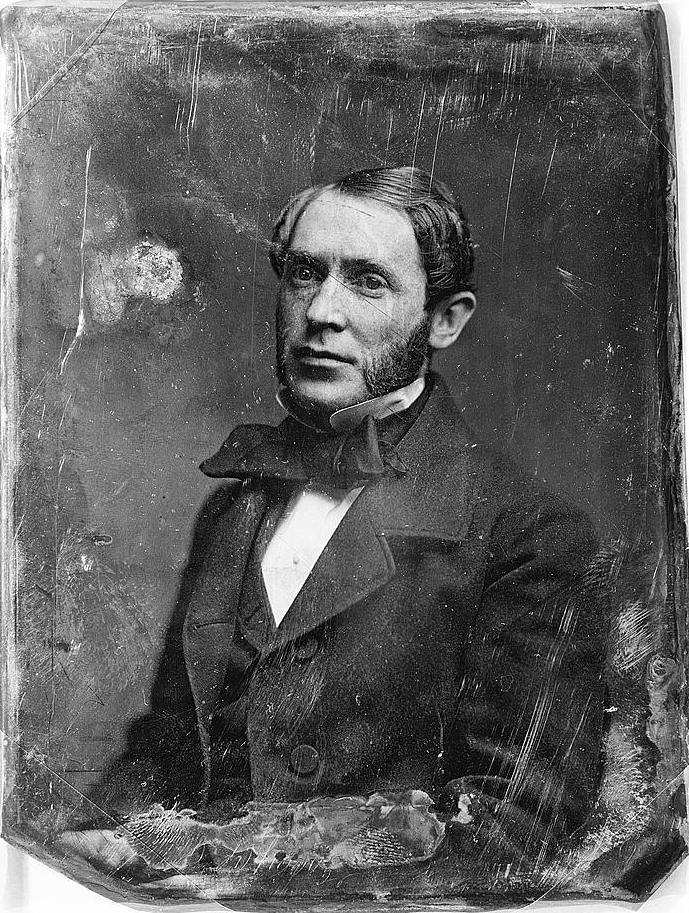
John Hill Wheeler (1806–1882) was an American attorney, politician, historian, planter and slaveowner. He served as North Carolina State Treasurer (1843–1845), and as United States Minister to Nicaragua (1855–1856).
Wheeler gained national attention as a central figure in an 1855 legal case that tested the Fugitive Slave Act of 1850. Pennsylvania was a free state, and enslaved Jane Johnson and her two sons walked away from Wheeler in Philadelphia, while he and his family were en route to New York City and a voyage to Nicaragua. Passmore Williamson, the abolitionist who aided her in claiming her freedom, was charged with a federal crime and held indefinitely in prison. Johnson was hidden in Pennsylvania and Boston, and returned to Philadelphia to testify at trial.
Hannah Bond escaped from Wheeler's North Carolina plantation about 1857, and settled in New Jersey. She came to prominence in 2001–2002, when historian Henry Louis Gates authenticated a novel, The Life and Times of Hannah Crafts. She later legalized her pseudonym Hannah Crafts in honor of the Quaker farmer, Horace Crafts, who secreted her in his attic as Wheeler's bounty hunters were about to apprehend her. The book revealed her connection to Wheeler. Her actual name was documented in 2013.
John Hill Wheeler was born in 1806 in Murfreesboro, North Carolina, where his family were planters. His birthplace, the John Wheeler House, is included in the Murfreesboro Historic District on the National Register of Historic Places. Wheeler earned a bachelor's degree at Columbian College (now George Washington University). He read law under John Louis Taylor and was admitted to the bar in 1827. The following year he continued his studies and received a master's degree from the University of North Carolina at Chapel Hill.
Wheeler was first elected to the North Carolina House of Commons in 1827, from Hertford County at age 21, and served four years. Years later he was elected to the House again, but from Lincoln County. He gained a patronage position under President Andrew Jackson, who appointed Wheeler as superintendent of the federal mint in Charlotte, North Carolina (1837–1841).
Wheeler married his first wife, the well educated and literary Mary Elizabeth Brown, in 1830. They had one daughter. In 1838 he married Ellen Oldmixon Sully, daughter of the painter Thomas Sully, and, they had two sons. During the Civil war one son, Levi Woodbury Wheeler, was to serve in the Confederate army and another, Charles Sully Wheeler, in the US Navy.
In 1842, Wheeler was elected state treasurer by the North Carolina General Assembly, but he was defeated for re-election in 1844.
Wheeler moved to Washington, DC about 1853 to be more active in national politics. President Franklin Pierce appointed him as an assistant secretary in 1854. Shortly thereafter Wheeler was appointed as US Minister to Nicaragua. There, he officially recognized the government of William Walker, an American adventurer who had invaded the country with a small force, intending to take it over.
Hub AI
John H. Wheeler AI simulator
(@John H. Wheeler_simulator)
John H. Wheeler
John Hill Wheeler (1806–1882) was an American attorney, politician, historian, planter and slaveowner. He served as North Carolina State Treasurer (1843–1845), and as United States Minister to Nicaragua (1855–1856).
Wheeler gained national attention as a central figure in an 1855 legal case that tested the Fugitive Slave Act of 1850. Pennsylvania was a free state, and enslaved Jane Johnson and her two sons walked away from Wheeler in Philadelphia, while he and his family were en route to New York City and a voyage to Nicaragua. Passmore Williamson, the abolitionist who aided her in claiming her freedom, was charged with a federal crime and held indefinitely in prison. Johnson was hidden in Pennsylvania and Boston, and returned to Philadelphia to testify at trial.
Hannah Bond escaped from Wheeler's North Carolina plantation about 1857, and settled in New Jersey. She came to prominence in 2001–2002, when historian Henry Louis Gates authenticated a novel, The Life and Times of Hannah Crafts. She later legalized her pseudonym Hannah Crafts in honor of the Quaker farmer, Horace Crafts, who secreted her in his attic as Wheeler's bounty hunters were about to apprehend her. The book revealed her connection to Wheeler. Her actual name was documented in 2013.
John Hill Wheeler was born in 1806 in Murfreesboro, North Carolina, where his family were planters. His birthplace, the John Wheeler House, is included in the Murfreesboro Historic District on the National Register of Historic Places. Wheeler earned a bachelor's degree at Columbian College (now George Washington University). He read law under John Louis Taylor and was admitted to the bar in 1827. The following year he continued his studies and received a master's degree from the University of North Carolina at Chapel Hill.
Wheeler was first elected to the North Carolina House of Commons in 1827, from Hertford County at age 21, and served four years. Years later he was elected to the House again, but from Lincoln County. He gained a patronage position under President Andrew Jackson, who appointed Wheeler as superintendent of the federal mint in Charlotte, North Carolina (1837–1841).
Wheeler married his first wife, the well educated and literary Mary Elizabeth Brown, in 1830. They had one daughter. In 1838 he married Ellen Oldmixon Sully, daughter of the painter Thomas Sully, and, they had two sons. During the Civil war one son, Levi Woodbury Wheeler, was to serve in the Confederate army and another, Charles Sully Wheeler, in the US Navy.
In 1842, Wheeler was elected state treasurer by the North Carolina General Assembly, but he was defeated for re-election in 1844.
Wheeler moved to Washington, DC about 1853 to be more active in national politics. President Franklin Pierce appointed him as an assistant secretary in 1854. Shortly thereafter Wheeler was appointed as US Minister to Nicaragua. There, he officially recognized the government of William Walker, an American adventurer who had invaded the country with a small force, intending to take it over.
Recent media