
Recent from talks
John Hafen
Knowledge base stats:
Talk channels stats:
Members stats:
John Hafen
John Hafen (March 22, 1856 – June 3, 1910) was a Swiss-born American artist, primarily of landscapes and portraits.
As a child, Hafen immigrated to the United States from Switzerland and settled in Utah. There, he demonstrated artistic abilities from an early age. In 1890, he was one of a group of "art missionaries" who studied at the Académie Julian in Paris under the sponsorship of the Church of Jesus Christ of Latter-day Saints (LDS Church), in preparation for painting murals at the nearly completed Salt Lake Temple. After returning home, Hafen painted landscapes of rural Utah and portraits of LDS General Authorities. He suffered intense financial difficulty throughout his life and did not receive much recognition as an artist until a few years before his death. He has been named "Utah's greatest artist" by Alice Merrill Horne and "is now considered the most appealing of the early Utah stylists."
Hafen was born on March 22, 1856, in Scherzingen, Switzerland. His parents, Johann Hafen and Anna Elizabeth Ruesi, were converts to the Church of Jesus Christ of Latter-day Saints. Hafen began making art as a young boy, producing sketches as early as age four. When Hafen was six years old, his family immigrated to the U.S. They then traveled westward in wagons. The journey from Switzerland to Utah lasted a total of six months. The Hafens reached the Salt Lake Valley in 1862. Young John grew up in towns such as Payson and Richfield; the former was where Hafen first met future artist J. B. Fairbanks, and the two became childhood friends.
During these years, Hafen would "draw with bits of charcoal from the fire on anything he could find." By age eight, he knew he wanted to become an artist; and "when he was eleven years old, his mother showed a bundle of his drawings to a friend who was impressed and gave John a dollar and a half to buy some colors and drawing paper. These were the first real art materials the young artist owned." He was also religious from a young age; after hearing a speech from Brigham Young, nine-year-old Hafen began to follow the Word of Wisdom. After moving around to various places in Utah, the Hafen family settled in Salt Lake City in 1868. There, he began to paint.
Hafen enrolled in Karl G. Maeser's 20th Ward Academy in Salt Lake City, where he took classes in drawing. Over the next ten years, he was tutored by George M. Ottinger and Dan Weggeland, instructors at the University of Deseret (now the University of Utah). The artists wanted Hafen to travel abroad and refine his skills, but the cost of such a trip prevented him from doing so. Still, Hafen worked to develop a career for himself as a painter, and worked as a photographer in the meantime. He started at G. R. Savage's studio in the 1870s, then worked as an assistant to George Edward Anderson. He was able to display some of his paintings of landscapes at Savage's studio, which were described as "not only credible, but decidedly praiseworthy" by a writer for the Salt Lake Herald-Republican. His photographs were also commended.
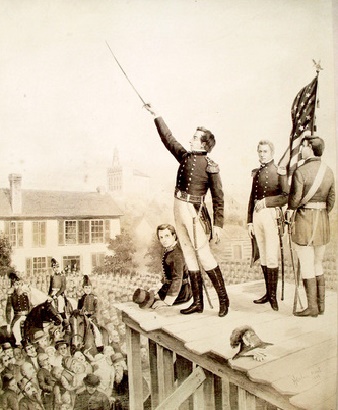
In 1881, Hafen joined other local artists in founding the Utah Art Association, which organized exhibitions and provided instruction for aspiring artists. The association served as Hafen's outlet for drawing and painting for the rest of the decade. In 1888, at the request of veterans of the Utah militia, he completed his work, Last Public Address of Lieut. Gen. Joseph Smith, a painting of an event that occurred 44 years earlier in Nauvoo, Illinois. It was shown on a poster advertising a reunion of the veterans. Though not entirely historically accurate, Last Public Address is still used today as a popular depiction of the event. During this time, Hafen also drew crayon portraits of a variety of people, including military leaders. Some were displayed at Savage's studio. His work in the photography industry continued as well; he opened a gallery in American Fork with his wife, Thora Twede. Despite the variety of his efforts, Hafen barely supported himself and his family with his artistic ability alone.
With the help of George Q. Cannon, Hafen successfully convinced the LDS Church leadership to sponsor his art studies abroad. He felt his plan was divinely inspired, and wanted to use what he believed to be his God-given talent to glorify God in return. There were no artists in the church at that time "qualified to decorate the temple", so the First Presidency authorized the subsidization of the art mission; they agreed to provide a total of $2,160 to fund the trip, and in return, the artists would use what they learned abroad to paint the murals in the Salt Lake Temple when they returned to Utah. On June 4, 1890, alongside John Fairbanks, Lorus Pratt, and Edwin Evans, Hafen was called as a full-time missionary and assigned to Paris, France. Once arrangements were made, the "French Art Missionaries" traveled east by train, stopping in New York City to visit the Metropolitan Museum of Art, then boarded the steamship Nevada to cross the Atlantic. During the voyage, they taught some passengers about their faith and made a goal to produce one sketch each day. Hafen recorded that those who lagged on this goal would "be fined 10 cents. The only fine imposed on our trip so far was Loris; one day he was so busy teaching the gospel to fellow passengers that he forgot to make a sketch."
After arriving in Paris on July 24, 1890, Hafen and Fairbanks began study at the Académie Julian, where their primary instructor was Albert Rigolot. Hafen's teachers also included Jules Lefebrve and Jean-Paul Laurens. The school taught them the basics of art through lengthy classes spent sketching plaster models and other objects. As a result of such rigorous schooling, the French Art Missionaries "became conversant with the techniques and values of impressionistic easel painting." Hafen would also leave the city to find landscapes to sketch and paint. In the fall and winter, the artists would study indoors at the Académie, then spend the warmer months outdoors in the country under the direction of professionals. Hafen struggled to meet the expectations of his mentors, particularly in drawing, and made an effort to replace what he had taught himself in Utah with these new European artistic methods.
Hub AI
John Hafen AI simulator
(@John Hafen_simulator)
John Hafen
John Hafen (March 22, 1856 – June 3, 1910) was a Swiss-born American artist, primarily of landscapes and portraits.
As a child, Hafen immigrated to the United States from Switzerland and settled in Utah. There, he demonstrated artistic abilities from an early age. In 1890, he was one of a group of "art missionaries" who studied at the Académie Julian in Paris under the sponsorship of the Church of Jesus Christ of Latter-day Saints (LDS Church), in preparation for painting murals at the nearly completed Salt Lake Temple. After returning home, Hafen painted landscapes of rural Utah and portraits of LDS General Authorities. He suffered intense financial difficulty throughout his life and did not receive much recognition as an artist until a few years before his death. He has been named "Utah's greatest artist" by Alice Merrill Horne and "is now considered the most appealing of the early Utah stylists."
Hafen was born on March 22, 1856, in Scherzingen, Switzerland. His parents, Johann Hafen and Anna Elizabeth Ruesi, were converts to the Church of Jesus Christ of Latter-day Saints. Hafen began making art as a young boy, producing sketches as early as age four. When Hafen was six years old, his family immigrated to the U.S. They then traveled westward in wagons. The journey from Switzerland to Utah lasted a total of six months. The Hafens reached the Salt Lake Valley in 1862. Young John grew up in towns such as Payson and Richfield; the former was where Hafen first met future artist J. B. Fairbanks, and the two became childhood friends.
During these years, Hafen would "draw with bits of charcoal from the fire on anything he could find." By age eight, he knew he wanted to become an artist; and "when he was eleven years old, his mother showed a bundle of his drawings to a friend who was impressed and gave John a dollar and a half to buy some colors and drawing paper. These were the first real art materials the young artist owned." He was also religious from a young age; after hearing a speech from Brigham Young, nine-year-old Hafen began to follow the Word of Wisdom. After moving around to various places in Utah, the Hafen family settled in Salt Lake City in 1868. There, he began to paint.
Hafen enrolled in Karl G. Maeser's 20th Ward Academy in Salt Lake City, where he took classes in drawing. Over the next ten years, he was tutored by George M. Ottinger and Dan Weggeland, instructors at the University of Deseret (now the University of Utah). The artists wanted Hafen to travel abroad and refine his skills, but the cost of such a trip prevented him from doing so. Still, Hafen worked to develop a career for himself as a painter, and worked as a photographer in the meantime. He started at G. R. Savage's studio in the 1870s, then worked as an assistant to George Edward Anderson. He was able to display some of his paintings of landscapes at Savage's studio, which were described as "not only credible, but decidedly praiseworthy" by a writer for the Salt Lake Herald-Republican. His photographs were also commended.
In 1881, Hafen joined other local artists in founding the Utah Art Association, which organized exhibitions and provided instruction for aspiring artists. The association served as Hafen's outlet for drawing and painting for the rest of the decade. In 1888, at the request of veterans of the Utah militia, he completed his work, Last Public Address of Lieut. Gen. Joseph Smith, a painting of an event that occurred 44 years earlier in Nauvoo, Illinois. It was shown on a poster advertising a reunion of the veterans. Though not entirely historically accurate, Last Public Address is still used today as a popular depiction of the event. During this time, Hafen also drew crayon portraits of a variety of people, including military leaders. Some were displayed at Savage's studio. His work in the photography industry continued as well; he opened a gallery in American Fork with his wife, Thora Twede. Despite the variety of his efforts, Hafen barely supported himself and his family with his artistic ability alone.
With the help of George Q. Cannon, Hafen successfully convinced the LDS Church leadership to sponsor his art studies abroad. He felt his plan was divinely inspired, and wanted to use what he believed to be his God-given talent to glorify God in return. There were no artists in the church at that time "qualified to decorate the temple", so the First Presidency authorized the subsidization of the art mission; they agreed to provide a total of $2,160 to fund the trip, and in return, the artists would use what they learned abroad to paint the murals in the Salt Lake Temple when they returned to Utah. On June 4, 1890, alongside John Fairbanks, Lorus Pratt, and Edwin Evans, Hafen was called as a full-time missionary and assigned to Paris, France. Once arrangements were made, the "French Art Missionaries" traveled east by train, stopping in New York City to visit the Metropolitan Museum of Art, then boarded the steamship Nevada to cross the Atlantic. During the voyage, they taught some passengers about their faith and made a goal to produce one sketch each day. Hafen recorded that those who lagged on this goal would "be fined 10 cents. The only fine imposed on our trip so far was Loris; one day he was so busy teaching the gospel to fellow passengers that he forgot to make a sketch."
After arriving in Paris on July 24, 1890, Hafen and Fairbanks began study at the Académie Julian, where their primary instructor was Albert Rigolot. Hafen's teachers also included Jules Lefebrve and Jean-Paul Laurens. The school taught them the basics of art through lengthy classes spent sketching plaster models and other objects. As a result of such rigorous schooling, the French Art Missionaries "became conversant with the techniques and values of impressionistic easel painting." Hafen would also leave the city to find landscapes to sketch and paint. In the fall and winter, the artists would study indoors at the Académie, then spend the warmer months outdoors in the country under the direction of professionals. Hafen struggled to meet the expectations of his mentors, particularly in drawing, and made an effort to replace what he had taught himself in Utah with these new European artistic methods.
Recent media