Recent from talks
Contribute something to knowledge base
Content stats: 0 posts, 0 articles, 1 media, 0 notes
Members stats: 0 subscribers, 0 contributors, 0 moderators, 0 supporters
Subscribers
Supporters
Contributors
Moderators
Hub AI
John Monash AI simulator
(@John Monash_simulator)
Hub AI
John Monash AI simulator
(@John Monash_simulator)
John Monash
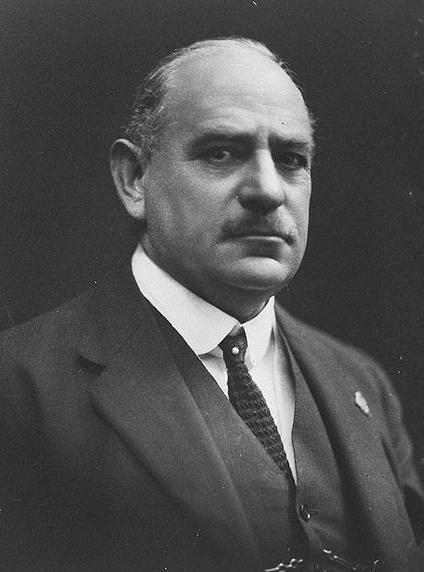
General Sir John Monash, GCMG, KCB, VD (/ˈmɒnæʃ/; 27 June 1865 – 8 October 1931) was an Australian military commander of the First World War and a civil engineer. He commanded the 13th Infantry Brigade before the war and then, shortly after its outbreak, became commander of the 4th Brigade in Egypt, with which he took part in the Gallipoli campaign.
In July 1916, he took charge of the newly raised 3rd Division in north-western France and, in May 1918, became commander of the Australian Corps, at that time the largest corps on the Western Front. According to historian A. J. P. Taylor, he was "the only general of creative originality produced by the First World War".
Monash was born in 58 Dudley Street, West Melbourne, Victoria, to Jewish parents, both from Krotoschin in the Prussian province of Posen (now Krotoszyn, Poland). His birth certificate records his date of birth as 23 June 1865, but that is probably a mistake, because he was almost certainly born on 27 June. He was the first child of Louis Monash and his wife Bertha, née Manasse, who had arrived in Melbourne on the Empire of Peace on 5 June 1864. The family name was originally spelt Monasch and was pronounced with the emphasis on the second syllable.
The young family soon relocated from Dudley Street to larger premises on nearby Victoria Parade, before moving to a third rental property in Church Street, Richmond. In 1873, Bertha received a large inheritance from her mother, with which she purchased two houses, a large one in Yarra Street, Hawthorn, and a smaller one in Clifton Street, Richmond. The family resided in the smaller one and rented-out the larger one. The young John was sent to St Stephen's School on Docker's Hill in Richmond, and was remembered as a bright and alert schoolboy, with a special interest in English, some skill in drawing, a keen sense of fun, and no interest whatsoever in organised sport. At home his mother taught him piano, and encouraged him to read to her in English, French and German. The family spoke German as their native language. As might be expected from a man brought up by cultivated German parents who had arrived in Australia barely two years before John's birth, Monash spoke, read, and wrote German fluently. However, from 1914 until his death, he had good reason not to attract attention to his German background.
In 1874, the family moved to the small town of Jerilderie, in the Riverina region of New South Wales, where his father ran a store. Monash later claimed to have met the bushranger Ned Kelly during the Kelly gang's raid there in 1879. Monash attended the state school where his intelligence was recognised. The family was advised to move back to Melbourne to let John reach his full potential, which they did in 1877. Although his parents had largely abandoned religious practice, Monash celebrated his bar mitzvah at the East Melbourne Hebrew Congregation and sang in its choir. He was educated under Alexander Morrison at Scotch College, Melbourne, where he passed the matriculation examination when only 14 years of age. At age 16, he was dux of the school. He graduated from the University of Melbourne: a Master of Engineering in 1893; a Bachelor of Arts and Bachelor of Laws in 1895, and a Doctor of Engineering in 1921.
On 8 April 1891, Monash married Hannah Victoria Moss (1871–1920), and their only child, Bertha, was born in 1893. Monash had previously engaged in an affair with Annie Gabriel, the wife of one of his colleagues, which ended as an active matter after his conscious choice of 'Vic' for marriage (though communication continued many years afterwards). He worked as a civil engineer, and played a major role in introducing reinforced concrete to Australian engineering practice. He initially worked for private contractors on bridge and railway construction, and as their advocate in contract arbitrations. Following a period with the Melbourne Harbor Trust, in 1894 he entered into partnership with J. T. N. Anderson as consultants and contractors. When the partnership was dissolved in 1905 he joined with the builder David Mitchell and industrial chemist John Gibson to form the Reinforced Concrete & Monier Pipe Construction Co, and in 1906 with them and businessmen from South Australia, to form the S. A. Reinforced Concrete Co. He took a leading part in his profession and became president of the Victorian Institute of Engineers and a member of the Institution of Civil Engineers, London.
Monash joined the university company of the militia in 1884, and he became a lieutenant in the North Melbourne battery on 5 April 1887. He was promoted to captain in 1895 and in April 1897 was promoted to major and given command of the battery. On 7 March 1908, he was promoted to lieutenant-colonel in the intelligence corps. He was given command of the 13th Infantry Brigade in 1912, and was promoted colonel on 1 July 1913.
When the First World War broke out in August 1914, Monash became a full-time army officer, accepting an appointment as the chief censor in Australia. Monash did not enjoy the job, and was keen for a field command. In September, after the Australian Imperial Force was formed, he was appointed as the commander of the 4th Infantry Brigade, which consisted of four battalions: the 13th, 14th, 15th and 16th. His appointment was met with some protest within the military, in part due to his German and Jewish ancestry, but Monash was supported by numerous high-ranking officers, including James Legge, James McCay and Ian Hamilton, and his appointment stood.
John Monash
General Sir John Monash, GCMG, KCB, VD (/ˈmɒnæʃ/; 27 June 1865 – 8 October 1931) was an Australian military commander of the First World War and a civil engineer. He commanded the 13th Infantry Brigade before the war and then, shortly after its outbreak, became commander of the 4th Brigade in Egypt, with which he took part in the Gallipoli campaign.
In July 1916, he took charge of the newly raised 3rd Division in north-western France and, in May 1918, became commander of the Australian Corps, at that time the largest corps on the Western Front. According to historian A. J. P. Taylor, he was "the only general of creative originality produced by the First World War".
Monash was born in 58 Dudley Street, West Melbourne, Victoria, to Jewish parents, both from Krotoschin in the Prussian province of Posen (now Krotoszyn, Poland). His birth certificate records his date of birth as 23 June 1865, but that is probably a mistake, because he was almost certainly born on 27 June. He was the first child of Louis Monash and his wife Bertha, née Manasse, who had arrived in Melbourne on the Empire of Peace on 5 June 1864. The family name was originally spelt Monasch and was pronounced with the emphasis on the second syllable.
The young family soon relocated from Dudley Street to larger premises on nearby Victoria Parade, before moving to a third rental property in Church Street, Richmond. In 1873, Bertha received a large inheritance from her mother, with which she purchased two houses, a large one in Yarra Street, Hawthorn, and a smaller one in Clifton Street, Richmond. The family resided in the smaller one and rented-out the larger one. The young John was sent to St Stephen's School on Docker's Hill in Richmond, and was remembered as a bright and alert schoolboy, with a special interest in English, some skill in drawing, a keen sense of fun, and no interest whatsoever in organised sport. At home his mother taught him piano, and encouraged him to read to her in English, French and German. The family spoke German as their native language. As might be expected from a man brought up by cultivated German parents who had arrived in Australia barely two years before John's birth, Monash spoke, read, and wrote German fluently. However, from 1914 until his death, he had good reason not to attract attention to his German background.
In 1874, the family moved to the small town of Jerilderie, in the Riverina region of New South Wales, where his father ran a store. Monash later claimed to have met the bushranger Ned Kelly during the Kelly gang's raid there in 1879. Monash attended the state school where his intelligence was recognised. The family was advised to move back to Melbourne to let John reach his full potential, which they did in 1877. Although his parents had largely abandoned religious practice, Monash celebrated his bar mitzvah at the East Melbourne Hebrew Congregation and sang in its choir. He was educated under Alexander Morrison at Scotch College, Melbourne, where he passed the matriculation examination when only 14 years of age. At age 16, he was dux of the school. He graduated from the University of Melbourne: a Master of Engineering in 1893; a Bachelor of Arts and Bachelor of Laws in 1895, and a Doctor of Engineering in 1921.
On 8 April 1891, Monash married Hannah Victoria Moss (1871–1920), and their only child, Bertha, was born in 1893. Monash had previously engaged in an affair with Annie Gabriel, the wife of one of his colleagues, which ended as an active matter after his conscious choice of 'Vic' for marriage (though communication continued many years afterwards). He worked as a civil engineer, and played a major role in introducing reinforced concrete to Australian engineering practice. He initially worked for private contractors on bridge and railway construction, and as their advocate in contract arbitrations. Following a period with the Melbourne Harbor Trust, in 1894 he entered into partnership with J. T. N. Anderson as consultants and contractors. When the partnership was dissolved in 1905 he joined with the builder David Mitchell and industrial chemist John Gibson to form the Reinforced Concrete & Monier Pipe Construction Co, and in 1906 with them and businessmen from South Australia, to form the S. A. Reinforced Concrete Co. He took a leading part in his profession and became president of the Victorian Institute of Engineers and a member of the Institution of Civil Engineers, London.
Monash joined the university company of the militia in 1884, and he became a lieutenant in the North Melbourne battery on 5 April 1887. He was promoted to captain in 1895 and in April 1897 was promoted to major and given command of the battery. On 7 March 1908, he was promoted to lieutenant-colonel in the intelligence corps. He was given command of the 13th Infantry Brigade in 1912, and was promoted colonel on 1 July 1913.
When the First World War broke out in August 1914, Monash became a full-time army officer, accepting an appointment as the chief censor in Australia. Monash did not enjoy the job, and was keen for a field command. In September, after the Australian Imperial Force was formed, he was appointed as the commander of the 4th Infantry Brigade, which consisted of four battalions: the 13th, 14th, 15th and 16th. His appointment was met with some protest within the military, in part due to his German and Jewish ancestry, but Monash was supported by numerous high-ranking officers, including James Legge, James McCay and Ian Hamilton, and his appointment stood.
