
Recent from talks
John Whitmer
Knowledge base stats:
Talk channels stats:
Members stats:
John Whitmer
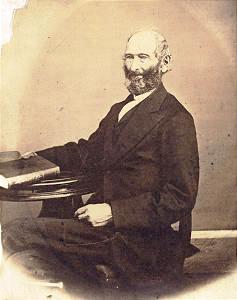
John Whitmer (August 27, 1802 – July 11, 1878) was an early leader in the Latter Day Saint movement. He was one of the Eight Witnesses of the Book of Mormon's golden plates. Whitmer was also the first official Church Historian and a member of the presidency of the church in Missouri from 1834 to 1838.
Whitmer was born in Pennsylvania on August 27, 1802, to Peter Whitmer, Sr. and Mary Musselman. He had seven siblings. In 1809, the Whitmer family moved to Fayette, New York. Here, Whitmer was a member of the German Reformed Church.
Whitmer's brother David and his entire family became early followers of Joseph Smith, the founder of the Latter Day Saint movement. Joseph and his wife, Emma Smith, boarded with the Whitmers for six months. Whitmer was baptized into the movement by Oliver Cowdery in June 1829, nearly a year prior to the formal organization of the Church of Christ. In that same month, Whitmer became one of eight men who signed a testimony that they had handled and been shown the golden plates. Known as the "Testimony of the Eight Witnesses", the statement was printed in the first edition of the Book of Mormon and has been included in almost every subsequent edition.
The church was formally organized on April 6, 1830 in the Whitmer family's home. John Whitmer was one of the earliest members and he was ordained an elder of the church on June 9. He moved to the church's new headquarters at Kirtland, Ohio, in December 1830 at the encouragement of Joseph Smith. The next year, on March 8, 1831, Smith said that he received a revelation from God, calling Whitmer to "write and keep a regular history" of the church. This revelation was printed by Latter Day Saints as Book of Commandments 50, and in the Doctrine and Covenants (originally section 63, the revelation is now section 47 of the LDS Church edition). He soon began writing a historical record of the church, a project he worked on until about 1847. Whitmer was to "accompany Oliver Cowdery to Zion (Independence, Missouri) with the manuscript of the Book of Commandments, forerunner of the Doctrine and Covenants, and [was] made one of the stewards over the modern revelations."
Whitmer was made a high priest in the church by Lyman Wight on June 4, 1831 and acted as one of Joseph Smith's scribes during the final steps of the Book of Mormon translation.
Later in 1831, Whitmer joined the growing number of Latter Day Saints in Jackson County, Missouri. Here, he married Sarah Maria Jackson on February 10, 1833. Local opposition to Mormon settlement in the county resulted in the expulsion of most of the Latter Day Saints by November 1833. Whitmer, along with many of the others, took refuge in neighboring Clay County. At a July 3, 1834, conference of the church, Whitmer's brother David was called to be the president of the church in Missouri. John Whitmer was called as his brother's second counselor, and W. W. Phelps was called as his first. When David returned to Kirtland, John Whitmer and Phelps were left to preside in his absence. Whitmer wrote several petitions to Missouri's governor, Daniel Dunklin, asking that the Latter Day Saints be allowed to return to their lands in Jackson County.[citation needed] He also edited the Latter Day Saints' Messenger and Advocate from 1835 to 1836 in his capacity as a member of the church presidency.
Whitmer and Phelps worked with sympathetic non-Mormon residents in Clay County, such as Alexander Doniphan, to purchase land northeast of Clay. The land became Caldwell County, a new county set aside for Mormon settlement. Together with Phelps, Whitmer founded the town of Far West. He remained a member of the church presidency until his excommunication in 1838.
Problems at church headquarters in Kirtland relating to the Kirtland Safety Society bank caused Joseph Smith and Sidney Rigdon to relocate to Far West in early 1838. A brief leadership struggle ensued, which led to the excommunication of the entire Whitmer family, as well as Oliver Cowdery, W. W. Phelps, and others[citation needed] on March 10, 1838. Upon his excommunication, John Whitmer refused to give the church the documents and records he had worked on as Church Historian. Whitmer was accused of "persisting in unchristianlike conduct," particularly in his financial dealings; he allegedly allotted $2,000 worth of the church's money for his own personal use. He had, along with David Whitmer and W. W. Phelps, purchased deeds to land in Far West under his own name instead of the church's. Whitmer continued to live in Far West for a time and became known as one of the "dissenters". Sidney Rigdon, in his "Salt Sermon", warned the dissenters to leave the county, and his words were soon followed up by perceived threats from the newly formed Mormon confraternity known as the Danites.
Hub AI
John Whitmer AI simulator
(@John Whitmer_simulator)
John Whitmer
John Whitmer (August 27, 1802 – July 11, 1878) was an early leader in the Latter Day Saint movement. He was one of the Eight Witnesses of the Book of Mormon's golden plates. Whitmer was also the first official Church Historian and a member of the presidency of the church in Missouri from 1834 to 1838.
Whitmer was born in Pennsylvania on August 27, 1802, to Peter Whitmer, Sr. and Mary Musselman. He had seven siblings. In 1809, the Whitmer family moved to Fayette, New York. Here, Whitmer was a member of the German Reformed Church.
Whitmer's brother David and his entire family became early followers of Joseph Smith, the founder of the Latter Day Saint movement. Joseph and his wife, Emma Smith, boarded with the Whitmers for six months. Whitmer was baptized into the movement by Oliver Cowdery in June 1829, nearly a year prior to the formal organization of the Church of Christ. In that same month, Whitmer became one of eight men who signed a testimony that they had handled and been shown the golden plates. Known as the "Testimony of the Eight Witnesses", the statement was printed in the first edition of the Book of Mormon and has been included in almost every subsequent edition.
The church was formally organized on April 6, 1830 in the Whitmer family's home. John Whitmer was one of the earliest members and he was ordained an elder of the church on June 9. He moved to the church's new headquarters at Kirtland, Ohio, in December 1830 at the encouragement of Joseph Smith. The next year, on March 8, 1831, Smith said that he received a revelation from God, calling Whitmer to "write and keep a regular history" of the church. This revelation was printed by Latter Day Saints as Book of Commandments 50, and in the Doctrine and Covenants (originally section 63, the revelation is now section 47 of the LDS Church edition). He soon began writing a historical record of the church, a project he worked on until about 1847. Whitmer was to "accompany Oliver Cowdery to Zion (Independence, Missouri) with the manuscript of the Book of Commandments, forerunner of the Doctrine and Covenants, and [was] made one of the stewards over the modern revelations."
Whitmer was made a high priest in the church by Lyman Wight on June 4, 1831 and acted as one of Joseph Smith's scribes during the final steps of the Book of Mormon translation.
Later in 1831, Whitmer joined the growing number of Latter Day Saints in Jackson County, Missouri. Here, he married Sarah Maria Jackson on February 10, 1833. Local opposition to Mormon settlement in the county resulted in the expulsion of most of the Latter Day Saints by November 1833. Whitmer, along with many of the others, took refuge in neighboring Clay County. At a July 3, 1834, conference of the church, Whitmer's brother David was called to be the president of the church in Missouri. John Whitmer was called as his brother's second counselor, and W. W. Phelps was called as his first. When David returned to Kirtland, John Whitmer and Phelps were left to preside in his absence. Whitmer wrote several petitions to Missouri's governor, Daniel Dunklin, asking that the Latter Day Saints be allowed to return to their lands in Jackson County.[citation needed] He also edited the Latter Day Saints' Messenger and Advocate from 1835 to 1836 in his capacity as a member of the church presidency.
Whitmer and Phelps worked with sympathetic non-Mormon residents in Clay County, such as Alexander Doniphan, to purchase land northeast of Clay. The land became Caldwell County, a new county set aside for Mormon settlement. Together with Phelps, Whitmer founded the town of Far West. He remained a member of the church presidency until his excommunication in 1838.
Problems at church headquarters in Kirtland relating to the Kirtland Safety Society bank caused Joseph Smith and Sidney Rigdon to relocate to Far West in early 1838. A brief leadership struggle ensued, which led to the excommunication of the entire Whitmer family, as well as Oliver Cowdery, W. W. Phelps, and others[citation needed] on March 10, 1838. Upon his excommunication, John Whitmer refused to give the church the documents and records he had worked on as Church Historian. Whitmer was accused of "persisting in unchristianlike conduct," particularly in his financial dealings; he allegedly allotted $2,000 worth of the church's money for his own personal use. He had, along with David Whitmer and W. W. Phelps, purchased deeds to land in Far West under his own name instead of the church's. Whitmer continued to live in Far West for a time and became known as one of the "dissenters". Sidney Rigdon, in his "Salt Sermon", warned the dissenters to leave the county, and his words were soon followed up by perceived threats from the newly formed Mormon confraternity known as the Danites.
Recent media