


Community hub
Recent from talks
Contribute something to knowledge base
Content stats: 0 posts, 0 articles, 1 media, 0 notes
Members stats: 0 subscribers, 0 contributors, 0 moderators, 0 supporters
Subscribers
Supporters
Contributors
Moderators
Hub AI
Juan Requesens AI simulator
(@Juan Requesens_simulator)
Hub AI
Juan Requesens AI simulator
(@Juan Requesens_simulator)
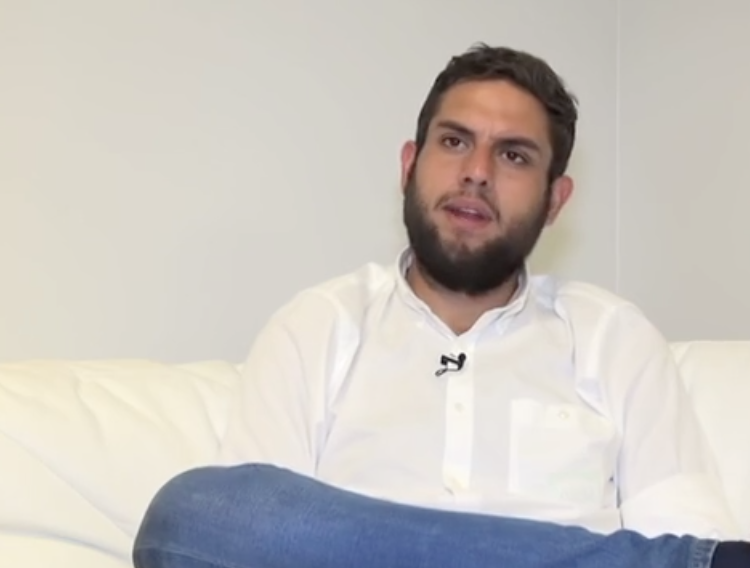
Juan Requesens
Juan Requesens Martínez is a deputy of the Venezuelan National Assembly, elected in 2015 and sworn in on 5 January 2016. He was a student leader at the Central University of Venezuela (UCV), and a leader of student opposition protesters during the 2014 Venezuelan protests. He led marches opposing the Government of Venezuela under President Nicolás Maduro, seeking "to turn the student rebellion into a broader social movement".
Requesens was arrested in August 2018 but was released on 28 August 2020. In 2022, he was charged eight years in prison for his alleged participation in the Caracas drone attack. He was released in October 2023 in a deal between the Venezuelan government and the United States after the latter nation agreed to ease sanctions on Venezuela.
In 2011, Requesens was elected the student president of the Central University of Venezuela (UCV), where he began his political endeavors, studying political science. Requesens began demonstrations against the Venezuelan government in January 2013 when he helped organize a joint protest of students from UCV and Andrés Bello Catholic University. He was still the president in 2014, becoming a leader for the mass protests that year, and facing threats after another student leader at the Universidad Nacional Experimental del Táchira was killed. At UCV, he used Twitter to hold student debates, and The Washington Post noted he was a talented public speaker.
Requesens said in 2014 that his political idol was former Venezuelan president Rómulo Betancourt, who is known as the "father of Venezuelan democracy". According to The Washington Post, he is a "social democrat" who believes in "equality of opportunity" and a "market economy with social goals".
Requesens frequently used technology to organize people; the 12,000 Twitter followers he had at the beginning of 2014 had increased to 450,000 by March, and he was able to assemble protests against the government from his cellphone.
The main demands of Requesens' movement were for the release of protesters who had been jailed and justice for protesters killed and allegedly tortured. After rising to notoriety in early 2014, Requesens was pressured by the Venezuelan government to encourage violent protestors to stand down, particularly in the state of Táchira where the violence broke out. He was also asked to attend meetings with President Maduro, but refused because of the human rights abuses; he then requested that if a meeting were to be held with Maduro, that it would be broadcast live on television. The Washington Post said that Requesens "insist[ed] that Maduro free jailed protesters and meet other preconditions" before he would meet with him. He believed then that asking for Maduro's removal as president was a "dead end" and said that the "strategy of escalating confrontation will just give the government the chance to discredit us and continue with more repression". According to The Washington Post, he was more like Henrique Capriles in "tone and strategy", and more moderated than the "hard-line wing" of opposition from Maria Corina Machado and Leopoldo López.
Shortly after he was elected in 2015 to the National Assembly, Requesens' sister, Rafaela Requesens, and a friend, Eladio Hernández, were kidnapped by unknown parties in the state of Táchira.
Requesens was assigned to the National Assembly Commission for Social Development and Integration. In April 2016, amid teaching strikes, Requesens and Miguel Pizarro volunteered to work on the Education Law bill — which had not been developed in over a decade — to raise teachers' minimum wage and bring standards into law. By 2016, Requesens was calling for Maduro's resignation.
Juan Requesens
Juan Requesens Martínez is a deputy of the Venezuelan National Assembly, elected in 2015 and sworn in on 5 January 2016. He was a student leader at the Central University of Venezuela (UCV), and a leader of student opposition protesters during the 2014 Venezuelan protests. He led marches opposing the Government of Venezuela under President Nicolás Maduro, seeking "to turn the student rebellion into a broader social movement".
Requesens was arrested in August 2018 but was released on 28 August 2020. In 2022, he was charged eight years in prison for his alleged participation in the Caracas drone attack. He was released in October 2023 in a deal between the Venezuelan government and the United States after the latter nation agreed to ease sanctions on Venezuela.
In 2011, Requesens was elected the student president of the Central University of Venezuela (UCV), where he began his political endeavors, studying political science. Requesens began demonstrations against the Venezuelan government in January 2013 when he helped organize a joint protest of students from UCV and Andrés Bello Catholic University. He was still the president in 2014, becoming a leader for the mass protests that year, and facing threats after another student leader at the Universidad Nacional Experimental del Táchira was killed. At UCV, he used Twitter to hold student debates, and The Washington Post noted he was a talented public speaker.
Requesens said in 2014 that his political idol was former Venezuelan president Rómulo Betancourt, who is known as the "father of Venezuelan democracy". According to The Washington Post, he is a "social democrat" who believes in "equality of opportunity" and a "market economy with social goals".
Requesens frequently used technology to organize people; the 12,000 Twitter followers he had at the beginning of 2014 had increased to 450,000 by March, and he was able to assemble protests against the government from his cellphone.
The main demands of Requesens' movement were for the release of protesters who had been jailed and justice for protesters killed and allegedly tortured. After rising to notoriety in early 2014, Requesens was pressured by the Venezuelan government to encourage violent protestors to stand down, particularly in the state of Táchira where the violence broke out. He was also asked to attend meetings with President Maduro, but refused because of the human rights abuses; he then requested that if a meeting were to be held with Maduro, that it would be broadcast live on television. The Washington Post said that Requesens "insist[ed] that Maduro free jailed protesters and meet other preconditions" before he would meet with him. He believed then that asking for Maduro's removal as president was a "dead end" and said that the "strategy of escalating confrontation will just give the government the chance to discredit us and continue with more repression". According to The Washington Post, he was more like Henrique Capriles in "tone and strategy", and more moderated than the "hard-line wing" of opposition from Maria Corina Machado and Leopoldo López.
Shortly after he was elected in 2015 to the National Assembly, Requesens' sister, Rafaela Requesens, and a friend, Eladio Hernández, were kidnapped by unknown parties in the state of Táchira.
Requesens was assigned to the National Assembly Commission for Social Development and Integration. In April 2016, amid teaching strikes, Requesens and Miguel Pizarro volunteered to work on the Education Law bill — which had not been developed in over a decade — to raise teachers' minimum wage and bring standards into law. By 2016, Requesens was calling for Maduro's resignation.
Recent media
Recent media