
Recent from talks
Kama
Knowledge base stats:
Talk channels stats:
Members stats:
Kama
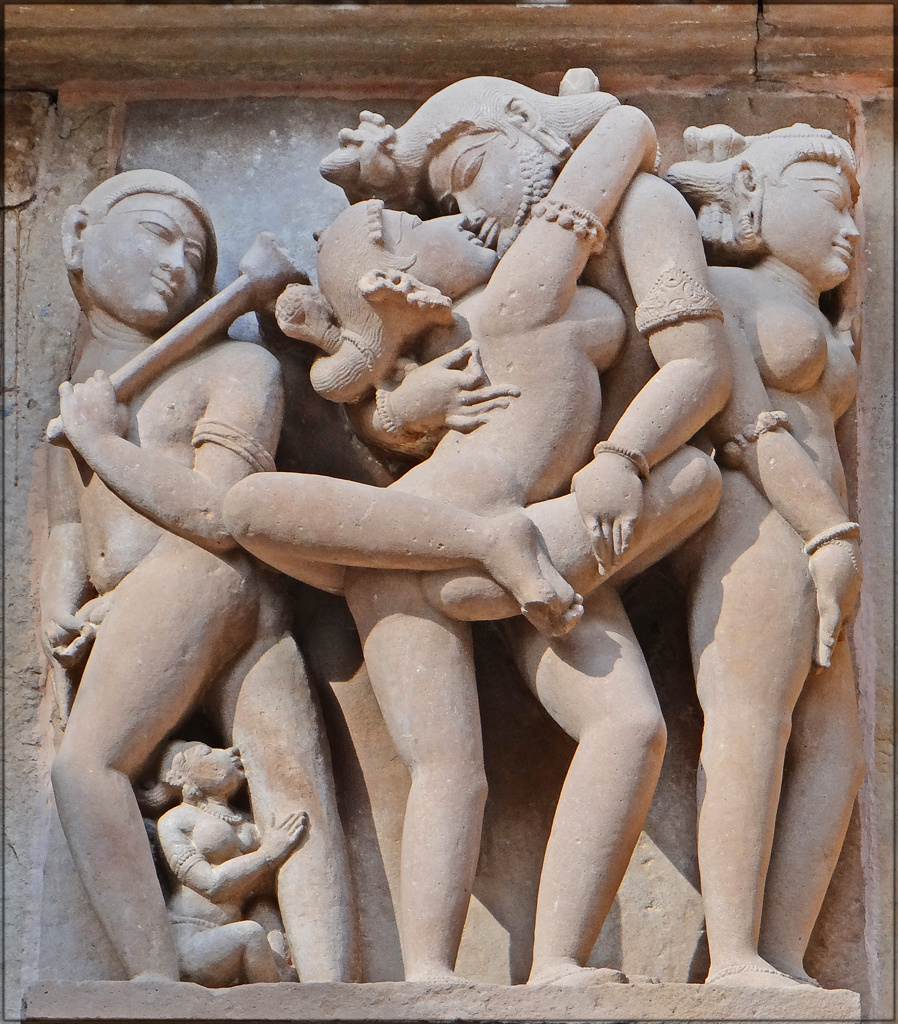
Kama (Sanskrit: काम, IAST: kāma) is the concept of pleasure, enjoyment and desire in Hinduism, Buddhism, Jainism, and Sikhism. It can also refer to "desire, wish, longing" in Hindu, Buddhist, Jain, and Sikh literature. However, the term is also used in a technical sense to refer to any sensory enjoyment, emotional attraction or aesthetic pleasure experienced in connection with the arts, dance, music, painting, sculpture, and nature.
In contemporary literature kama is often used to connote sexual desire and emotional longing, but the ancient concept is more expansive, and broadly refers to any desire, wish, passion, pleasure, or enjoyment of art and beauty, the aesthetic, enjoyment of life, affection, love and connection, and enjoyment of love with or without sexual connotations.
In Hindu thought, kama is one among the three items of the trivarga and is one of the four Purusharthas, which are the four beneficial domains of human endeavor. In Hinduism it is considered an essential and healthy goal of human life to pursue Kama without sacrificing the other three Purusharthas: Dharma (virtuous, ethical, moral life), Artha (material needs, income security, means of life) and Moksha (liberation, release, self-realization). In Buddhism and Jainism kama is to be overcome in order to obtain the goal of liberation from rebirth. But while kama is viewed as an obstacle for Buddhist and Jain monks and nuns, it is recognized as legitimate domain of activity for laity.
In contemporary Indian literature, kama is often used to refer to sexual desire. However, Kama more broadly refers to any sensory enjoyment, emotional attraction and aesthetic pleasure such as from the arts, dance, music, painting, sculpture, and nature.
Kama can refer to "desire, wish, or longing".
The concept of kama is found in some of the earliest known verses in the Vedas. For example, Book 10 of the Rig Veda describes the creation of the universe from nothing by the great heat. In hymn 129 (RV 10.129.4) it states[clarification needed]:
कामस्तदग्रे समवर्तताधि मनसो रेतः परथमं यदासीत |
सतो बन्धुमसति निरविन्दन हर्दि परतीष्याकवयो मनीषा ||
Thereafter rose Desire in the beginning, Desire the primal seed and germ of Spirit,
Sages who searched with their heart's thought discovered the existent's kinship in the non-existent.
— Rig Veda, ~ 15th Century BC
Hub AI
Kama AI simulator
(@Kama_simulator)
Kama
Kama (Sanskrit: काम, IAST: kāma) is the concept of pleasure, enjoyment and desire in Hinduism, Buddhism, Jainism, and Sikhism. It can also refer to "desire, wish, longing" in Hindu, Buddhist, Jain, and Sikh literature. However, the term is also used in a technical sense to refer to any sensory enjoyment, emotional attraction or aesthetic pleasure experienced in connection with the arts, dance, music, painting, sculpture, and nature.
In contemporary literature kama is often used to connote sexual desire and emotional longing, but the ancient concept is more expansive, and broadly refers to any desire, wish, passion, pleasure, or enjoyment of art and beauty, the aesthetic, enjoyment of life, affection, love and connection, and enjoyment of love with or without sexual connotations.
In Hindu thought, kama is one among the three items of the trivarga and is one of the four Purusharthas, which are the four beneficial domains of human endeavor. In Hinduism it is considered an essential and healthy goal of human life to pursue Kama without sacrificing the other three Purusharthas: Dharma (virtuous, ethical, moral life), Artha (material needs, income security, means of life) and Moksha (liberation, release, self-realization). In Buddhism and Jainism kama is to be overcome in order to obtain the goal of liberation from rebirth. But while kama is viewed as an obstacle for Buddhist and Jain monks and nuns, it is recognized as legitimate domain of activity for laity.
In contemporary Indian literature, kama is often used to refer to sexual desire. However, Kama more broadly refers to any sensory enjoyment, emotional attraction and aesthetic pleasure such as from the arts, dance, music, painting, sculpture, and nature.
Kama can refer to "desire, wish, or longing".
The concept of kama is found in some of the earliest known verses in the Vedas. For example, Book 10 of the Rig Veda describes the creation of the universe from nothing by the great heat. In hymn 129 (RV 10.129.4) it states[clarification needed]:
कामस्तदग्रे समवर्तताधि मनसो रेतः परथमं यदासीत |
सतो बन्धुमसति निरविन्दन हर्दि परतीष्याकवयो मनीषा ||
Thereafter rose Desire in the beginning, Desire the primal seed and germ of Spirit,
Sages who searched with their heart's thought discovered the existent's kinship in the non-existent.
— Rig Veda, ~ 15th Century BC
Recent media