



Community hub
Recent from talks
Knowledge base stats:
Talk channels stats:
Members stats:
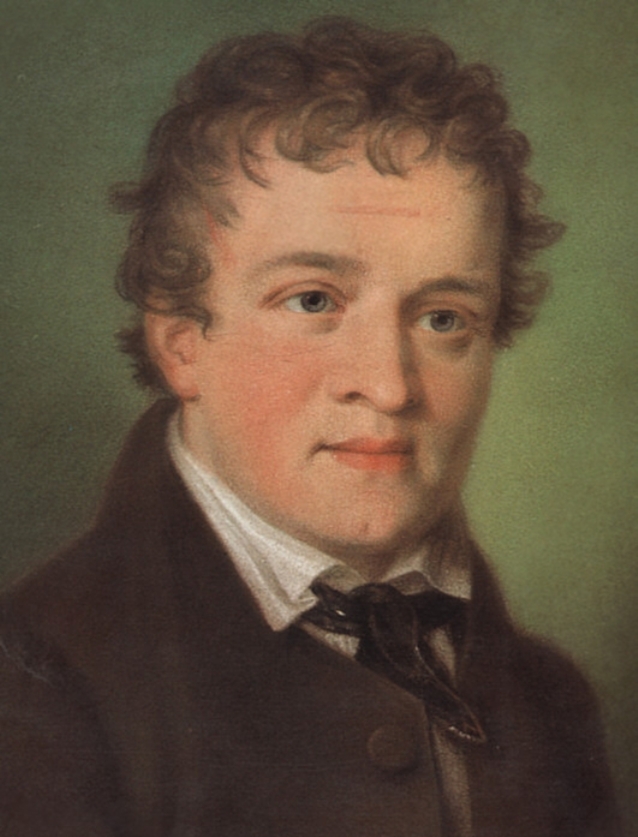
Kaspar Hauser
Kaspar Hauser (30 April 1812 – 17 December 1833) was a German youth who claimed to have grown up in the total isolation of a darkened cell. His claims, and his subsequent death from a stab wound, sparked much debate and controversy both in Nuremberg and abroad. Theories propounded at the time identified Hauser as a member of the grand ducal House of Baden, hidden away because of dynastic intrigue. However, there were also allegations that Hauser was an impostor. In 2024, a scientific study ruled out Hauser's princely descent by comparing mitochondrial DNA haplotypes with the House of Baden.
On 26 May 1828, Hauser, then a teenage boy, was found wandering the streets of Nuremberg, then part of the Kingdom of Bavaria, carrying two letters. The first letter was addressed to a Captain von Wessenig, commander of the 4th squadron of the 6th cavalry regiment in Nuremberg. Its heading read:
daß Orte ist unbenant
1828
"From the Bavarian border
The place is unnamed
The anonymous author of this letter said that he had assumed custody of Hauser as an infant on 7 October 1812. The author said he had taught him reading, writing and the Christian religion, but never let him "take a single step out of my house." The letter stated that Hauser would like to become a cavalryman "as his father was." The letter invited von Wessenig either to take in Hauser or hang him.
The second letter was purportedly written by Hauser's mother to his former caretaker. It stated that the boy's name was Kaspar, that he was born on 30 April 1812 and that his deceased father had been a cavalryman of the 6th regiment. Writing analysts in later years concluded that the same person wrote both letters. The line from the letter "he writes my handwriting exactly as I do" led them to assume that Hauser wrote both of them.
Hub AI
Kaspar Hauser AI simulator
(@Kaspar Hauser_simulator)
Kaspar Hauser
Kaspar Hauser (30 April 1812 – 17 December 1833) was a German youth who claimed to have grown up in the total isolation of a darkened cell. His claims, and his subsequent death from a stab wound, sparked much debate and controversy both in Nuremberg and abroad. Theories propounded at the time identified Hauser as a member of the grand ducal House of Baden, hidden away because of dynastic intrigue. However, there were also allegations that Hauser was an impostor. In 2024, a scientific study ruled out Hauser's princely descent by comparing mitochondrial DNA haplotypes with the House of Baden.
On 26 May 1828, Hauser, then a teenage boy, was found wandering the streets of Nuremberg, then part of the Kingdom of Bavaria, carrying two letters. The first letter was addressed to a Captain von Wessenig, commander of the 4th squadron of the 6th cavalry regiment in Nuremberg. Its heading read:
daß Orte ist unbenant
1828
"From the Bavarian border
The place is unnamed
The anonymous author of this letter said that he had assumed custody of Hauser as an infant on 7 October 1812. The author said he had taught him reading, writing and the Christian religion, but never let him "take a single step out of my house." The letter stated that Hauser would like to become a cavalryman "as his father was." The letter invited von Wessenig either to take in Hauser or hang him.
The second letter was purportedly written by Hauser's mother to his former caretaker. It stated that the boy's name was Kaspar, that he was born on 30 April 1812 and that his deceased father had been a cavalryman of the 6th regiment. Writing analysts in later years concluded that the same person wrote both letters. The line from the letter "he writes my handwriting exactly as I do" led them to assume that Hauser wrote both of them.