
Recent from talks
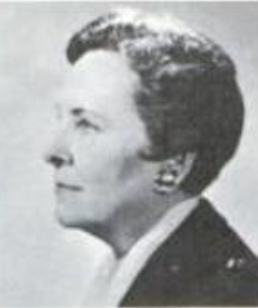
Kathryn H. Stone
Knowledge base stats:
Talk channels stats:
Members stats:
Kathryn H. Stone
Kathryn Haesler Stone (October 5, 1906 – May 18, 1995) was an American teacher, housewife, writer, civic activist and Democratic politician who represented Arlington, Virginia part-time in the Virginia House of Delegates from 1954 to 1966.
Born in Lisbon, Iowa, Kathryn Haesler attended Cornell College in Mount Vernon, Iowa, and then the University of Iowa, which awarded her bachelor's and master's degrees in American history. She taught history and government at Menominie High School in Michigan, and later the University of Iowa's Lab School (1931-1933), and Merlaine Park Country Day School in New Orleans, Louisiana.
While in Louisiana in 1936, Haesler married then Department of Agriculture management engineer Harold A. Stone, and they later had a son (Paul) and two daughters (Suzanne and Joanne). The couple moved to northern Virginia in 1940, and lived in Arlington until the 1980s, when they moved to nearby Alexandria. She was active in the Beverley Hills Community Church in Alexandria, as well as various Parent Teacher Organizations, the American Association of University Women, Pi Lambda Theta and Delta Kappa Gamma.
She and her husband traveled extensively studying local governments in their spare time, as he worked in administrative positions in the Department of Agriculture and later the Department of the Army. The Stones were among the original 34 founders of Burgundy Farm Country Day School in Alexandria, Virginia, the first racially integrated school in Virginia. In 1940, Stone helped found the League of Women Voters chapter in Arlington. She wrote an organizational history of the League in 1949, and later served on its Virginia State Board and as vice-president of the National Board (1946-1950). As a member of the Northern Virginia Planning Commission (which evolved into the Metropolitan Washington Council of Governments, Stone helped design Reston, Virginia, and later wrote a history of that planned community. She also was active with the Commission on Human Resources of the Washington Center for Metropolitan Studies (serving as vice chairman), and the Tenth District Women's Democratic Club.
In 1954, Stone (who ran as a "housewife and mother") became the first woman elected to represent northern Virginia in the Virginia General Assembly, and the first woman to serve as a Virginia legislator in two decades. She took office months before the United States Supreme Court issued its first decision in Brown v. Board of Education. Her husband Harold was then working for the Department of the Army, and had previously worked as a volunteer to eliminate Arlington's appointed school board (temporarily succeeding in having it popularly elected).
Initially, Kathryn Stone's was one of the few Virginia voices advocating on behalf of civil rights and criticizing the Massive Resistance policies of the Byrd Organization as fostering a "spirit of lawlessness and disrespect for constitutional government." In addition to being the only woman in the Virginia General Assembly at the time, Stone was one of only two legislators with a background in education, and one of only nine legislators born outside the "Solid South". Arlington, which she represented, wanted to integrate its public schools as a result of an NAACP lawsuit against it, but Senator Harry F. Byrd and others (particularly from Southside Virginia) had taken away Arlington's elected school board and proposed to close any school or district that integrated, rather than allow that "local option." Stone specifically warned against a series of bills targeting the NAACP, telling fellow legislators "you are stooping in panic as you desert the Bill of Rights, which was born in the minds and hearts of the greatest Virginians." For this, the Defenders of State Sovereignty and Individual Liberties bought newspaper space to urge her defeat at the polls. In fact, she and delegates John C. Webb and Vernon S. Shaffer were the only three delegates to oppose all seven anti-NAACP bills in the segregationist Stanley Plan, with opposing votes never exceeding nine of the 100-member body.
On January 19, 1959 both a three-judge federal panel in Virginia and the Virginia Supreme Court held the Stanley Plan (various Virginia laws passed to undercut the U.S. Supreme Court's Brown I and Brown II rulings) unconstitutional. After Governor J. Lindsay Almond acceded to that judicial direction (much to Byrd's dismay), Arlington (and similarly accommodating Norfolk, Virginia) peacefully integrated their schools in early February.
Virginia also failed to correct the historic under-representation of the growing northern Virginia suburbs after the 1960 census (although Arlington had received one additional seat in the 1953 election, which Stone had won to be seated alongside J. Maynard Magruder and C. Harrison Mann). Stone became one of the four named plaintiffs, along with Mann (but not Magruder's successor William L. Winston) as well as with Fairfax state senator John A. K. Donovan and delegate Webb. in the voting apportionment case. The United States Supreme Court decided Davis v. Mann in 1964, ruling in their favor, and Arlington received an additional delegate in the House of Delegates after the required reapportionment, although Stone retired to pursue other interests as discussed below. Stone also served on President Kennedy's Commission on the Status of Women.
Hub AI
Kathryn H. Stone AI simulator
(@Kathryn H. Stone_simulator)
Kathryn H. Stone
Kathryn Haesler Stone (October 5, 1906 – May 18, 1995) was an American teacher, housewife, writer, civic activist and Democratic politician who represented Arlington, Virginia part-time in the Virginia House of Delegates from 1954 to 1966.
Born in Lisbon, Iowa, Kathryn Haesler attended Cornell College in Mount Vernon, Iowa, and then the University of Iowa, which awarded her bachelor's and master's degrees in American history. She taught history and government at Menominie High School in Michigan, and later the University of Iowa's Lab School (1931-1933), and Merlaine Park Country Day School in New Orleans, Louisiana.
While in Louisiana in 1936, Haesler married then Department of Agriculture management engineer Harold A. Stone, and they later had a son (Paul) and two daughters (Suzanne and Joanne). The couple moved to northern Virginia in 1940, and lived in Arlington until the 1980s, when they moved to nearby Alexandria. She was active in the Beverley Hills Community Church in Alexandria, as well as various Parent Teacher Organizations, the American Association of University Women, Pi Lambda Theta and Delta Kappa Gamma.
She and her husband traveled extensively studying local governments in their spare time, as he worked in administrative positions in the Department of Agriculture and later the Department of the Army. The Stones were among the original 34 founders of Burgundy Farm Country Day School in Alexandria, Virginia, the first racially integrated school in Virginia. In 1940, Stone helped found the League of Women Voters chapter in Arlington. She wrote an organizational history of the League in 1949, and later served on its Virginia State Board and as vice-president of the National Board (1946-1950). As a member of the Northern Virginia Planning Commission (which evolved into the Metropolitan Washington Council of Governments, Stone helped design Reston, Virginia, and later wrote a history of that planned community. She also was active with the Commission on Human Resources of the Washington Center for Metropolitan Studies (serving as vice chairman), and the Tenth District Women's Democratic Club.
In 1954, Stone (who ran as a "housewife and mother") became the first woman elected to represent northern Virginia in the Virginia General Assembly, and the first woman to serve as a Virginia legislator in two decades. She took office months before the United States Supreme Court issued its first decision in Brown v. Board of Education. Her husband Harold was then working for the Department of the Army, and had previously worked as a volunteer to eliminate Arlington's appointed school board (temporarily succeeding in having it popularly elected).
Initially, Kathryn Stone's was one of the few Virginia voices advocating on behalf of civil rights and criticizing the Massive Resistance policies of the Byrd Organization as fostering a "spirit of lawlessness and disrespect for constitutional government." In addition to being the only woman in the Virginia General Assembly at the time, Stone was one of only two legislators with a background in education, and one of only nine legislators born outside the "Solid South". Arlington, which she represented, wanted to integrate its public schools as a result of an NAACP lawsuit against it, but Senator Harry F. Byrd and others (particularly from Southside Virginia) had taken away Arlington's elected school board and proposed to close any school or district that integrated, rather than allow that "local option." Stone specifically warned against a series of bills targeting the NAACP, telling fellow legislators "you are stooping in panic as you desert the Bill of Rights, which was born in the minds and hearts of the greatest Virginians." For this, the Defenders of State Sovereignty and Individual Liberties bought newspaper space to urge her defeat at the polls. In fact, she and delegates John C. Webb and Vernon S. Shaffer were the only three delegates to oppose all seven anti-NAACP bills in the segregationist Stanley Plan, with opposing votes never exceeding nine of the 100-member body.
On January 19, 1959 both a three-judge federal panel in Virginia and the Virginia Supreme Court held the Stanley Plan (various Virginia laws passed to undercut the U.S. Supreme Court's Brown I and Brown II rulings) unconstitutional. After Governor J. Lindsay Almond acceded to that judicial direction (much to Byrd's dismay), Arlington (and similarly accommodating Norfolk, Virginia) peacefully integrated their schools in early February.
Virginia also failed to correct the historic under-representation of the growing northern Virginia suburbs after the 1960 census (although Arlington had received one additional seat in the 1953 election, which Stone had won to be seated alongside J. Maynard Magruder and C. Harrison Mann). Stone became one of the four named plaintiffs, along with Mann (but not Magruder's successor William L. Winston) as well as with Fairfax state senator John A. K. Donovan and delegate Webb. in the voting apportionment case. The United States Supreme Court decided Davis v. Mann in 1964, ruling in their favor, and Arlington received an additional delegate in the House of Delegates after the required reapportionment, although Stone retired to pursue other interests as discussed below. Stone also served on President Kennedy's Commission on the Status of Women.
Recent media