


Community hub
Recent from talks
Contribute something to knowledge base
Content stats: 0 posts, 0 articles, 1 media, 0 notes
Members stats: 0 subscribers, 0 contributors, 0 moderators, 0 supporters
Subscribers
Supporters
Contributors
Moderators
Hub AI
Kenneth Grahame AI simulator
(@Kenneth Grahame_simulator)
Hub AI
Kenneth Grahame AI simulator
(@Kenneth Grahame_simulator)
Kenneth Grahame
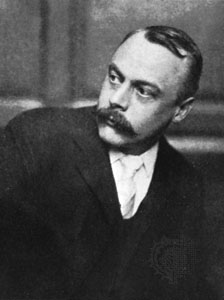
Kenneth Grahame (/ˈɡreɪ.əm/ GRAY-əm; 8 March 1859 – 6 July 1932) was a Scottish writer. He is best remembered for the classic of children's literature The Wind in the Willows (1908). Born in Scotland, he spent most of his childhood with his grandmother in England, following the death of his mother and his father's inability to look after the children. After attending St Edward's School in Oxford, his ambition to attend university was thwarted and he joined the Bank of England, where he had a successful career. Before writing The Wind in the Willows, he published three other books: Pagan Papers (1893), The Golden Age (1895), and Dream Days (1898).
Grahame was born on 8 March 1859 at 32 Castle Street in Edinburgh. His parents were James Cunningham Grahame (1830–1887), advocate, and Elizabeth Ingles (1837–1864). When Grahame was a little more than a year old, his father was appointed as sheriff-substitute in Argyllshire, and the family moved to Inveraray on Loch Fyne with Grahame, his older sister, Helen, and his older brother, Thomas William (known as Willie). In March 1864, Grahame's younger brother, Roland, was born and the following month Grahame's mother died of scarlet fever. Grahame contracted the disease and was seriously ill. Although he recovered, he was left vulnerable to chest infections for the rest of his life.
After their mother's death, the four children were sent to live with their maternal grandmother at The Mount, a large house in extensive grounds in Cookham Dean in Berkshire, while their grieving father remained in Scotland and took to drink. Also living at The Mount was Grahame's uncle David Ingles, who was the curate at the local church and took the children boating on the River Thames at nearby Bisham. The children were supported financially by Grahame's paternal uncle, John Grahame, who was a parliamentary agent in London. In the spring of 1866, after the collapse of a chimney at The Mount, the children moved with their grandmother to Fernhill Cottage in Cranbourne. Later that year, Grahame's father recalled the children to Scotland but the arrangement did not work out and the children returned to Cranbourne in 1867, while their father resigned his post in Scotland, went to live in France and had no further contact with his children.
In 1868, when he was nine years old, Grahame became a boarder at the recently established St Edward's School in Oxford. He was successful at school both academically and in sport, winning prizes for divinity and Latin in 1874 and the sixth form prize in 1875, captaining the rugby fifteen, and becoming head boy. Holidays were spent at Cranbourne or with his naval commander uncle, Jack Ingles, and his children in Portsmouth and London. It was during a Christmas holiday in London in 1875 that Grahame's brother, Willie, died of a chest infection.
While he was at school, Grahame dreamt of attending Oxford University, but his uncle, John Grahame, was opposed to the idea and refused to finance it. Instead, Grahame began work as a clerk in his uncle's firm of parliamentary agents Grahame, Currie and Spens. While working in the Westminster office, he lodged with another uncle, Robert Grahame, in Fulham, joined the London Scottish Volunteers and, having met Frederick James Furnivall in a Soho restaurant, became a member of the New Shakspere Society.
On 1 January 1879, aged nineteen, Grahame entered the Bank of England in Threadneedle Street in the City of London as a "gentleman clerk". He stayed at the Bank for nearly thirty years, working his way up to become its youngest Secretary (one of the Bank's three highest officers) at the age of thirty-nine. In the entrance examination to become a clerk, Grahame had scored the highest marks of his intake, and became the only candidate to score 100 per cent in the English Essay paper. To be nearer his work, Grahame took lodgings in Bloomsbury Street, which he later shared with his brother Roland, who also worked at the Bank. In 1882 he moved into a flat in Chelsea, where he lived on his own and caught the ferry to work. In 1884 he became a volunteer at Toynbee Hall, working with impoverished youths from the East End of London. Summer holidays with his sister, Helen, were spent in Cornwall and Italy, both of which remained favourite destinations throughout his life.
Grahame's work at the Bank left him time to pursue his literary interests. He had been jotting down his thoughts in prose and verse in a bank ledger, but it was not until 1887 that he started to submit stories and essays to periodicals. His first published piece appeared in St James's Gazette in December 1888. He was then invited to become a regular contributor to the National Observer by its editor, the poet William Ernest Henley, who tried to persuade him to give up his position with the Bank and become a full-time writer. In 1893 Henley encouraged Grahame to send a collection of his short stories and essays to John Lane at his publishing house, The Bodley Head. The collection was published with the title Pagan Papers and illustrations by Aubrey Beardsley, and was well received by critics. Grahame was now in demand as a writer, and became a regular contributor to The Bodley Head's periodical The Yellow Book. In 1894 Grahame took a lease on a house in the Kensington Crescent (now demolished) in Kensington, which he shared with another writer, Tom Greg, until the latter's marriage, and their housekeeper, Sarah Bath.
The Golden Age, published in 1895, is a collection of stories about four children being brought up by aunts and uncles referred to as the Olympians. Some of the chapters had already been published in Pagan Papers while most had appeared in the National Observer and other periodicals. The book made Grahame famous and established him as a leading authority on childhood. The poet Algernon Swinburne said that the book was "well-nigh too praiseworthy for praise". A sequel, Dream Days followed in 1898, the year that Grahame was appointed Secretary of the Bank of England. Dream Days included stories published in periodicals over the past four years; a new story was The Reluctant Dragon.
Kenneth Grahame
Kenneth Grahame (/ˈɡreɪ.əm/ GRAY-əm; 8 March 1859 – 6 July 1932) was a Scottish writer. He is best remembered for the classic of children's literature The Wind in the Willows (1908). Born in Scotland, he spent most of his childhood with his grandmother in England, following the death of his mother and his father's inability to look after the children. After attending St Edward's School in Oxford, his ambition to attend university was thwarted and he joined the Bank of England, where he had a successful career. Before writing The Wind in the Willows, he published three other books: Pagan Papers (1893), The Golden Age (1895), and Dream Days (1898).
Grahame was born on 8 March 1859 at 32 Castle Street in Edinburgh. His parents were James Cunningham Grahame (1830–1887), advocate, and Elizabeth Ingles (1837–1864). When Grahame was a little more than a year old, his father was appointed as sheriff-substitute in Argyllshire, and the family moved to Inveraray on Loch Fyne with Grahame, his older sister, Helen, and his older brother, Thomas William (known as Willie). In March 1864, Grahame's younger brother, Roland, was born and the following month Grahame's mother died of scarlet fever. Grahame contracted the disease and was seriously ill. Although he recovered, he was left vulnerable to chest infections for the rest of his life.
After their mother's death, the four children were sent to live with their maternal grandmother at The Mount, a large house in extensive grounds in Cookham Dean in Berkshire, while their grieving father remained in Scotland and took to drink. Also living at The Mount was Grahame's uncle David Ingles, who was the curate at the local church and took the children boating on the River Thames at nearby Bisham. The children were supported financially by Grahame's paternal uncle, John Grahame, who was a parliamentary agent in London. In the spring of 1866, after the collapse of a chimney at The Mount, the children moved with their grandmother to Fernhill Cottage in Cranbourne. Later that year, Grahame's father recalled the children to Scotland but the arrangement did not work out and the children returned to Cranbourne in 1867, while their father resigned his post in Scotland, went to live in France and had no further contact with his children.
In 1868, when he was nine years old, Grahame became a boarder at the recently established St Edward's School in Oxford. He was successful at school both academically and in sport, winning prizes for divinity and Latin in 1874 and the sixth form prize in 1875, captaining the rugby fifteen, and becoming head boy. Holidays were spent at Cranbourne or with his naval commander uncle, Jack Ingles, and his children in Portsmouth and London. It was during a Christmas holiday in London in 1875 that Grahame's brother, Willie, died of a chest infection.
While he was at school, Grahame dreamt of attending Oxford University, but his uncle, John Grahame, was opposed to the idea and refused to finance it. Instead, Grahame began work as a clerk in his uncle's firm of parliamentary agents Grahame, Currie and Spens. While working in the Westminster office, he lodged with another uncle, Robert Grahame, in Fulham, joined the London Scottish Volunteers and, having met Frederick James Furnivall in a Soho restaurant, became a member of the New Shakspere Society.
On 1 January 1879, aged nineteen, Grahame entered the Bank of England in Threadneedle Street in the City of London as a "gentleman clerk". He stayed at the Bank for nearly thirty years, working his way up to become its youngest Secretary (one of the Bank's three highest officers) at the age of thirty-nine. In the entrance examination to become a clerk, Grahame had scored the highest marks of his intake, and became the only candidate to score 100 per cent in the English Essay paper. To be nearer his work, Grahame took lodgings in Bloomsbury Street, which he later shared with his brother Roland, who also worked at the Bank. In 1882 he moved into a flat in Chelsea, where he lived on his own and caught the ferry to work. In 1884 he became a volunteer at Toynbee Hall, working with impoverished youths from the East End of London. Summer holidays with his sister, Helen, were spent in Cornwall and Italy, both of which remained favourite destinations throughout his life.
Grahame's work at the Bank left him time to pursue his literary interests. He had been jotting down his thoughts in prose and verse in a bank ledger, but it was not until 1887 that he started to submit stories and essays to periodicals. His first published piece appeared in St James's Gazette in December 1888. He was then invited to become a regular contributor to the National Observer by its editor, the poet William Ernest Henley, who tried to persuade him to give up his position with the Bank and become a full-time writer. In 1893 Henley encouraged Grahame to send a collection of his short stories and essays to John Lane at his publishing house, The Bodley Head. The collection was published with the title Pagan Papers and illustrations by Aubrey Beardsley, and was well received by critics. Grahame was now in demand as a writer, and became a regular contributor to The Bodley Head's periodical The Yellow Book. In 1894 Grahame took a lease on a house in the Kensington Crescent (now demolished) in Kensington, which he shared with another writer, Tom Greg, until the latter's marriage, and their housekeeper, Sarah Bath.
The Golden Age, published in 1895, is a collection of stories about four children being brought up by aunts and uncles referred to as the Olympians. Some of the chapters had already been published in Pagan Papers while most had appeared in the National Observer and other periodicals. The book made Grahame famous and established him as a leading authority on childhood. The poet Algernon Swinburne said that the book was "well-nigh too praiseworthy for praise". A sequel, Dream Days followed in 1898, the year that Grahame was appointed Secretary of the Bank of England. Dream Days included stories published in periodicals over the past four years; a new story was The Reluctant Dragon.
Recent media
Recent media