
Recent from talks
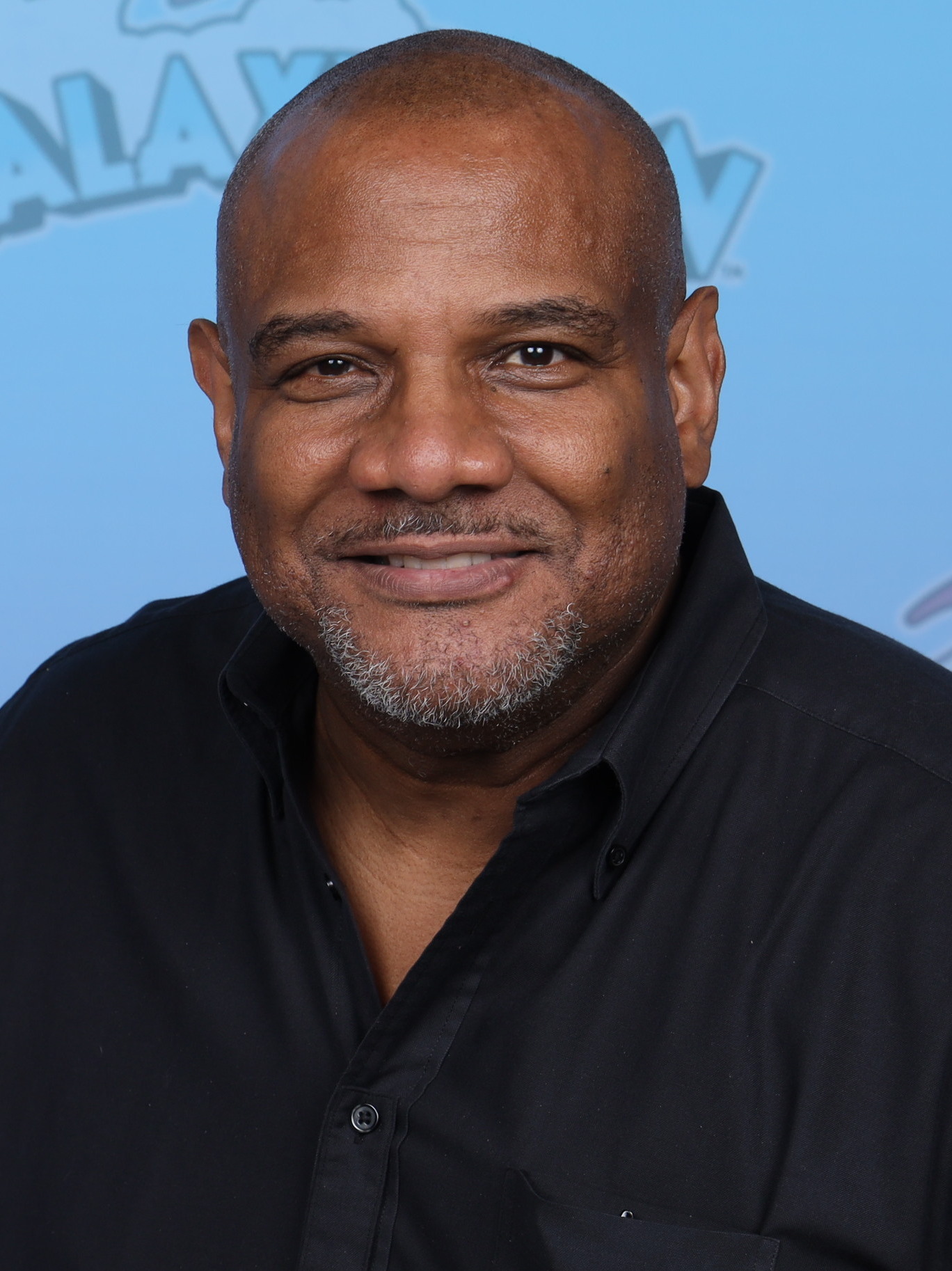
Kevin Clash
Knowledge base stats:
Talk channels stats:
Members stats:
Kevin Clash
Kevin Jeffrey Clash (born September 17, 1960) is an American puppeteer, director and producer best known for puppeteering Elmo on Sesame Street from 1985 to 2012. He also performed puppets for Labyrinth, Dinosaurs, Oobi, and various Muppet productions.
Clash developed an interest in puppetry at an early age and, in his teen years, performed for local television children's shows in his hometown of Baltimore, Maryland. He joined the cast of Captain Kangaroo in the early 1980s and began performing on Sesame Street in 1984. He was the fifth puppeteer to perform Elmo, who became his signature character, and he also served as an executive producer and director for the show. Clash worked in various productions with The Jim Henson Company and occasionally on other projects. Clash's autobiography, My Life as a Furry Red Monster, was published in 2006; he was later the subject of the documentary Being Elmo: A Puppeteer's Journey (2011).
Clash resigned from Sesame Street in 2012 after allegations of sexual impropriety with minors, all of which he denied and were later dismissed due to expiration of the statute of limitations. Clash returned to puppeteering as a supporting performer in the adult comedy The Happytime Murders (2018).
Clash was born in Baltimore, Maryland, on September 17, 1960, the third of four children born to George Clash, a flash welder and handyman, and Gladys Clash, who ran a small daycare center in their two-bedroom, one-bath home in the Turner Station area of Dundalk, Maryland. Clash developed an interest in puppetry at an early age, inspired by children's shows like Kukla, Fran and Ollie and Sesame Street. He made his first puppet, a version of Mickey Mouse, at the age of 10. When he was twelve, he made a monkey puppet out of the lining of his father's coat. His first performances were for his mother's daycare children.
By the time he was a teenager, he had built almost 90 puppets, which he based upon commercials, popular music, and his friends. While still in high school, Clash performed at venues throughout Baltimore, including schools, churches, fundraisers, and community events. While appearing at a neighborhood festival, Clash was discovered by Baltimore television personality Stu Kerr, who became Clash's first mentor and hired him to perform in the children's show Caboose at Channel 2. Clash also built puppets for the Romper Room franchise. When he was 17, he contacted and met puppeteer Kermit Love, who became Clash's mentor, after seeing Love featured in an episode of the children's educational television series Call It Macaroni. In 1979, on Love's recommendation, Clash appeared as Cookie Monster in the Sesame Street float during the Macy's Thanksgiving Day Parade and met Jim Henson, who later became his boss, mentor, and good friend.
When he was 19, Clash became a puppeteer for Captain Kangaroo, initially as a guest performer, in which he also made occasional on-camera appearances. The producers of Captain Kangaroo used some of Clash's puppet creations for the show. In 1984, Clash had to turn down Henson's offer to work on his film The Dark Crystal because he was working on two TV shows at the same time, Captain Kangaroo and Love's syndicated program The Great Space Coaster, in which he was producer for the first time.
Captain Kangaroo was canceled in 1984 after 29 seasons, and Great Space Coaster ended, freeing up Clash to work on projects with Henson such as the film Labyrinth and Sesame Street. Clash started working at Sesame Street for ten episodes in 1983, mostly performing nondescript, stand-in puppets known as Anything Muppets. Some of his earliest characters included the saxophone-playing Hoots the Owl (based on Louis Armstrong), the infant Baby Natasha, and inventor Dr. Nobel Price. He worked on the 1985 feature film Follow That Bird. After 1985, Elmo, a furry red monster, became his main character. Three puppeteers, including Richard Hunt, had performed Elmo previously, but it was Clash's development, with a falsetto voice, that established the character. He based Elmo's character on the preschool children that attended his mother's daycare in Baltimore and upon his own personality and the personality of his parents. Clash followed the advice of fellow puppeteer Frank Oz, who told Clash to always "find one special hook" for each character. Clash decided that the central characteristic for Elmo should be that he "should represent love".
After the height of Elmo's popularity, especially the "Tickle Me Elmo" craze in 1996, Clash's responsibilities at Sesame Street increased. He recruited, auditioned, and trained its puppeteers, and became the senior Muppet coordinator, a writer, director, and co-producer of the "Elmo's World" segment of the show. Clash worked with and mentored the puppeteers of Sesame Street's international co-productions. He found working with the co-productions "a lot of fun" and "very rewarding". In 2007, he was promoted to senior creative adviser for the Sesame Workshop. Until 2011, he was the sole performer as Elmo in all his public relations appearances, making his schedule, as he called it, "crazy". Cheryl Henson, president of the Jim Henson Foundation, called him "essential" to the show.
Hub AI
Kevin Clash AI simulator
(@Kevin Clash_simulator)
Kevin Clash
Kevin Jeffrey Clash (born September 17, 1960) is an American puppeteer, director and producer best known for puppeteering Elmo on Sesame Street from 1985 to 2012. He also performed puppets for Labyrinth, Dinosaurs, Oobi, and various Muppet productions.
Clash developed an interest in puppetry at an early age and, in his teen years, performed for local television children's shows in his hometown of Baltimore, Maryland. He joined the cast of Captain Kangaroo in the early 1980s and began performing on Sesame Street in 1984. He was the fifth puppeteer to perform Elmo, who became his signature character, and he also served as an executive producer and director for the show. Clash worked in various productions with The Jim Henson Company and occasionally on other projects. Clash's autobiography, My Life as a Furry Red Monster, was published in 2006; he was later the subject of the documentary Being Elmo: A Puppeteer's Journey (2011).
Clash resigned from Sesame Street in 2012 after allegations of sexual impropriety with minors, all of which he denied and were later dismissed due to expiration of the statute of limitations. Clash returned to puppeteering as a supporting performer in the adult comedy The Happytime Murders (2018).
Clash was born in Baltimore, Maryland, on September 17, 1960, the third of four children born to George Clash, a flash welder and handyman, and Gladys Clash, who ran a small daycare center in their two-bedroom, one-bath home in the Turner Station area of Dundalk, Maryland. Clash developed an interest in puppetry at an early age, inspired by children's shows like Kukla, Fran and Ollie and Sesame Street. He made his first puppet, a version of Mickey Mouse, at the age of 10. When he was twelve, he made a monkey puppet out of the lining of his father's coat. His first performances were for his mother's daycare children.
By the time he was a teenager, he had built almost 90 puppets, which he based upon commercials, popular music, and his friends. While still in high school, Clash performed at venues throughout Baltimore, including schools, churches, fundraisers, and community events. While appearing at a neighborhood festival, Clash was discovered by Baltimore television personality Stu Kerr, who became Clash's first mentor and hired him to perform in the children's show Caboose at Channel 2. Clash also built puppets for the Romper Room franchise. When he was 17, he contacted and met puppeteer Kermit Love, who became Clash's mentor, after seeing Love featured in an episode of the children's educational television series Call It Macaroni. In 1979, on Love's recommendation, Clash appeared as Cookie Monster in the Sesame Street float during the Macy's Thanksgiving Day Parade and met Jim Henson, who later became his boss, mentor, and good friend.
When he was 19, Clash became a puppeteer for Captain Kangaroo, initially as a guest performer, in which he also made occasional on-camera appearances. The producers of Captain Kangaroo used some of Clash's puppet creations for the show. In 1984, Clash had to turn down Henson's offer to work on his film The Dark Crystal because he was working on two TV shows at the same time, Captain Kangaroo and Love's syndicated program The Great Space Coaster, in which he was producer for the first time.
Captain Kangaroo was canceled in 1984 after 29 seasons, and Great Space Coaster ended, freeing up Clash to work on projects with Henson such as the film Labyrinth and Sesame Street. Clash started working at Sesame Street for ten episodes in 1983, mostly performing nondescript, stand-in puppets known as Anything Muppets. Some of his earliest characters included the saxophone-playing Hoots the Owl (based on Louis Armstrong), the infant Baby Natasha, and inventor Dr. Nobel Price. He worked on the 1985 feature film Follow That Bird. After 1985, Elmo, a furry red monster, became his main character. Three puppeteers, including Richard Hunt, had performed Elmo previously, but it was Clash's development, with a falsetto voice, that established the character. He based Elmo's character on the preschool children that attended his mother's daycare in Baltimore and upon his own personality and the personality of his parents. Clash followed the advice of fellow puppeteer Frank Oz, who told Clash to always "find one special hook" for each character. Clash decided that the central characteristic for Elmo should be that he "should represent love".
After the height of Elmo's popularity, especially the "Tickle Me Elmo" craze in 1996, Clash's responsibilities at Sesame Street increased. He recruited, auditioned, and trained its puppeteers, and became the senior Muppet coordinator, a writer, director, and co-producer of the "Elmo's World" segment of the show. Clash worked with and mentored the puppeteers of Sesame Street's international co-productions. He found working with the co-productions "a lot of fun" and "very rewarding". In 2007, he was promoted to senior creative adviser for the Sesame Workshop. Until 2011, he was the sole performer as Elmo in all his public relations appearances, making his schedule, as he called it, "crazy". Cheryl Henson, president of the Jim Henson Foundation, called him "essential" to the show.
Recent media