


Community hub
Recent from talks
Contribute something to knowledge base
Content stats: 0 posts, 0 articles, 1 media, 0 notes
Members stats: 0 subscribers, 0 contributors, 0 moderators, 0 supporters
Subscribers
Supporters
Contributors
Moderators
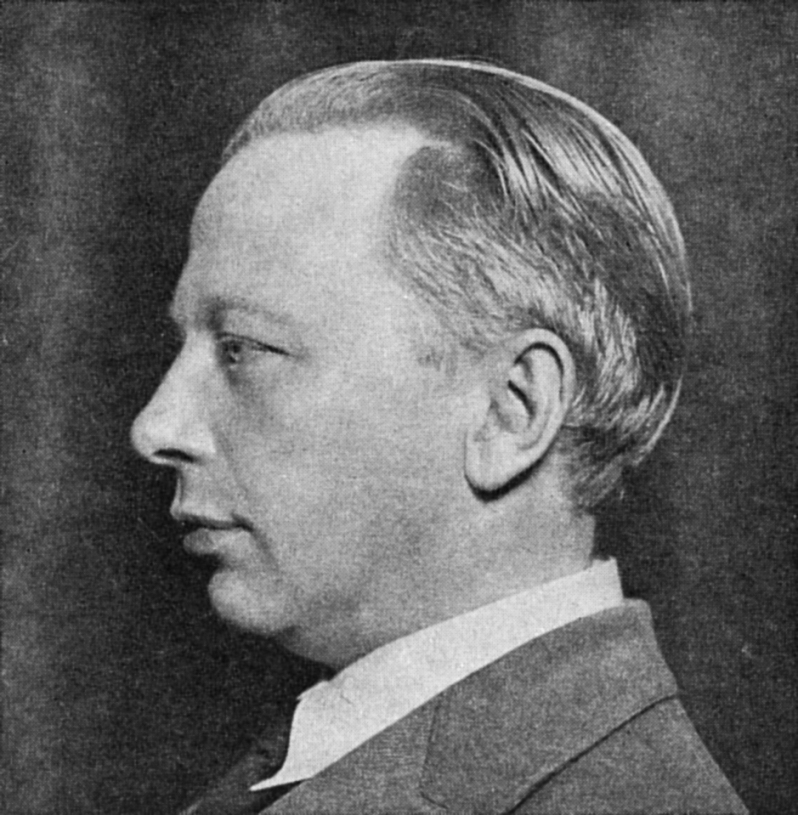
Kurt Atterberg
Kurt Magnus Atterberg (Swedish: [²atːɛrbærj], 12 December 1887 – 15 February 1974) was a Swedish composer and civil engineer. Along with Ture Rangström, he was one the foremost Swedish composers of the generation succeeding Wilhelm Peterson-Berger, Wilhelm Stenhammar and Hugo Alfvén. Atterberg is best known for his symphonies, operas, and ballets.
Atterberg was born in Gothenburg. His father was Anders Johan Atterberg, engineer; his uncle was the chemist Albert Atterberg. His mother, Elvira Uddman, was the daughter of a famous male opera singer.
In 1902, Atterberg began learning the cello, having been inspired by a concert by the Brussels String Quartet, featuring a performance of Beethoven's String Quartet No. 8. Six years later he became a performer in the Stockholm Concert Society, now known as the Royal Stockholm Philharmonic Orchestra, as well as publishing his first completed work, the Rhapsody for Piano and Orchestra, Op. 1. His String Quartet No. 1 in D major, Op. 2, soon followed.
While already studying electrical engineering at the Royal Institute of Technology, Atterberg also enrolled at the Royal College of Music, Stockholm in 1910 with a score of his Rhapsody and an incomplete version of his Symphony No. 1. There he studied composition and orchestration under the composer Andreas Hallén. He earned his engineering diploma a year later, as well as being awarded a State Music Fellowship. He made his conducting debut at a concert in Gothenburg in 1912, premiering his first symphony and the Concert Overture in A minor, Op. 4.
Although continuing to compose and conduct, Atterberg enjoyed a fulfilling career in several different organisations. He accepted a post at the Swedish Patent and Registration Office in 1912, going on to become a head of department in 1936 and working there until his retirement in 1968.
Possibly Atterberg's greatest success was his triumph in the 1928 International Columbia Graphophone Competition, organized to commemorate the 100-year anniversary of Franz Schubert's death. Eventually, his sixth symphony was chosen out of 500 submissions as the winning work, over Franz Schmidt's 3rd symphony and Czeslaw Marek's Sinfonia brevis. It was performed all over the Western world in subsequent years, among others by Thomas Beecham and Arturo Toscanini.
Atterberg died on 15 February 1974 in Stockholm, aged 86, and was buried there in the Northern Cemetery.
Both before and during the Nazi era, Atterberg collaborated with German composers and music organizations with the aim of strengthening Swedish-German musical relations. He sometimes conducted his own works with famous orchestras in Germany and several famous conductors also performed Atterberg's symphonies. Atterberg never hesitated to pass on the German contacts he had made over the years to his Swedish colleagues or to work to have Swedish works performed in Germany. In this way, Albert Henneberg could collaborate with Fritz Tutenberg, whom Atterberg had known since a music festival in Kiel in 1926, and together with him write operas for the opera in Chemnitz. From 1935–1938, Atterberg was also general secretary of the Permanent Council for the International Co-operation of Composers (Ständiger Rat für die internationale Zusammenarbeit der Komponisten), founded by Richard Strauss.[citation needed]
Kurt Atterberg
Kurt Magnus Atterberg (Swedish: [²atːɛrbærj], 12 December 1887 – 15 February 1974) was a Swedish composer and civil engineer. Along with Ture Rangström, he was one the foremost Swedish composers of the generation succeeding Wilhelm Peterson-Berger, Wilhelm Stenhammar and Hugo Alfvén. Atterberg is best known for his symphonies, operas, and ballets.
Atterberg was born in Gothenburg. His father was Anders Johan Atterberg, engineer; his uncle was the chemist Albert Atterberg. His mother, Elvira Uddman, was the daughter of a famous male opera singer.
In 1902, Atterberg began learning the cello, having been inspired by a concert by the Brussels String Quartet, featuring a performance of Beethoven's String Quartet No. 8. Six years later he became a performer in the Stockholm Concert Society, now known as the Royal Stockholm Philharmonic Orchestra, as well as publishing his first completed work, the Rhapsody for Piano and Orchestra, Op. 1. His String Quartet No. 1 in D major, Op. 2, soon followed.
While already studying electrical engineering at the Royal Institute of Technology, Atterberg also enrolled at the Royal College of Music, Stockholm in 1910 with a score of his Rhapsody and an incomplete version of his Symphony No. 1. There he studied composition and orchestration under the composer Andreas Hallén. He earned his engineering diploma a year later, as well as being awarded a State Music Fellowship. He made his conducting debut at a concert in Gothenburg in 1912, premiering his first symphony and the Concert Overture in A minor, Op. 4.
Although continuing to compose and conduct, Atterberg enjoyed a fulfilling career in several different organisations. He accepted a post at the Swedish Patent and Registration Office in 1912, going on to become a head of department in 1936 and working there until his retirement in 1968.
Possibly Atterberg's greatest success was his triumph in the 1928 International Columbia Graphophone Competition, organized to commemorate the 100-year anniversary of Franz Schubert's death. Eventually, his sixth symphony was chosen out of 500 submissions as the winning work, over Franz Schmidt's 3rd symphony and Czeslaw Marek's Sinfonia brevis. It was performed all over the Western world in subsequent years, among others by Thomas Beecham and Arturo Toscanini.
Atterberg died on 15 February 1974 in Stockholm, aged 86, and was buried there in the Northern Cemetery.
Both before and during the Nazi era, Atterberg collaborated with German composers and music organizations with the aim of strengthening Swedish-German musical relations. He sometimes conducted his own works with famous orchestras in Germany and several famous conductors also performed Atterberg's symphonies. Atterberg never hesitated to pass on the German contacts he had made over the years to his Swedish colleagues or to work to have Swedish works performed in Germany. In this way, Albert Henneberg could collaborate with Fritz Tutenberg, whom Atterberg had known since a music festival in Kiel in 1926, and together with him write operas for the opera in Chemnitz. From 1935–1938, Atterberg was also general secretary of the Permanent Council for the International Co-operation of Composers (Ständiger Rat für die internationale Zusammenarbeit der Komponisten), founded by Richard Strauss.[citation needed]
Recent media
Recent media