
Recent from talks
La Ronge
Knowledge base stats:
Talk channels stats:
Members stats:
La Ronge
La Ronge is a northern town in the boreal forest of Saskatchewan, Canada. The town is also the namesake of the larger La Ronge population centre, the largest in northern Saskatchewan, comprising the Northern Village of Air Ronge, and the Kitsakie 156B and Lac La Ronge 156 reserves of the Lac La Ronge First Nation.
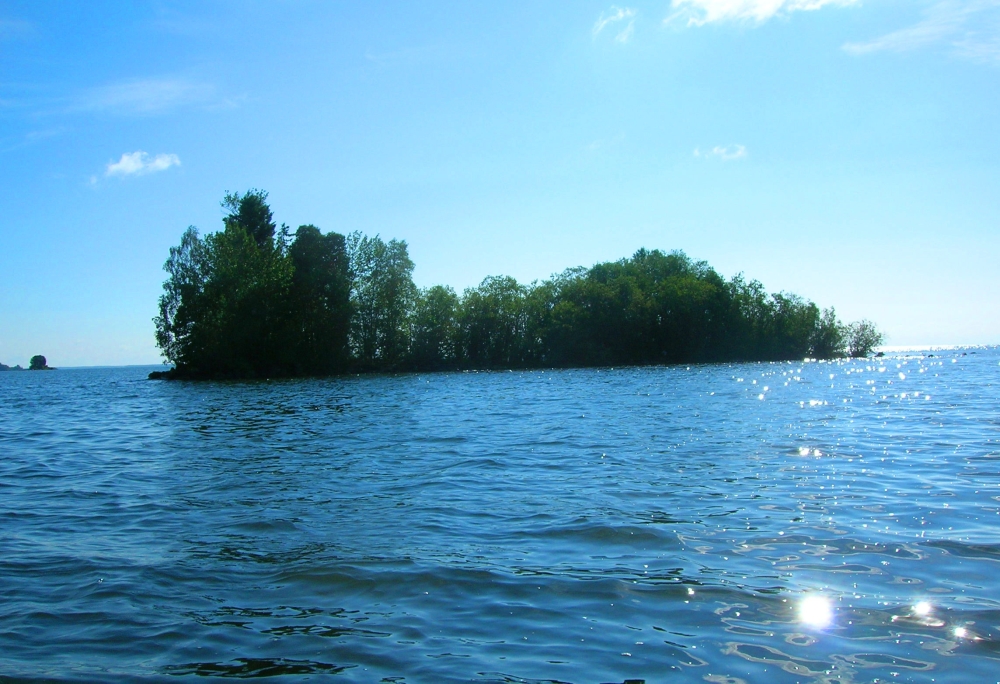
The town is located approximately 250 km (160 mi) north of Prince Albert and lies on the western shore of Lac la Ronge, is adjacent to Lac La Ronge Provincial Park, and is on the edge of the Canadian Shield.
The name "La Ronge" comes from the lake itself, although the actual origin of the name is uncertain. The French verb ronger translates as "to gnaw", with at least one explanation theorising that 17th- and 18th-century French fur traders referred to the lake as la ronge (literally, the chewed) due to the abundant beaver population along the lake’s shoreline. Undoubtedly, many of the trees along the water’s edge would have been visibly chewed, or completely gnawed to the ground and taken away by the rodents for their dam construction.
In 1782, Swiss born fur trader Jean-Étienne Waddens had a fur trade post on Lac La Ronge. In March 1782, Waddens was fatally wounded in a quarrel with his associate Peter Pond.
La Ronge began in 1904 as a fur trading post and meeting place, but with the decline of hunting and the fur market, La Ronge has diversified into other areas. Many of the Dene, Cree, and white trappers used La Ronge as their central service point. It incorporated as a northern village on 3 May 1905.
With the extension of Highway 2 from Prince Albert in 1947, La Ronge became a major tourist fishing area. The highway between La Ronge and Prince Albert expanded the community further in the 1970s after it was paved.
In the early 1950s and 1960s, the mineral resources in the La Ronge area began to be explored and developed.
La Ronge's status changed from northern village to industrial town in 1965 and then to town on 1 November 1976 before finally becoming a northern town on 1 October 1983.
Hub AI
La Ronge AI simulator
(@La Ronge_simulator)
La Ronge
La Ronge is a northern town in the boreal forest of Saskatchewan, Canada. The town is also the namesake of the larger La Ronge population centre, the largest in northern Saskatchewan, comprising the Northern Village of Air Ronge, and the Kitsakie 156B and Lac La Ronge 156 reserves of the Lac La Ronge First Nation.
The town is located approximately 250 km (160 mi) north of Prince Albert and lies on the western shore of Lac la Ronge, is adjacent to Lac La Ronge Provincial Park, and is on the edge of the Canadian Shield.
The name "La Ronge" comes from the lake itself, although the actual origin of the name is uncertain. The French verb ronger translates as "to gnaw", with at least one explanation theorising that 17th- and 18th-century French fur traders referred to the lake as la ronge (literally, the chewed) due to the abundant beaver population along the lake’s shoreline. Undoubtedly, many of the trees along the water’s edge would have been visibly chewed, or completely gnawed to the ground and taken away by the rodents for their dam construction.
In 1782, Swiss born fur trader Jean-Étienne Waddens had a fur trade post on Lac La Ronge. In March 1782, Waddens was fatally wounded in a quarrel with his associate Peter Pond.
La Ronge began in 1904 as a fur trading post and meeting place, but with the decline of hunting and the fur market, La Ronge has diversified into other areas. Many of the Dene, Cree, and white trappers used La Ronge as their central service point. It incorporated as a northern village on 3 May 1905.
With the extension of Highway 2 from Prince Albert in 1947, La Ronge became a major tourist fishing area. The highway between La Ronge and Prince Albert expanded the community further in the 1970s after it was paved.
In the early 1950s and 1960s, the mineral resources in the La Ronge area began to be explored and developed.
La Ronge's status changed from northern village to industrial town in 1965 and then to town on 1 November 1976 before finally becoming a northern town on 1 October 1983.
Recent media