Hubbry Logo
AnabantoideiAnabantoideiMain
Open search
Anabantoidei
Community hub
Anabantoidei
logo
8 pages, 0 posts
0 subscribers
Be the first to start a discussion here.
Anabantoidei
Anabantoidei
from Wikipedia

Anabantoidei
Temporal range: Eocene–Recent
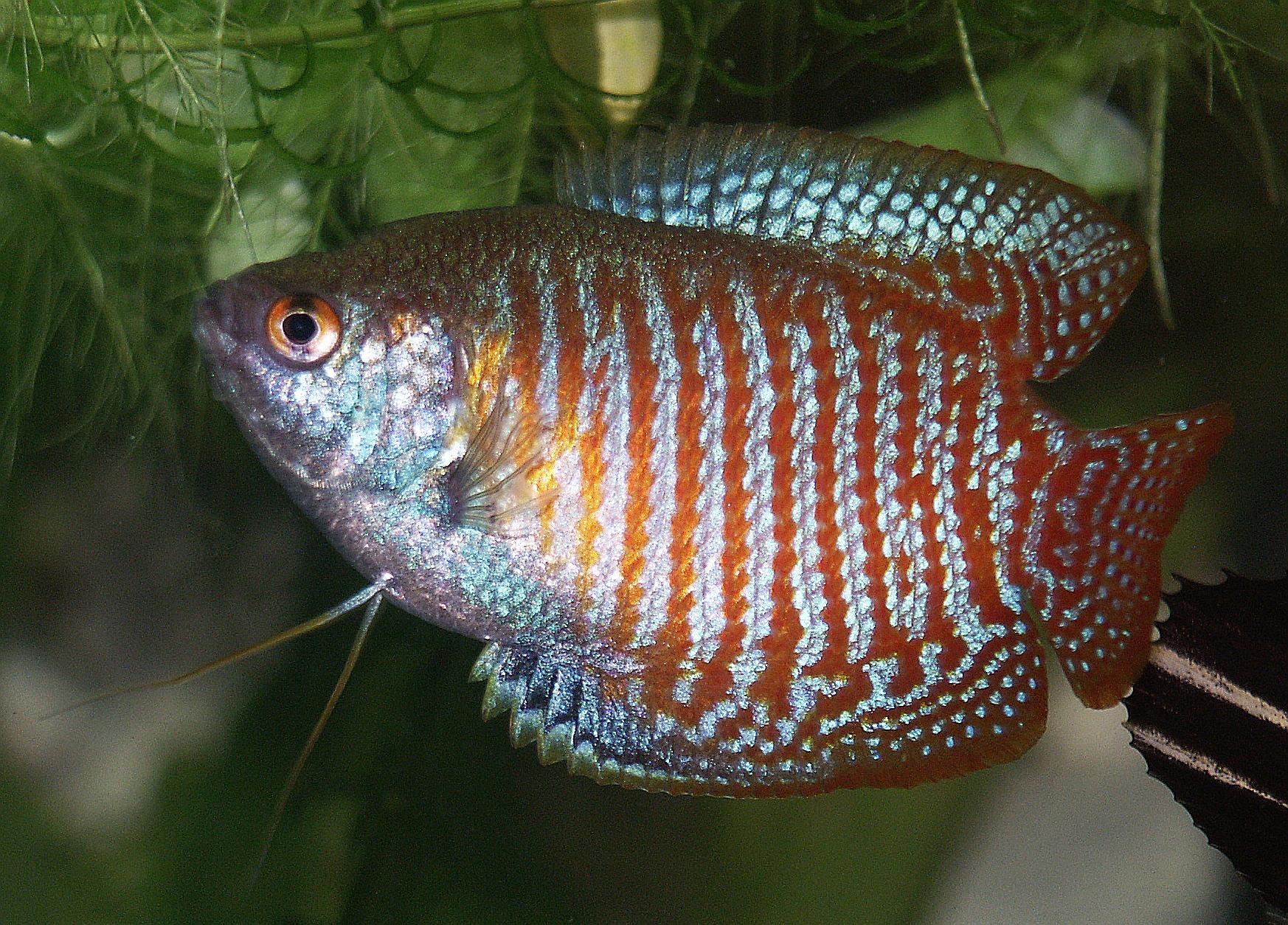
Dwarf gourami (Trichogaster lalius)
Scientific classification Edit this classification
Kingdom: Animalia
Phylum: Chordata
Class: Actinopterygii
Order: Anabantiformes
Suborder: Anabantoidei
Berg, 1940[1]
Families[2][3]

The Anabantoidei are a suborder of anabantiform ray-finned freshwater fish distinguished by their possession of a lung-like labyrinth organ, which enables them to breathe air. The fish in the Anabantoidei suborder are known as anabantoids or labyrinth fish, or colloquially as gouramies (which more precisely refers to the family Osphronemidae). Some labyrinth fish are important food fish, and many others, such as the Siamese fighting fish and paradise fish, are popular as aquarium fish.

Labyrinth organ

[edit]

The labyrinth organs, a defining characteristic of fish in the suborder Anabantoidei, is a much-folded suprabranchial accessory breathing organ. It is formed by vascularized expansion of the epibranchial bone of the first gill arch and used for respiration in air.[4]

This organ allows labyrinth fish to take in oxygen directly from the air, instead of taking it from the water in which they reside through use of gills. The labyrinth organ helps the inhaled oxygen to be absorbed into the bloodstream. As a result, labyrinth fish can survive for a short period of time out of water, as they can inhale the air around them, provided they stay moist.

Labyrinth organ of a climbing perch (Anabas testudineus)

Labyrinth fish are not born with functional labyrinth organs. The development of the organ is gradual; most labyrinth fish initially breathe entirely with their gills, and develop the labyrinth organs as they grow older.[4]

Range

[edit]

Labyrinth fish are endemic to fresh waters of Asia and Africa. In Asia, they are found throughout East, Southeast, and South Asia, especially but not exclusively in the warm, slow-flowing, low-oxygen waters. In Africa, significantly smaller numbers of labyrinth fish can be found in the southern half of the continent, with concentrations in the rainforest waters.[4]

The characteristics of the fish habitats are indicators of the size of the labyrinth organ, as the organ size is negatively correlated with the level of oxygen in the waters. Species native to low-oxygen waters are more likely to have larger and more complex labyrinth organs than species found in fast-flowing, oxygen-rich waters.[4]

Behavior

[edit]
A male Siamese fighting fish, Betta splendens, is building a bubble nest.

In general, the labyrinth fish are carnivores that eat small aquatic organisms and carrion. Some species will also consume algae and water plants. Most fish are active during daytime, but several African species feed at twilight and night. Species of the genus Trichogaster can spit water toward insects to bring them down to the water surface, similarly to the archerfish behavior.[4]

Labyrinth fish are well known for their bubble-nesting behavior, although some species do not build bubble nests and employ other methods of brooding. For the bubble nesting species, males establish nesting territories and defend them vigorously. As the name suggests, the bubble nests are floating bubbles coated with oral mucus from the males. Typically, the male bubble nesters stay nearby to guard the nests and constantly retrieve any falling eggs and fry to the nest. Some Betta species from fast-flowing waters, however, are mouthbrooders and do not build bubble nests.[5] In these species, males hold the eggs and fry in their mouths and release the free-swimming fry about a week to 10 days after spawning.

Phylogeny

[edit]

Phylogeny of families and genera in Anabatoidei based on mitochondrial DNA sequences:[6]

Anabantoidei

Anabantoids as food fish

[edit]
The giant gourami, Osphronemus goramy, is often raised in floating cages in central Thailand.

Several labyrinth fish are important food sources in their native countries. The giant gourami, in particular, is highly valued as food fish, due to its size and tender flesh with few spines.[7] This species is farmed extensively in Thailand and other Southeast Asian countries, and was intentionally introduced in tropical and subtropical waters around the world. During the colonial period, the French attempted to introduce this fish to many of their territories. Although an attempt to introduce a population in southern France failed, the giant gourami became well established in other French colonies.[4] In the late 1880s, attempts to introduce the giant gourami to California waters as food fish were unsuccessful. In the 1950s, a giant gourami population was established in Hawaii.[8]

Other smaller labyrinth fish, such as the climbing perch, the kissing gourami, the snakeskin gourami, and other gouramies of the genus Trichogaster, are local food fish in Southeast Asia.[4] In some areas, the fish are processed into salted and dried food.[9]

Anabantoids as aquarium fish

[edit]
The Siamese fighting fish, Betta splendens, originally bred for staged fights, has become popular in the aquarium trade

The Siamese fighting fish is perhaps the most popular labyrinth fish in the aquarium trade. The paradise fish also has a long aquarium history and was one of the first aquarium fish introduced to the West.[4] Many species of gouramies, particular the three spot gourami and the dwarf gourami, are commercially bred for the trade, and several color morphs are commonly available. Because of their capability to use atmospheric oxygen, these fish generally are not so dependent on a form of aeration in their tanks, as they can rise to the surface of the water and take a breath, or breathing apparatus. Many of the labyrinth fish are peaceful and do well in most community tanks. However, individual males, especially the Siamese fighting fish and paradise fish, are territorial towards each other. Male Siamese fighting fish cannot be kept together under any circumstances, as they have been bred for aggression and will fight to the death. In many breeding pairs, the male and female cannot be kept together for long periods of time. Males may perceive males of other species as competition if they have long and bright fins and attack them, as well. For other species of anabantoids, a large aquarium with only one male per tank is ideal to prevent aggression.

References

[edit]
Revisions and contributorsEdit on WikipediaRead on Wikipedia
from Grokipedia
Anabantoidei, commonly known as labyrinthfishes, is a suborder of ray-finned fishes within the order Anabantiformes, distinguished by the possession of a unique labyrinth organ—a modified arch that functions as an accessory air-breathing structure, enabling survival in oxygen-poor waters. This suborder comprises three families: Anabantidae (climbing gouramies, 33 species), Helostomatidae (kissing gouramis, 1 species), and Osphronemidae (gouramies and related fishes, approximately 135 species), totaling around 169 species across 19 genera. These primary freshwater fishes exhibit a disjunct distribution across and South and , with biogeographic patterns potentially linked to the Gondwanan breakup or later dispersal events. sizes vary dramatically, from the Parosphromenus ornaticauda at about 19 mm to the Osphronemus goramy reaching up to 70 cm. Notable adaptations include diverse reproductive strategies, such as bubble-nest building, mouthbrooding, and substrate guarding, with evolving independently at least three times within the group. Many , particularly in the aquarium trade, are popular for their vibrant colors and behaviors, though habitat loss poses conservation challenges for several taxa.

Taxonomy and classification

Definition and characteristics

Anabantoidei is a suborder of ray-finned fishes within the order , comprising 174 species distributed across three families and 18 genera. These primary freshwater fishes are characterized by their monophyletic lineage, distinguished from other anabantiforms by specific morphological and physiological adaptations that enable survival in challenging aquatic environments. The broader order encompasses eight families, 26 genera, and around 287 species, with Anabantoidei forming the core group alongside the suborder Channoidei. Members of Anabantoidei exhibit a general perch-like , with forms ranging from elongated to disc-shaped, and sizes varying significantly from about 2 cm in small such as certain Bettas to up to 70 cm in the Osphronemus goramy. This diversity in body morphology supports their adaptation to diverse freshwater habitats, where a key feature is their air-breathing capability via a specialized labyrinth organ, allowing supplemental respiration in low-oxygen waters and differentiating them from strictly gill-dependent fishes. The temporal range of Anabantoidei extends from the Eocene epoch to the present, reflecting their evolutionary persistence as primary freshwater inhabitants with a disjunct distribution across and southern to southeastern . This biogeographic pattern underscores their ancient origins and adaptation to isolated continental freshwater systems.

Families and genera

The suborder Anabantoidei comprises three primary families: Anabantidae, Helostomatidae, and Osphronemidae. Recent phylogenetic studies based on molecular have consolidated this classification, merging the former family Belontiidae into Osphronemidae and recognizing only these three families within the suborder, superseding earlier schemes that divided Anabantoidei into five families (including separate Belontiidae and Badidae). As of August 2025, the suborder includes 174 species, reflecting ongoing discoveries particularly in Osphronemidae. The family Anabantidae, known as climbing perches or climbing gouramies, includes 33 species across 4 genera: Anabas, Ctenopoma, Microctenopoma, and Sandelia. These genera are distributed in freshwater habitats of tropical Africa and Asia, with Anabas comprising 3 species noted for their climbing abilities. The family exhibits moderate diversity, with many species showing adaptations for overland movement. Distinguishing features include a climbing perch-like body form, as exemplified by Anabas testudineus, and possession of a labyrinth organ for air-breathing. Helostomatidae is a monotypic family containing a single species, Helostoma temminckii, the kissing gourami, in the genus Helostoma. Native to Southeast Asia, this species is distinguished by its unique feeding behavior and is the sole representative of its family. The largest family, Osphronemidae (gouramies, bettas, and allies), encompasses 140 species in 14 genera, including Betta, Trichopodus, Osphronemus, Macropodus, Trichopsis, Belontia, Parosphromenus, Pseudosphromenus, Trichogaster, Ctenops, Sphaerichthys, Parasphaerichthys, Luciocephalus, and Malpulutta. Key genera include Betta (fighting fishes, over 75 species), Trichopodus (gouramies, 5 species), and Osphronemus (giant gouramies). This family dominates the suborder's diversity, particularly in Southeast Asia, where high endemism is evident among its genera. Members exhibit a gourami-like body form with thread-like pelvic rays, as seen in Trichogaster fasciata, and also feature the labyrinth organ for air-breathing. Overall, Anabantoidei includes 174 species across these families, with the majority concentrated in Southeast Asian freshwaters.
FamilyGenera CountSpecies CountKey Genera ExamplesDistribution Focus
Anabantidae433 (3 spp.), CtenopomaTropical ,
Helostomatidae11Helostoma
Osphronemidae14140 (>75 spp.), Trichopodus (5 spp.), OsphronemusPrimarily

Anatomy and physiology

Labyrinth organ

The labyrinth organ, a defining feature of the Anabantoidei suborder, is a highly vascularized, sponge-like structure derived from the modified epibranchial bone of the first gill arch. It is housed within paired suprabranchial chambers located above the gills in the opercular cavity, forming a series of intricate, plate-like folds or chambers lined with thin respiratory epithelium that greatly expands the surface area for gas exchange. This labyrinthine arrangement consists of bony or cartilaginous plates supported by connective tissue, permeated by a dense network of blood vessels that facilitate oxygen diffusion from inhaled air. Development of the labyrinth organ occurs post-hatching and is not functional at birth, with juveniles initially relying on gill-based aquatic respiration. In species such as Betta splendens and Trichopodus trichopterus, the organ begins to form within the first few weeks, transitioning to supplemental air-breathing capability around 32–42 days post-fertilization, influenced by environmental oxygen levels; intermittent hypoxia can accelerate this onset by up to 4 days in B. splendens. The structure matures over several weeks to months, sometimes even after , as density and epithelial complexity increase to support efficient aerial respiration. The primary function of the labyrinth organ is to enable supplemental aerial respiration, allowing Anabantoidei to gulp air at the surface and extract oxygen through the vascularized folds, thereby sustaining in hypoxic aquatic environments or during brief periods of emersion—up to several hours if the substrate remains moist. Unlike true lungs, it operates via a double-pump mechanism involving buccal and opercular movements to draw in and distribute air, providing an efficient but accessory means of O₂ uptake that complements reduced function. This is crucial for inhabiting oxygen-poor waters, though the organ's efficiency varies with its developmental stage and environmental demands. Variations in the labyrinth organ occur across Anabantoidei species, with size and complexity often larger and more elaborate in those inhabiting low-oxygen, stagnant waters to enhance O₂ extraction, while reduced or simpler forms appear in species from oxygen-rich, fast-flowing habitats, such as certain members of the Osphronemidae family. Epithelial thickness and fold density also differ phylogenetically and by location within the organ. The organ is absent in non-Anabantoidei anabantiform fishes, underscoring its role as a suborder-specific innovation.

Body structure and other adaptations

Members of the suborder Anabantoidei display a diverse array of body morphologies, ranging from compact, orbicular forms to highly elongate, torpedo-like shapes adapted to various aquatic niches. For instance, species in the genus exhibit moderately deep bodies with a Vertebrate Shape Index (VSI) of approximately 40–80, while the pikehead Luciocephalus pulcher represents an extreme, with a VSI of 153–163 achieved through rapid elongation of the head and precaudal region via increased vertebral count and postorbital lengthening. Their scales are typically strongly ctenoid, providing a rough texture that aids in movement through vegetated or structured habitats, as observed in genera like Microctenopoma and Ctenopoma. Mouth position varies among species, from terminal in surface-oriented forms like to inferior in bottom-dwelling ones like , reflecting dietary specializations from planktonic feeding to predation on larger prey. Sensory adaptations in Anabantoidei include a well-developed system, consisting of neuromasts along the body that detect hydrodynamic vibrations and water movements, enabling precise navigation in low-visibility environments such as dense vegetation or murky waters. In climbing species like the climbing perch , robust pectoral fins facilitate and ascent of obstacles, allowing the fish to traverse land between water bodies during dry periods, though pelvic fins play minimal role in this process. Physiologically, Anabantoidei demonstrate notable tolerance to environmental stressors, including low levels and fluctuations common in their tropical freshwater habitats. such as splendens thrive in pH ranges from 5.0 to 8.0 and temperatures of 24–30°C, with juveniles particularly resilient to rapid shifts that would stress non-adapted teleosts. Additionally, some engage in through their highly vascularized skin during emersed states or hypoxic conditions in juveniles, supplementing aquatic and aiding survival on moist substrates. This skin-based oxygen uptake supports early development prior to full labyrinth organ functionality. Sexual dimorphism is prevalent across Anabantoidei, with males typically exhibiting brighter coloration, larger body sizes, and elongated unpaired fins for displays. In splendens, males possess extended dorsal, anal, and caudal fins up to several times the length of females', along with vivid, uniform body hues, contrasting with the shorter fins and subdued patterns of females. Similarly, in species, males develop longer dorsal fins reaching the caudal peduncle and more intense blue-red pigmentation compared to females. This dimorphism extends to genera like Ctenopoma, where males are larger overall and display more iridescent green tones on the body and fins.

Distribution and habitat

Geographic range

The Anabantoidei display a characteristic disjunct distribution pattern, with native populations confined to freshwater systems in sub-Saharan Africa and across South, Southeast, and parts of East Asia, but absent from regions such as Madagascar, the Americas, and Australia. In Asia, the suborder's primary range spans from South Asia—including India and Sri Lanka—through Southeast Asia to the Philippines and Indonesian archipelago, encompassing countries like Pakistan, Myanmar, Thailand, Malaysia, and Indonesia. Some species extend into East Asia, with records in southern China, Japan, and Korea, exemplified by the round-tailed paradise fish (Macropodus ocellatus). This Asian distribution reflects a core area of diversification, where the suborder achieves its highest species richness. Africa hosts a more restricted subset of the suborder, primarily the subfamily Ctenopominae within Anabantidae, distributed in sub-Saharan river basins such as the Congo, with genera like Ctenopoma (18 species) and Microctenopoma (12 species) representing key components. Endemism hotspots occur within the Indonesian islands, particularly and , where diversity is elevated; Sumatra alone records 32 anabantoid species, including multiple endemics in the genus Betta (with at least 21 species documented), underscoring the archipelago's role as a center of . Human-mediated introductions have expanded the suborder beyond its native range, notably the climbing perch (Anabas testudineus), which has established invasive populations in , the of , and parts of the , including and the , primarily through the aquarium trade and accidental releases. Similarly, the Siamese fighting fish (Betta splendens) has become invasive in subtropical waters of and the . Regarding historical biogeography, a Gondwanan vicariance origin was initially hypothesized to explain the African-Asian disjunction, but molecular phylogenetic analyses, incorporating mitochondrial and nuclear DNA sequences, support an Asian cradle of diversification followed by dispersal to Africa during the Late Mesozoic to Early Tertiary period, with lineage divergence estimated at 40–60 million years ago—too recent for Gondwanan breakup.

Habitat preferences

Anabantoidei species predominantly inhabit stagnant or slow-flowing shallow freshwater environments, such as swamps, paddies, and lowland rivers, where dissolved oxygen levels are often critically low, typically below 2 mg/L. These waters maintain warm temperatures ranging from 22°C to 30°C and exhibit a broad tolerance from acidic (around 4) to neutral (up to 8), allowing adaptation to varied chemical conditions in tropical ecosystems. The labyrinth organ enables survival in these hypoxic conditions by facilitating aerial respiration. Within these habitats, Anabantoidei favor microhabitats characterized by dense aquatic vegetation, including floating plants like water hyacinth and submerged roots, which provide essential cover from predators and resting sites near the water surface. Certain species, such as climbing perches (), utilize marginal vegetation and land bridges formed by overhanging plants or moist substrates to traverse dry land during migrations between water bodies. In acidic peat swamp forests, genera like thrive in blackwater environments with soft, humic-stained waters and tangled root systems, where pH can drop to 3.5–4.0, supporting specialized acid-tolerant physiologies. Many Anabantoidei demonstrate remarkable adaptations to environmental extremes, including drought resistance through burrowing into mud , as seen in species that encase themselves in secreted cocoons to endure prolonged dry periods. Populations in regions also exhibit flood tolerance, synchronizing life cycles with seasonal inundations and receding waters to exploit ephemeral habitats. However, these specialized habitats face significant threats from and drainage for and , which fragment swamp forests, alter , and reduce available stagnant, vegetated refugia, exacerbating vulnerability for acid-tolerant and hypoxia-adapted species.

Ecology and behavior

Feeding habits

Members of the Anabantoidei suborder exhibit predominantly carnivorous and insectivorous diets, consuming small aquatic such as , insect larvae, and occasionally small . Species like the African bush fish (Ctenopoma acutirostre) display adaptations for carnivory, including a shorter intestinal relative to standard (IL/SL ratio of 0.74) and robust structures suited for capturing live prey. Juveniles are typically planktivorous, relying on , while adults shift toward piscivory and broader invertivory as they grow. Some taxa, such as those in the genus , incorporate herbivorous elements, feeding on and diatoms alongside animal matter, reflecting opportunistic omnivory in mature individuals. Foraging strategies vary across the suborder, often leveraging the labyrinth organ's accessory respiration to access prey in low-oxygen environments. Surface-oriented species, including (Trichogaster lalius) and (Trichopodus spp.), employ water-spitting jets to dislodge aerial insects from overhanging vegetation, enabling short-range hunting with precision strikes. In contrast, bottom-dwelling members of the Anabantidae, such as the climbing perch (), forage along substrates using food-stocking behaviors where prey items are temporarily held in the mouth before swallowing, facilitating efficient capture of benthic and . Aerial prey capture through leaps is observed in several taxa, allowing access to insects above the water surface beyond spitting range. Within freshwater food webs, Anabantoidei occupy mid-level trophic positions as predators of primary consumers, controlling populations while serving as prey for larger piscivores. This role is exemplified by their diet's emphasis on and in juveniles, transitioning to small in adults, which influences community dynamics in tropical Asian and African habitats. Dietary variations highlight ecological specialization; the (Osphronemus goramy) is largely herbivorous, grazing on aquatic and algae, supported by a digestive tract adapted for plant material processing. Conversely, species function as ambush predators, lying in wait among vegetation to strike at passing or small with rapid lunges. These adaptations underscore the suborder's diversity in exploiting niche resources.

Reproduction and parental care

Anabantoidei exhibit remarkable diversity in reproductive strategies, with over eight distinct modes ranging from free-spawning without care to elaborate forms involving complex , a variation that exceeds that seen in many other fish suborders. This diversity is phylogenetically structured, with recognized as a plesiomorphic trait present in 16 of the 19 genera, having evolved independently at least three times and correlating strongly with clade-specific adaptations. Such strategies enhance in often hypoxic tropical freshwater environments, where the labyrinth organ aids early fry in accessing atmospheric oxygen during low-oxygen brooding periods. Common reproductive modes include bubble-nest building, observed in genera such as Betta and Trichopodus, where males construct floating foam nests from air bubbles and oral secretions to house adhesive eggs. In these species, the male fertilizes eggs released by the female beneath the nest, collects them into the foam, and provides care by guarding and fanning the clutch to ensure oxygenation, typically for 2-3 days until hatching, after which fry remain under protection for up to a week. Mouthbrooding represents another advanced mode, practiced by certain Osphronemidae like Sphaerichthys osphromenoides and some Betta species (e.g., Betta macrostoma), where males or sometimes both parents incubate eggs and early fry in their mouths for periods extending 10-14 days, releasing them once independent. Substrate spawning with care occurs in taxa such as Sandelia, involving males guarding adhesive eggs deposited on leaves or vegetation, fanning them vigorously for oxygenation over 1-4 weeks until fry achieve independence. Less derived modes, like free-spawning without care in Anabas and Ctenopoma, involve pelagic or demersal egg release into open water, though even here, infanticide risks underscore the adaptive value of care in related clades. Parental care in Anabantoidei is predominantly male-mediated, a pattern that aligns with the suborder's phylogenetic , where males fan eggs to prevent fungal growth and hypoxia while defending against predators. This investment lasts from hatching to fry dispersal, often 1-4 weeks depending on and environmental conditions, allowing larvae to develop the functional labyrinth organ for air-breathing. In nest-building forms, males may provision fry with or regurgitated food, while mouthbrooders ensure constant and protection during incubation. Biparental care appears in select cases, such as Osphronemus, but male dominance prevails across most genera, reflecting evolutionary pressures for efficient in variable habitats. Breeding is typically triggered by environmental cues like monsoonal rains and elevated temperatures (above 25°C), which simulate flooding and increase oxygen availability in shallow waters, prompting gonadal maturation. Courtship displays vary but commonly feature male fin flaring, opercular extensions, and chasing to attract females and establish territory, as seen in Betta and Trichopodus, where these behaviors escalate into spawning embraces. This high variation in modes and care, basal nest-building in some clades like Anabantidae, underscores the suborder's adaptive radiation tied to Southeast Asian and African freshwater ecosystems.

Evolutionary history and phylogeny

Fossil record

The fossil record of Anabantoidei is notably sparse, primarily due to the challenges of in freshwater environments, which limits preservation of complete . The earliest known date to the probable Eocene deposits of the Sangkarewang Formation in the Ombilin Basin of , , approximately 50 million years ago. These include an articulated described as Ombilinichthys yamini gen. et sp. nov., a closely related to the Osphronemus within Osphronemidae, initially reported as Osphronemus goramy from Tertiary sediments but now attributed to Eocene layers based on associated . These specimens represent the oldest definitive anabantoids, featuring typical perciform traits but lacking detailed preservation of the labyrinth organ. A significant advancement in the record comes from the late Oligocene (Chattian stage, approximately 26–23.5 million years ago) of the Nima and Lunpola basins in central Tibet, where the fossil climbing perch Eoanabas thibetana gen. et sp. nov. was discovered. This basal anabantid exhibits key diagnostic features, including a posterior notch on the opercle bounded by spines, a V-shaped strut on the inner opercular surface, and a well-developed labyrinth organ with cribrate bony lamellae in the suprabranchial chamber, confirming air-breathing adaptations akin to modern Anabas. As the earliest known member of Anabantidae, Eoanabas extends the family's geological range back by over 20 million years and supports an Asian origin for the suborder, with subsequent dispersal westward via docked India toward Africa. Later fossils include isolated opercular bones attributed to Anabas from Pleistocene deposits in Java, Indonesia, providing evidence of the persistence of climbing perches in into the . The evolutionary timeline of Anabantoidei, inferred from molecular clocks calibrated against these fossils, suggests origination around the (~72 million years ago), with major family divergences occurring in the (e.g., Anabantidae crown ~46 million years ago) and diversification accelerating post-Eocene in Asian freshwater systems. Gaps persist, particularly in complete skeletal material and African occurrences, where no pre- fossils are known, underscoring the suborder's predominantly Asian fossil footprint.

Phylogenetic relationships

The phylogenetic relationships within Anabantoidei were first comprehensively resolved using molecular data in a 2006 study analyzing mitochondrial DNA (mtDNA) sequences from 57 species across 19 genera, which recovered the suborder as monophyletic with African lineages in Anabantidae positioned as basal to the derived Asian clades comprising Helostomidae and Osphronemidae. Subsequent analyses incorporating nuclear DNA markers in the 2010s and genomic data from ultraconserved elements (UCEs) in the 2020s have confirmed this topology, with high support for key intrafamilial clades such as the monophyly of Osphronemidae and the sister-group relationship of Betta to Trichopodus within it. These updates, drawing on multi-locus datasets, have refined genus-level boundaries without altering the overall family-level structure, for instance by synonymizing Colisa under Trichogaster based on shared molecular and morphological synapomorphies. Diversification within Anabantoidei occurred through a rapid radiation primarily in during the , with the crown-group age estimated at approximately 72 million years ago (95% HPD: 63–80 Ma), aligning with paleontological evidence of early labyrinth fish fossils from the Eocene. The disjunct African-Asian distribution is attributed to post-radiation dispersal events rather than vicariance, with origins followed by colonization of African freshwaters by Anabantidae lineages around the (~30 Ma). Evolutionary transitions in brood care modes, such as mouthbrooding, show phylogenetic correlation and independent origins at least twice—once in the basal Anabantidae and again within derived Osphronemidae branches—highlighting adaptive shifts tied to specific lineages. Cladistic analyses consistently support the of Anabantoidei within the order Anabantiformes, where it forms the to Channoidei (snakeheads), a relationship robustly upheld by both mitochondrial-nuclear concatenations and phylogenomic approaches. No major revisions to this core framework have emerged since 2020, though ongoing genomic studies continue to provide finer resolution at lower taxonomic levels, reinforcing the stability of the subordinal phylogeny.

Human interactions

As food fish

Several species within the Anabantoidei suborder are commercially exploited for human consumption, particularly in , where they contribute to local fisheries and . The (Osphronemus goramy), which can reach up to 70 cm in length and 1-2 kg in weight at harvest, is one of the most significant, farmed extensively in earthen ponds across and . This species yields a high-protein flesh valued for its mild flavor, with annual production in alone exceeding 150,000 tonnes in the early , primarily supporting domestic markets. The climbing perch () is another key food fish, harvested from wild stocks and cultured in ponds and cages in countries like , , and , often reaching market sizes of 200-500 g. It is commonly dried or salted for preservation and trade, providing an affordable protein source in rural areas. The (Helostoma temminckii), growing to about 30 cm, is farmed on a smaller scale in southern Indochina and for local consumption, with its firm prepared fresh. Aquaculture of Anabantoidei species has expanded rapidly in , driven by demand for protein, with and leading production. Combined output from major species like and climbing perch reached approximately 250,000-280,000 tonnes annually as of 2021, utilizing low-input pond systems that integrate with rice paddies for sustainable yields. These offer nutritional benefits, including high protein content (around 15-20% per 100 g edible portion), making them a staple in diets where animal protein access is limited. However, challenges persist, including of wild populations to supply for farms and outbreaks in intensive systems, which have reduced natural stocks in some riverine habitats. In traditional , Anabantoidei feature prominently in dishes such as steamed with herbs in Indonesian pepes ikan or curried climbing perch soups in and Vietnamese meals, emphasizing their versatility in home and market cooking. Exports to and the remain minimal, limited by preferences for marine species and logistical costs, with most production consumed locally. Sustainability concerns arise from habitat conversion for ponds, which has led to declines in wild Anabantoidei populations in areas of and , prompting calls for better stock management.

As aquarium fish

Several species within Anabantoidei are highly popular in the ornamental fish trade due to their vibrant colors, interesting behaviors, and relative ease of care in home aquariums. The (Betta splendens) stands out as one of the most sought-after, selectively bred over generations for striking colors and elaborate fin shapes, although this has intensified male aggression, making single-male housing essential to prevent fights. Other favorites include the (Trichopodus lalius), prized for its compact size and iridescent blue-red hues, and the paradise fish (Macropodus opercularis), valued for its hardy nature and active swimming. The history of Anabantoidei in aquariums dates to the , with the paradise fish becoming the first tropical freshwater species introduced to in 1869 by French naturalist Carbonnier, sparking interest in exotic beyond . The Siamese fighting fish followed in the late 1800s, initially imported via scientific expeditions, and has been domesticated and bred in since at least the early for competitive fighting, a tradition that transitioned to ornamental breeding. Global trade in these species is substantial, with exporting approximately 20-24 million annually as of 2018, valued at around $4 million USD as of 2018, contributing to the broader Asian ornamental fish market exceeding $1.4 billion in 2023. In 2025, exports generated approximately $11 million USD, reflecting growth in the sector. Dwarf gouramis and paradise fish add to this volume through exports from , supporting a hobbyist demand that sustains millions of specimens traded yearly worldwide. Care for Anabantoidei typically requires a minimum size of 20-30 gallons (75-113 liters) for community setups to accommodate their active nature and territoriality, with water temperatures maintained at 24-28°C (75-82°F), 6.5-7.5, and low flow to mimic their natural slow-moving habitats. Aquariums should be densely planted with floating surface cover like Indian fern or to provide security and oxygen access via their labyrinth organ, while separating aggressive males—especially in and Macropodus—prevents injury. Breeding these fish in captivity is straightforward for enthusiasts, often involving males constructing bubble nests at the water surface using and material to house eggs, which females then fertilize; success rates improve in slightly warmer conditions (26-28°C) and with separate rearing tanks for fry to avoid predation. Challenges in keeping Anabantoidei include disease susceptibility, such as the (Megalocytivirus) affecting dwarf gouramis, which causes lethargy, lesions, and near-100% mortality in infected stock, often introduced via contaminated imports. Additionally, intensive for aesthetic traits in has led to deformities like excessively elongated fins that hinder mobility and increase infection risks, shortening lifespans compared to wild forms.

Conservation status

The conservation status of Anabantoidei species varies, but many face significant risks due to their restricted ranges in Southeast Asian wetlands. According to the IUCN Red List, at least two species are classified as critically endangered, five as endangered, and eight as vulnerable within the genus Betta alone, reflecting broader threats across the suborder. For instance, Betta miniopinna is critically endangered owing to its extremely limited distribution in peat swamp forests of Singapore and Indonesia, where ongoing habitat loss has confined it to fragmented remnants. Similarly, Betta persephone holds endangered status due to its small population size and severe habitat degradation in Malaysian peat swamps. Wild populations of Betta splendens are assessed as vulnerable, primarily from pollution and habitat alteration in their native Thai rice paddies and ditches. Major threats to Anabantoidei include through and agricultural expansion, particularly in and , where peat swamp conversion for plantations has decimated specialized blackwater ecosystems. Overcollection for the international aquarium exacerbates declines in endemic species, while introductions of non-native species compete with natives in altered wetlands. further compounds these pressures by drying out peat swamps through altered rainfall patterns and increased temperatures, reducing suitable acidic, low-oxygen habitats essential for labyrinth organ function. Conservation efforts focus on habitat protection and species recovery programs. Protected areas in and , such as peat swamp reserves, safeguard key populations of endemic taxa like Betta and Parosphromenus species. Captive breeding initiatives have gained momentum, notably on , , where community-led programs in 2025 aim to bolster critically endangered Betta burdigala through ex situ propagation and habitat restoration to prevent imminent extinction. These actions involve local partnerships to monitor wild sites and reduce illegal collection. Research priorities emphasize the over 15 data-deficient Anabantoidei species, many of which are narrow endemics on islands like and , where urgent assessments are needed to inform targeted protections amid rapid environmental change.

References

Add your contribution
Related Hubs
User Avatar
No comments yet.