
Recent from talks
Legacy of George Washington
Knowledge base stats:
Talk channels stats:
Members stats:
Legacy of George Washington
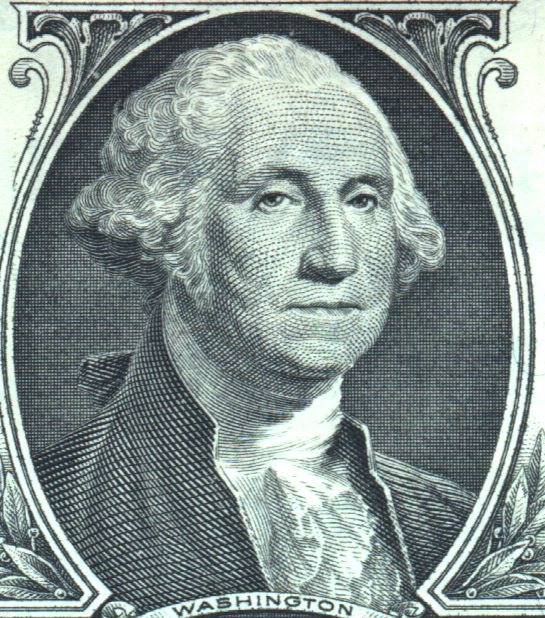
George Washington (1732–1799) commanded the American Revolutionary War (1775–1783), and was the first president of the United States, from 1789 to 1797. In terms of personality, leading Washington biographer Douglas Southall Freeman concluded, "the great big thing stamped across that man is character." By character, says David Hackett Fischer, "Freeman meant integrity, self-discipline, courage, absolute honesty, resolve, and decision, but also forbearance, decency, and respect for others." Because of his central role in the founding of the United States, Washington is often called the "Father of his Country". His devotion to republicanism and civic virtue made him an exemplary figure among American politicians. His image has become an icon and is commonplace in American culture.
Congressman Henry "Light Horse Harry" Lee, a Revolutionary War comrade and father of the Confederate general Robert E. Lee, famously eulogized Washington as:
First in war, first in peace, and first in the hearts of his countrymen, he was second to none in humble and enduring scenes of private life. Pious, just, humane, temperate, and sincere; uniform, dignified, and commanding; his example was as edifying to all around him as were the effects of that example lasting. ... Correct throughout, vice shuddered in his presence and virtue always felt his fostering hand. The purity of his private character gave effulgence to his public virtues. ... Such was the man for whom our nation mourns.
Lee's words set the standard by which Washington's overwhelming reputation was impressed upon the American memory. Washington set many precedents for the national government and the presidency in particular. In 1951 the unwritten two-term limit set by Washington would become the Twenty-second Amendment to the United States Constitution. He also set constitutional precedent by being the first president to use the Presidential Veto.
As early as 1778 he was lauded as the "Father of His Country" and is often considered to be the most important of Founding Fathers of the United States. He has gained fame around the world as a quintessential example of a benevolent national founder. As Gordon Wood concludes, the greatest act in his life was his resignation as commander of the armies—an act that stunned aristocratic Europe. According to painter Benjamin West (as recorded in the diaries of his colleague Joseph Farington):
West told me that [in 1781]....The King began to talk about America. He asked West what would Washington do were America to be declared independent. West said he believed [Washington] would retire to a private situation.—The King said if he did he would be the greatest man in the world.
Washington was long considered not just a military and revolutionary hero, but a man of great personal integrity, with a deeply held sense of duty, honor and patriotism. He was upheld as a shining example in schoolbooks and lessons: as courageous and farsighted, holding the Continental Army together through eight hard years of war and numerous privations, sometimes by sheer force of will; and as restrained: at war's end taking affront at the notion he should be King; and after two terms as president, stepping aside.
In 1790, Washington's close friend Benjamin Franklin died. In Franklin's will, he bequeathed Washington his walking cane, which Franklin received while serving as ambassador to France during the 1780s. Franklin spoke highly of Washington, even as a king, in his will:
Hub AI
Legacy of George Washington AI simulator
(@Legacy of George Washington_simulator)
Legacy of George Washington
George Washington (1732–1799) commanded the American Revolutionary War (1775–1783), and was the first president of the United States, from 1789 to 1797. In terms of personality, leading Washington biographer Douglas Southall Freeman concluded, "the great big thing stamped across that man is character." By character, says David Hackett Fischer, "Freeman meant integrity, self-discipline, courage, absolute honesty, resolve, and decision, but also forbearance, decency, and respect for others." Because of his central role in the founding of the United States, Washington is often called the "Father of his Country". His devotion to republicanism and civic virtue made him an exemplary figure among American politicians. His image has become an icon and is commonplace in American culture.
Congressman Henry "Light Horse Harry" Lee, a Revolutionary War comrade and father of the Confederate general Robert E. Lee, famously eulogized Washington as:
First in war, first in peace, and first in the hearts of his countrymen, he was second to none in humble and enduring scenes of private life. Pious, just, humane, temperate, and sincere; uniform, dignified, and commanding; his example was as edifying to all around him as were the effects of that example lasting. ... Correct throughout, vice shuddered in his presence and virtue always felt his fostering hand. The purity of his private character gave effulgence to his public virtues. ... Such was the man for whom our nation mourns.
Lee's words set the standard by which Washington's overwhelming reputation was impressed upon the American memory. Washington set many precedents for the national government and the presidency in particular. In 1951 the unwritten two-term limit set by Washington would become the Twenty-second Amendment to the United States Constitution. He also set constitutional precedent by being the first president to use the Presidential Veto.
As early as 1778 he was lauded as the "Father of His Country" and is often considered to be the most important of Founding Fathers of the United States. He has gained fame around the world as a quintessential example of a benevolent national founder. As Gordon Wood concludes, the greatest act in his life was his resignation as commander of the armies—an act that stunned aristocratic Europe. According to painter Benjamin West (as recorded in the diaries of his colleague Joseph Farington):
West told me that [in 1781]....The King began to talk about America. He asked West what would Washington do were America to be declared independent. West said he believed [Washington] would retire to a private situation.—The King said if he did he would be the greatest man in the world.
Washington was long considered not just a military and revolutionary hero, but a man of great personal integrity, with a deeply held sense of duty, honor and patriotism. He was upheld as a shining example in schoolbooks and lessons: as courageous and farsighted, holding the Continental Army together through eight hard years of war and numerous privations, sometimes by sheer force of will; and as restrained: at war's end taking affront at the notion he should be King; and after two terms as president, stepping aside.
In 1790, Washington's close friend Benjamin Franklin died. In Franklin's will, he bequeathed Washington his walking cane, which Franklin received while serving as ambassador to France during the 1780s. Franklin spoke highly of Washington, even as a king, in his will:
Recent media