



Community hub
Recent from talks
Knowledge base stats:
Talk channels stats:
Members stats:
Lester James Peries
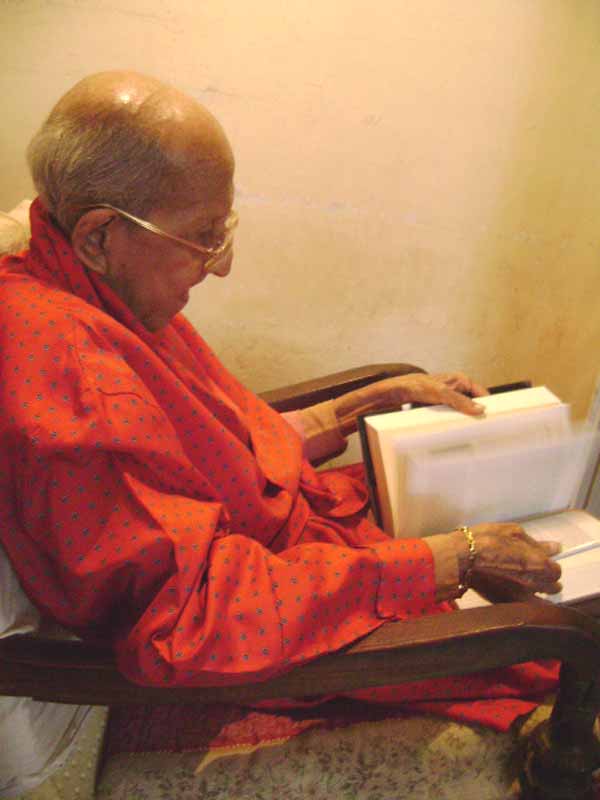
Sri Lankabhimanya Lester James Peries (Sinhala: ශ්රී ලංකාභිමාන්ය ලෙස්ටර් ජේම්ස් පීරිස්; 5 April 1919 – 29 April 2018) was a Sri Lankan film director, screenwriter, and film producer. Considered as the father of Sri Lankan cinema, Lester worked as a filmmaker from 1949 to 2006, and was involved in over 28 films, including shorts and documentaries.
He received critical acclaim for directing Rekava, Gamperaliya, Nidhanaya, Golu Hadawatha, Kaliyugaya, Awaragira and Yuganthaya. His movie Wekande Walauwa, starring Ravindra Randeniya and Malini Fonseka, was Sri Lanka's first ever submission for the Academy Awards and the film Nidhanaya was included among the top 100 films of the century by the Cinémathèque Française. Peries' films often deal with Sri Lankan family life in rural settings and conflicted characters. He helped create an authentic expression of Sinhala Cinema.
Lester James Peries was born on 5 April 1919 in Dehiwela, Colombo, Ceylon. His father, Dr. James Francis Peries, studied medicine in Scotland and was also a cricketer for a Scottish club. His mother, Ann Gertrude Winifred Jayasuria, was the first graduate of St. Bridget's Convent, Colombo. Peries had three siblings: Erica, Ivan and Noel.
The Peries family was a staunch Roman Catholic family that had become Anglicised. Growing up, Peries only spoke English at home and celebrated Christian traditions. His only link to Sinhala culture was his grandmother who always didn't trust Western medicine and spoke proper Sinhalese. At the age of eleven, Peries was given a 8mm Kodascope projector by his father as a gift, which ran Chaplin's silent movies. At that time, his only interest in films was when he and his brother Ivan would haunt the cinema to watch foreign film serials which ran day after day. Peries was never involved in school drama productions, and had no idea he was going to be a film director especially since British Ceylon did not have its own national film industry at that time.
He attended St Peter's College, one of the Catholic schools in Colombo, as a teenager before dropping out to pursue a career in journalism at the age of 17. He found his first work with the Daily News writing for the blue pages which was an arts supplementation. In 1939 he joined The Times of Ceylon working under Indian editor Frank Moraes. He also reviewed books on Radio Ceylon for a short period.
Peries' first real work with production came when he joined a theatre group called Drama Circle. This was a group of like minded individuals which regularly produced modern English plays. Here Peries was engaged in all aspects of the productions other than acting.
In 1947, Peries travelled to England on his mother's advice to join his brother Ivan Peries who was there on an art scholarship. Moreas suggested writing a column from the country to be published in The Times which became "Letter on the Arts from England."
During that time, film-making was taking off in the UK with about 400 amateur film clubs around the country. In addition, Peries' passion for the cinema was developing and he met another Sri Lankan with similar interests, Hereward Jansz. The two youngsters decided to make a film together despite Hereward having his doubts about competing with established, well-funded clubs. They began with Peries writing the script and directing while Hereward did the filming with their limited camera equipment. Their first effort 'Soliloquy' (1949), a short film, won the Mini Cinema Cup for displaying the best technical proficiency. This work was followed by three other experimental films.
Hub AI
Lester James Peries AI simulator
(@Lester James Peries_simulator)
Lester James Peries
Sri Lankabhimanya Lester James Peries (Sinhala: ශ්රී ලංකාභිමාන්ය ලෙස්ටර් ජේම්ස් පීරිස්; 5 April 1919 – 29 April 2018) was a Sri Lankan film director, screenwriter, and film producer. Considered as the father of Sri Lankan cinema, Lester worked as a filmmaker from 1949 to 2006, and was involved in over 28 films, including shorts and documentaries.
He received critical acclaim for directing Rekava, Gamperaliya, Nidhanaya, Golu Hadawatha, Kaliyugaya, Awaragira and Yuganthaya. His movie Wekande Walauwa, starring Ravindra Randeniya and Malini Fonseka, was Sri Lanka's first ever submission for the Academy Awards and the film Nidhanaya was included among the top 100 films of the century by the Cinémathèque Française. Peries' films often deal with Sri Lankan family life in rural settings and conflicted characters. He helped create an authentic expression of Sinhala Cinema.
Lester James Peries was born on 5 April 1919 in Dehiwela, Colombo, Ceylon. His father, Dr. James Francis Peries, studied medicine in Scotland and was also a cricketer for a Scottish club. His mother, Ann Gertrude Winifred Jayasuria, was the first graduate of St. Bridget's Convent, Colombo. Peries had three siblings: Erica, Ivan and Noel.
The Peries family was a staunch Roman Catholic family that had become Anglicised. Growing up, Peries only spoke English at home and celebrated Christian traditions. His only link to Sinhala culture was his grandmother who always didn't trust Western medicine and spoke proper Sinhalese. At the age of eleven, Peries was given a 8mm Kodascope projector by his father as a gift, which ran Chaplin's silent movies. At that time, his only interest in films was when he and his brother Ivan would haunt the cinema to watch foreign film serials which ran day after day. Peries was never involved in school drama productions, and had no idea he was going to be a film director especially since British Ceylon did not have its own national film industry at that time.
He attended St Peter's College, one of the Catholic schools in Colombo, as a teenager before dropping out to pursue a career in journalism at the age of 17. He found his first work with the Daily News writing for the blue pages which was an arts supplementation. In 1939 he joined The Times of Ceylon working under Indian editor Frank Moraes. He also reviewed books on Radio Ceylon for a short period.
Peries' first real work with production came when he joined a theatre group called Drama Circle. This was a group of like minded individuals which regularly produced modern English plays. Here Peries was engaged in all aspects of the productions other than acting.
In 1947, Peries travelled to England on his mother's advice to join his brother Ivan Peries who was there on an art scholarship. Moreas suggested writing a column from the country to be published in The Times which became "Letter on the Arts from England."
During that time, film-making was taking off in the UK with about 400 amateur film clubs around the country. In addition, Peries' passion for the cinema was developing and he met another Sri Lankan with similar interests, Hereward Jansz. The two youngsters decided to make a film together despite Hereward having his doubts about competing with established, well-funded clubs. They began with Peries writing the script and directing while Hereward did the filming with their limited camera equipment. Their first effort 'Soliloquy' (1949), a short film, won the Mini Cinema Cup for displaying the best technical proficiency. This work was followed by three other experimental films.